


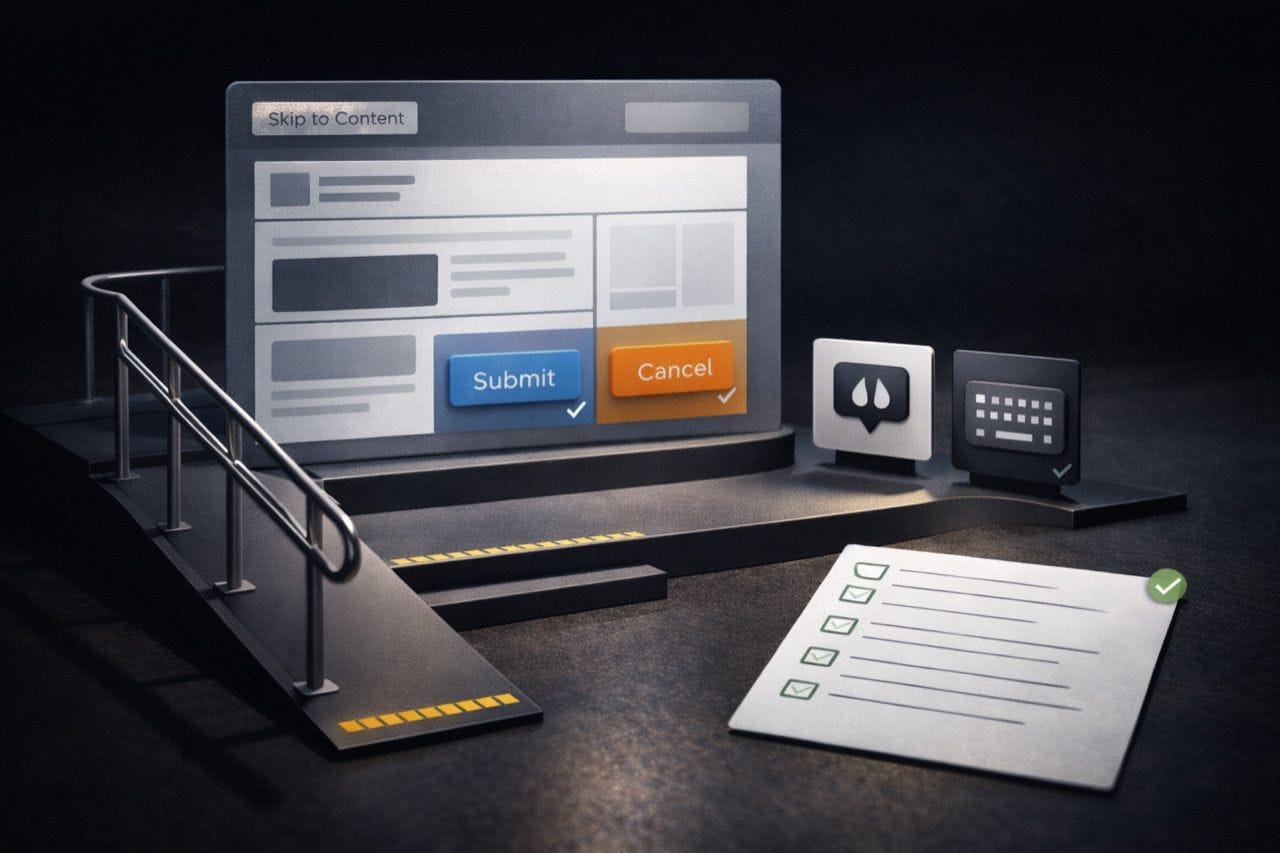
Accessibility is no longer optional for modern websites. Startups and established companies alike must ensure that their sites can be navigated by all users, including those with disabilities. Beyond regulatory compliance, accessibility reflects a brand’s commitment to inclusivity, professionalism, and social responsibility. Visitors notice when a site is difficult to use, and negative experiences can erode trust even before engagement begins.
New websites present a prime opportunity to integrate accessibility from the ground up. Addressing ADA compliance early avoids costly retrofits, enhances usability for everyone, and demonstrates that the company values all users equally. Accessibility can also improve SEO performance, as structured, well-labeled content and clean coding practices benefit search engine crawling. Companies that integrate accessibility thoughtfully signal expertise, reliability, and attention to detail, all qualities that are immediately visible to prospective clients and partners.
Key Features of an ADA-Compliant Website
Implementing ADA compliance involves more than adding a single plugin or label. Effective accessibility requires attention to multiple elements across content, design, and functionality.
- Keyboard Navigation: All interactive elements must be accessible without a mouse, including forms, menus, and links.
- Alt Text for Images: Every image should have descriptive alt text to convey meaning to screen readers.
- Color Contrast and Readability: Text and background contrast must meet accessibility standards, ensuring legibility.
- Captions and Transcripts: Videos and audio content require captions and transcripts for users with hearing impairments.
- ARIA Landmarks and Labels: Proper coding ensures assistive technologies can interpret page structure correctly.
These features collectively make a site navigable and understandable to a wider audience. Beyond compliance, they contribute to a smoother, more intuitive experience for all users. Integrating these features from the beginning avoids frustration and ensures that accessibility is not an afterthought but an embedded part of the site’s design philosophy.
Design Practices That Support Accessibility
Accessibility-friendly design goes beyond technical compliance. It focuses on clarity, simplicity, and usability for diverse user groups.
A clean layout with intuitive navigation and consistent structure helps users locate information quickly. Clear headings, well-spaced content, and consistent button styling guide users through tasks efficiently. Thoughtful typography, appropriate font sizes, and spacing improve readability and reduce cognitive load.
- Responsive Design: Ensures all content adapts properly to various devices and screen sizes.
- Consistent Layouts: Familiar structure across pages prevents confusion and enhances usability.
- Readable Typography: Font choices should be legible and scalable, supporting users with visual impairments.
By applying these principles, websites communicate professionalism and attentiveness to user needs. A site that is visually and functionally accessible not only meets legal standards but also conveys trustworthiness and care, reinforcing the brand’s reputation.
Tools and Testing for Ongoing Compliance
Maintaining accessibility requires monitoring and iteration. Tools and regular testing help ensure the site continues to meet evolving standards.
- Automated Checkers: Tools like WAVE or Axe identify accessibility gaps efficiently.
- Manual Testing: Screen readers and keyboard-only navigation tests uncover real-world usability issues.
- Regular Updates: Content, plugins, and code must be reviewed periodically to maintain compliance.
In addition to technical verification, gathering feedback from users with disabilities provides practical insights into usability. Continuous evaluation ensures that accessibility features are functional, effective, and aligned with user needs. Ankord Media can assist with both implementation and ongoing audits, ensuring your website remains inclusive, compliant, and professional over time.
Closing Thoughts on Accessibility for New Sites
Prioritizing ADA compliance signals respect for all users and strengthens a site’s credibility. Incorporating accessibility from the start is more efficient, reduces long-term costs, and avoids legal risks. Thoughtful design and functionality elevate the user experience for everyone, beyond only those with disabilities.
Partnering with experts like Ankord Media ensures that accessibility is integrated strategically. Their guidance allows teams to balance compliance with elegant design, creating a website that is both visually appealing and universally usable. By investing in accessibility, businesses demonstrate leadership, social responsibility, and attention to detail, all of which leave a lasting impression on visitors and applicants alike.