


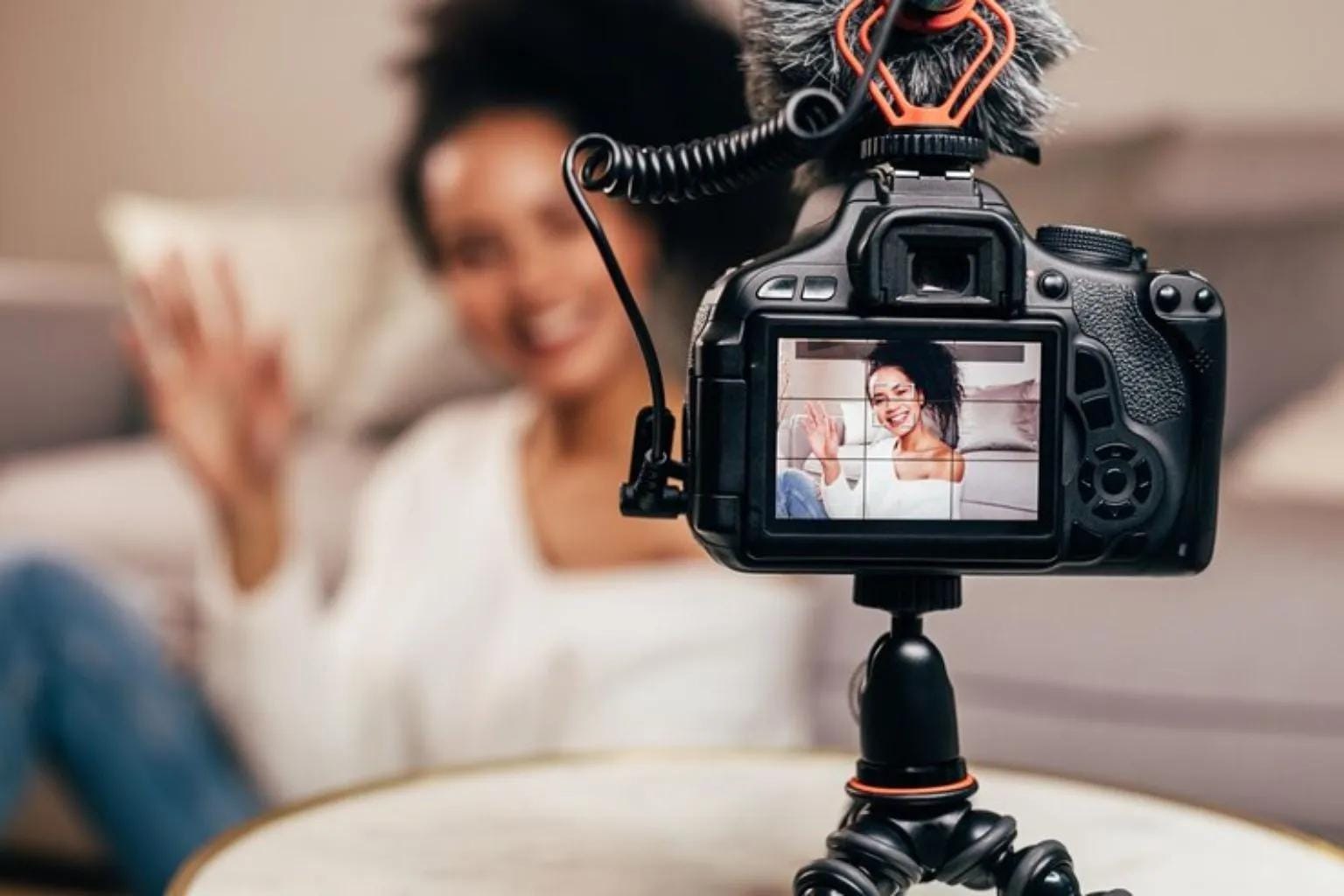
Walk into any marketing planning meeting today, and you’ll hear someone propose a “video-first” push. Not out of hype, but because audiences scroll, tap, and swipe, and they stop for motion, sound, and real voices. Smart brands now rely on marketing video services as a key lever not just for visibility, but for conversion. You may already know video helps. But how exactly do you structure a video strategy that converts rather than just collects views?
This guide lays out how brands are using video to convert: with clarity, flexibility, and real-world strategy.
Why Marketing Video Services Matter More Than Ever
Video delivers high returns backed by data
- According to a 2025 survey, 92% of video marketers believe video will play a crucial role over the coming years. 90% say video marketing created good ROI.
- Brands that use video report higher conversions, better engagement, and more website traffic.
- In terms of consumer behavior, 84–89% of consumers say brand videos convinced them to purchase or learn more about a product/service.
Clearly, video isn’t a sideline; it’s central.
Video builds trust and understanding more effectively than text or images
When a brand shows a product, demonstrates a service, or even tells a story with voice, movement, or emotion, that’s something static images or paragraphs rarely achieve. Video helps audiences “see” and “feel” what a brand offers. That clarity builds trust, shortens decision cycles, and lowers friction.
Flexibility from quick social clips to long-form explainers
Marketing video services can produce a spectrum: short social videos, explainer clips, product demos, testimonials, and even social ads. That flexibility means video content can support nearly every stage of your marketing funnel: awareness, consideration, conversion, retention.
Building a Video Marketing Strategy That Converts
Clarify your goal: awareness, education, conversion, retention
Before you shoot anything: ask what you need the video to achieve. Are you building brand awareness? Explaining a product? Or closing sales? Each requires different formats, tone, and distribution.
Match video type to audience & platform
Younger audiences or mobile-first viewers → go short-form social clips (TikTok, Reels, Shorts).
More polished, serious business offerings → consider corporate videos, product demos, explainer videos for website or email.
B2B audiences might favor LinkedIn or longer-form explainers, whereas B2C might respond better to short, emotional, fast content.
Plan resources realistically: budget, talent, frequency, and format mix
Not every brand needs a Hollywood production. A balanced mix (short-form social + occasional polished explainer + testimonial) often works best. Use in-house when you can (for quick content), outsource for higher-impact or complicated projects, or combine both.
Optimize for mobile & accessibility.
Many users watch videos on phones, often muted. Captions, concise messaging, and punchy visuals matter. Video length tends to be most effective under 2 minutes for social; 3–5 minutes for deeper explainers or demos.
Measure everything and define KPIs upfront.
Track engagement: watch time, click-through, conversions, bounce/dwell time, and leads. That way, you know what works. Videos can do many things, but you won’t know their value unless you measure.
What’s Holding Some Brands Back (and How to Overcome It)
- They underestimate cost or overestimate complexity. Many think you need expensive equipment or long shoots. But with modern tools and smart planning, you can mix high-end and DIY. Use short-form, in-house clips for frequent content, and outsource only major projects.
- They treat video as a one-off tactic instead of a strategic channel. Video isn’t a magic bullet. It needs consistency, a clear plan: what to produce, when, for whom, and why, plus distribution and measurement.
- They ignore platform-specific audience behavior. A video that works on YouTube might flop on Instagram. Understand platform constraints (length, format, sound) and user habits.
- They don’t optimize for mobile or accessibility. Skipping captions or ignoring mobile viewership is a missed opportunity. Many consumers watch silently on phones; captioning and visual clarity matter.
Turn Your Videos into a Brand Story That Actually Works
Outsourcing video production? Pause for a second. You could hire someone to just “shoot video,” but does that really move the needle? A strong partner should handle more than the lens; they should understand the entire funnel. Think strategy, platform-specific distribution, and performance tracking. Not just clips, but measurable impact. Video, in this sense, becomes a thread in your brand’s larger narrative, not a one-off distraction.
Take Action: Partner with a full-service video agency and make every piece count.
How Different Brands Should Approach Video
Startups and Small Businesses:
Short-form social clips often suffice. Add the occasional explainer or testimonial. Low-cost tools paired with minimal edits can still create a meaningful presence. Focus on consistency rather than perfection.
Growing or Mid-Sized Businesses:
Here, mix short-form content with polished demos, testimonials, and website videos. Treat video as a core part of your marketing stack. Start measuring impact, iterating, and adjusting content for your audience.
Large Brands / Enterprise:
Now it’s about scale. Maintain a robust video pipeline, produce frequent social content, and ensure storytelling aligns across channels. Segment content for audience, platform, or campaign. Track performance, analyze data, and refine continuously.
Conclusion
Video isn’t optional. People scroll fast, skim text, and ignore clutter. Your content needs to do more than show a product. It has to tell a story, create trust, maybe even teach something useful.
If your team is small, start with one simple clip or demo.
Big ambitions? Treat video as a proper channel. Plan campaigns, measure carefully, adjust, repeat.
The world is full of noise, motion, sound, and visuals everywhere. Video still cuts through, but only if it’s purposeful. So, the real question isn’t whether to make videos. It’s whether your audience will actually notice yours.