


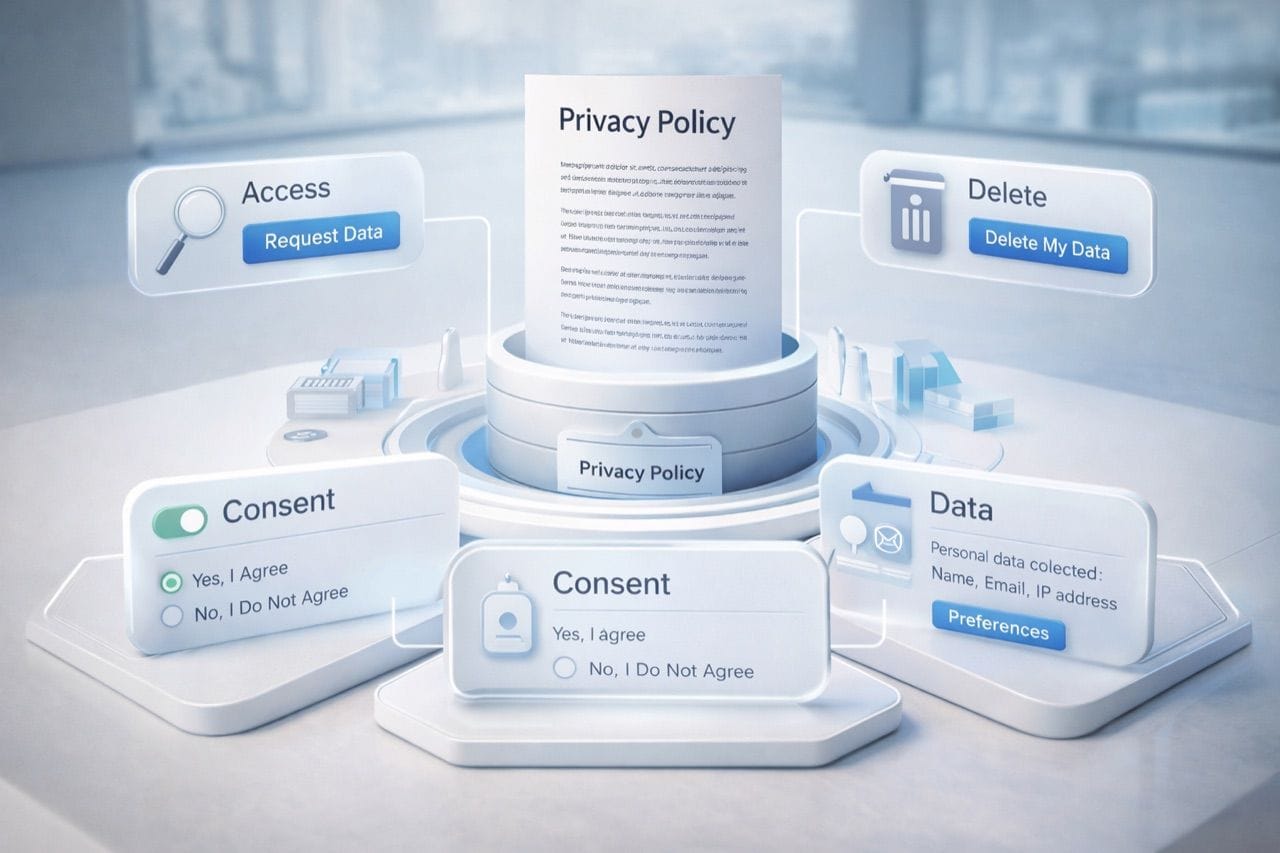
Privacy policies are no longer simple standard website disclaimers. The General Data Protection Regulation (GDPR) imposes specific requirements for any organization that collects or processes the personal data of EU residents. Failing to comply can result in fines, operational disruption, and loss of customer trust.
A GDPR-compliant privacy policy is more than a legal formality. It is a tool for transparency and accountability, signaling to users that their data is handled responsibly. Companies that approach privacy strategically gain credibility and differentiate themselves in increasingly data-conscious markets.
Many businesses underestimate the complexity of GDPR compliance. Policies that are generic, unclear, or outdated can expose organizations to unnecessary risk. Creating a comprehensive, user-friendly privacy policy requires collaboration between legal, technical, and communications teams.
Key Components of a GDPR Privacy Policy
Before drafting or updating a policy, it’s essential to understand what information must be included. This ensures the document is both legally sound and meaningful to users.
- Data Collection Practices: Describe what personal data is collected and why.
- Legal Basis for Processing: Explain the justification for handling user data under GDPR.
- User Rights: Outline rights to access, correct, erase, or restrict data.
- Data Sharing: Identify third parties who may process or receive data.
- Data Retention: State how long data is stored and criteria for deletion.
Including these elements makes your privacy policy clear and actionable. A policy that is too vague may satisfy no one as users feel uncertain about their rights and regulators can see gaps in compliance. Ankord Media helps businesses structure these policies so they are understandable, legally defensible, and integrated with broader privacy and accessibility strategies.
A privacy policy should also be updated regularly. As your services, partnerships, or technology stack evolve, policies must reflect current practices. Maintaining alignment ensures that both user trust and regulatory compliance remain intact.
Common Mistakes Companies Make With GDPR Policies
Many businesses think a simple template or copy-paste from another site is enough. In practice, this approach creates gaps and inconsistencies that regulators can flag.
- Generic Templates: Policies that do not reflect actual practices fail to meet GDPR requirements.
- Overly Legalistic Language: Users must understand their rights without being lost in legal jargon.
- Neglecting Multi-Language Needs: Companies targeting EU residents should offer policies in relevant languages.
These mistakes not only jeopardize compliance but also undermine credibility with customers. Ensuring accessibility, clarity, and specificity can prevent misunderstandings and reduce the risk of enforcement actions. Organizations that prioritize transparency in privacy reporting are more likely to foster user confidence and long-term engagement.
How to Implement and Communicate Your Policy Effectively
A GDPR privacy policy is only useful if users can find, understand, and act on it. Placement, design, and clarity are as important as legal accuracy.
Consider integrating your policy into onboarding processes, consent forms, and account settings. Provide links in the website footer, in marketing emails, and anywhere personal data is requested. Transparency also means responding promptly to user inquiries and honoring requests to access or erase data.
- User-Friendly Formats: Use bullet points, headings, and plain language.
- Visible Access Points: Make the policy reachable from multiple touchpoints.
- Training Internal Teams: Ensure employees understand policy obligations and can answer user questions.
Strategically communicated policies enhance both compliance and user trust. When individuals feel confident that their data is protected, they are more likely to engage with your brand. Investing in communication and accessibility reflects a proactive stance toward regulatory obligations and customer relationships.
Long-Term Benefits of a GDPR Privacy Policy
Beyond avoiding fines, an effective privacy policy builds operational resilience. It clarifies internal processes, informs third-party agreements, and supports audits. A clear, structured policy can also guide product development, marketing, and customer service decisions, embedding privacy considerations into the organization’s culture.
Incorporating expert guidance ensures that policies remain current, accurate, and integrated across departments. Ankord Media works with businesses to develop frameworks that continuously adapt to regulatory updates, maintaining both compliance and user confidence.
A thoughtful privacy policy is a tangible demonstration of a company’s commitment to ethical data practices. It strengthens reputation, supports investor confidence, and differentiates a business in competitive markets increasingly focused on transparency and accountability.