


- Introduction
- Quick Answer
- 1. Identify what type of editing you are actually buying
- 2. Lock the manuscript stage before you pay for editing
- 3. Make one clean master document, not a folder of versions
- 4. Stabilize structure so the editor is not fixing architecture mid-pass
- 5. Do a fast repetition and bloat cleanup
- 6. Standardize voice and point of view choices
- 7. Create a style sheet that prevents expensive back-and-forth
- 8. Clean up formatting so the editor can focus on content
- 9. Verify your facts and flag what is sensitive
- 10. Prepare an editor brief so they know what “good” means
- 11. Decide how feedback will work so the project does not stall
- 12. A simple pre-editor checklist you can run in one weekend
- Final Tips
Introduction
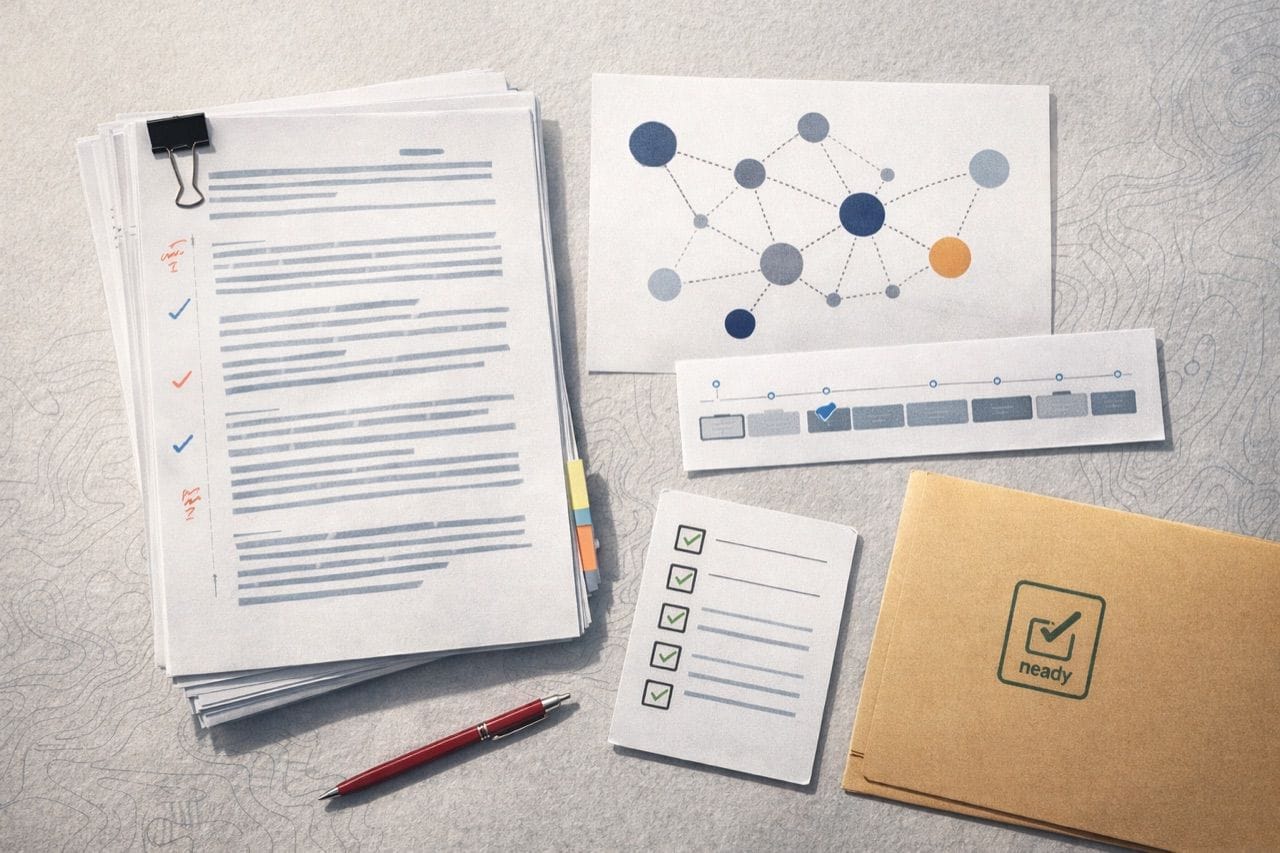
Editing goes faster and costs less when your manuscript is clean, consistent, and structurally stable before an editor touches it. Bay Area authors often skip preparation because they are busy, then pay for an editor to solve problems that should have been solved earlier. This guide shows exactly how to prep your manuscript so an editor can focus on high-value improvements instead of basic cleanup.
Quick Answer
Before working with an editor, Bay Area authors should stabilize the structure, align the manuscript to one clear promise, and clean up consistency issues that slow editing down. Prepare a single source-of-truth document, remove obvious repetition, standardize formatting, and write a short brief that defines voice, audience, and goals. If your book still needs major chapter reordering or the argument is drifting, fix that first or start with a developmental edit instead of line editing.
1. Identify what type of editing you are actually buying
Most editing frustration comes from buying the wrong level of edit.
Common editing types:
- Developmental editing: structure, argument, chapter order, missing logic, overlap.
- Line editing: clarity, flow, voice consistency, sentence-level strength.
- Copyediting: grammar, consistency, style, and mechanics.
- Proofreading: final correctness pass after layout.
Preparation depends on which type you are hiring:
- For developmental editing, you want your best current draft, plus notes on goals and gaps.
- For line editing, you want stable structure and a complete draft.
- For copyediting, you want a final manuscript that will not change much.
- For proofreading, you want the near-final file after design, not a draft.
2. Lock the manuscript stage before you pay for editing
Editors cannot hit a moving target. Choose one stage and commit.
You are ready to send a manuscript when:
- The beginning, middle, and end exist in a complete draft
- Chapters are in the order you intend, even if they need refining
- You are done adding new major sections for now
- You can commit to responding to edits on a schedule
If you are still writing new chapters weekly, pause and finish drafting first.
3. Make one clean master document, not a folder of versions
Bay Area teams love docs. Editors hate version chaos.
Create:
- One master manuscript file
- One folder for reference materials
- One changelog note if multiple people have touched the draft
Rules:
- Stop emailing multiple versions
- Do not mix Google Docs and Word without agreement
- Turn off suggestion mode history overload if it is messy
- Use consistent file naming if your editor requires it
Your editor needs a single source of truth.
4. Stabilize structure so the editor is not fixing architecture mid-pass
Even if you are not hiring developmental editing, you should do a basic structure pass.
Do these checks:
- Every chapter has one primary job
- No two chapters repeat the same point in different words
- Your thesis is consistent across the manuscript
- The introduction sets up what the book will deliver
- The conclusion matches the promise and gives closure
If you keep saying “I might move this chapter later,” you are not ready for line editing yet.
5. Do a fast repetition and bloat cleanup
You do not need perfect prose, but you should remove obvious waste.
Scan for:
- repeated stories told twice
- the same framework explained in three places
- long preambles before getting to the point
- filler phrases that add no meaning
- overuse of buzzwords that reduce credibility
A simple tactic: highlight your top five repeated terms and see if you are leaning on them instead of explaining clearly.
6. Standardize voice and point of view choices
Editors can polish, but they cannot guess your intended voice.
Decide:
- First person or third person
- Conversational or formal tone
- How much opinion is appropriate
- How you handle humor, if any
Then fix obvious inconsistencies:
- switching between “we” and “I” without reason
- mixing casual slang with academic tone
- inconsistent tense
This gives the editor a stable target.
7. Create a style sheet that prevents expensive back-and-forth
A style sheet is a simple list of decisions. It saves hours.
Include:
- spelling style (US or UK)
- capitalization rules for key terms
- product names and how to write them
- acronyms and what they stand for
- preferred terminology and words to avoid
- number formatting and date formatting
If you have a company style guide, you can adapt it, but keep it short and book-focused.
8. Clean up formatting so the editor can focus on content
Formatting chaos adds cost because it slows reading and markup.
Basic cleanup:
- consistent headings and subheadings
- consistent paragraph spacing
- consistent quotation style
- remove double spaces
- remove manual line breaks used for layout
- ensure lists are formatted consistently
Do not over-format the book. Keep it readable and simple.
9. Verify your facts and flag what is sensitive
Editors are not your legal or compliance team. In tech, facts and confidentiality matter.
Do a pre-edit pass:
- verify dates, names, titles, and basic claims
- flag anything that could be confidential
- anonymize stories where necessary
- mark areas where you need to change details later
If your book includes startup stories, assume anything could be searchable and attributable unless you protect it.
10. Prepare an editor brief so they know what “good” means
This is one page that saves you weeks.
Include:
- the target reader
- the reader promise in one sentence
- the thesis in one sentence
- what tone you want
- what books you want it to resemble in feel
- what you are most worried about
- what success looks like after editing
Editors work better when they know your priorities.
11. Decide how feedback will work so the project does not stall
A lot of edits fail because collaboration is unclear.
Decide:
- who approves changes if multiple stakeholders exist
- how you will respond to queries
- what the turnaround time is for each round
- whether you want edits as tracked changes or comments
- whether you want a live review call after each round
This is especially important for Bay Area founders who are juggling schedules.
12. A simple pre-editor checklist you can run in one weekend
If you want a minimal plan, run this.
Saturday:
- merge everything into one master file
- run a structure scan on chapter jobs and overlap
- remove obvious repetition and bloat
- standardize voice choices
Sunday:
- clean formatting and headings
- draft the style sheet
- verify key facts and flag sensitive areas
- write the one-page editor brief
When this is done, your editor will spend time improving the book, not cleaning up chaos.
Final Tips
Treat manuscript preparation like an investment that protects your editing budget. Stabilize structure first, then clean consistency, formatting, and voice, and send an editor brief that defines the reader, promise, and priorities. When you deliver a clean master document with clear expectations, your editor can move faster and your book gets better in fewer rounds.