


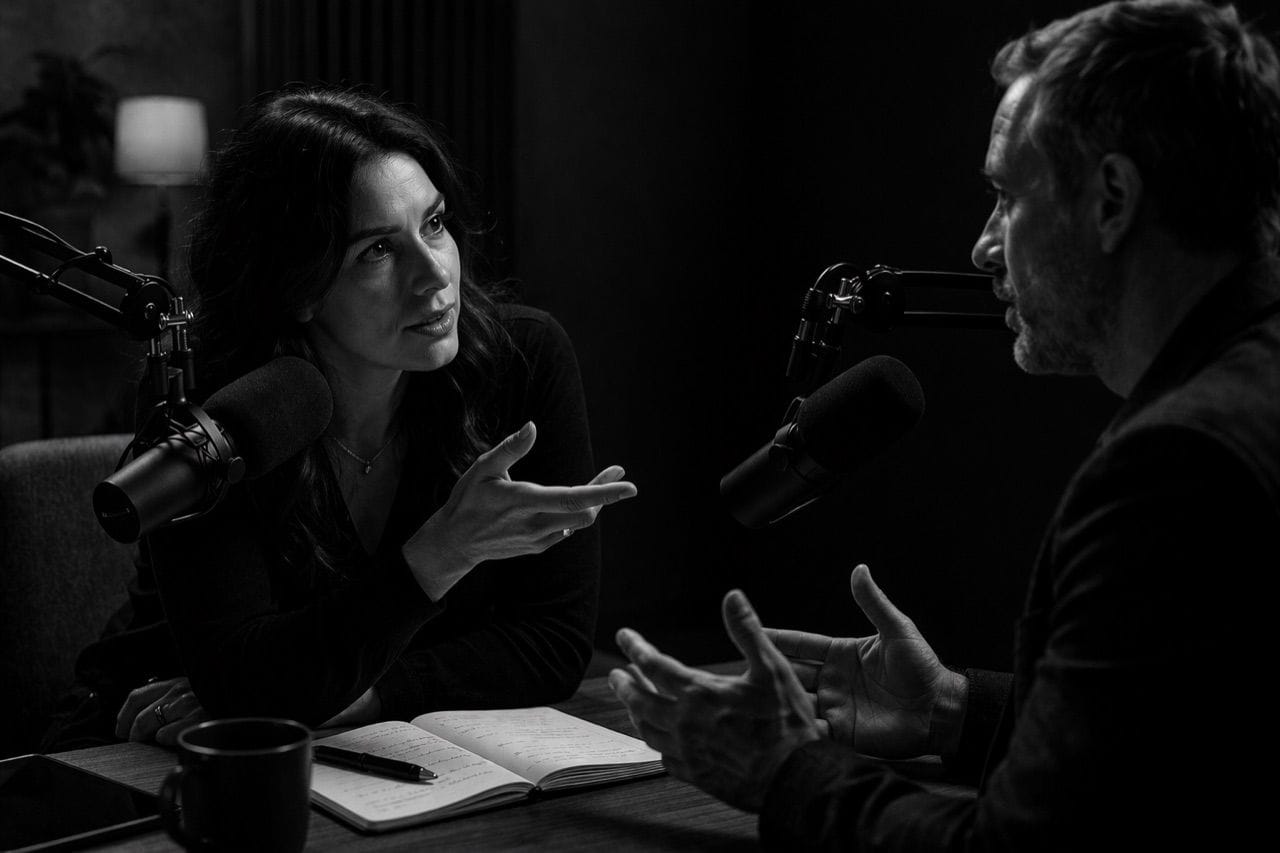
A strong interview is one of the most powerful tools a podcaster can develop. While many shows focus on technical setups, editing workflows, or promotion strategies, engagement begins with the host’s presence and curiosity. When the host is fully attentive, listeners notice. They feel the energy of a real conversation rather than a scripted Q&A. This distinction turns ordinary interviews into memorable experiences that keep audiences returning.
Engagement is not about speaking quickly or asking flashy questions. It emerges from thoughtful preparation, active listening, and the ability to create a comfortable space for guests. Listeners are drawn to authenticity, subtle moments, and insightful follow-ups that reveal the depth of a guest’s perspective. Podcasts that excel in these areas become trusted spaces for storytelling and ideas.
This guide explores the skill set behind great interviews and provides actionable techniques. Podcasting success relies on preparation, listening, emotional intelligence, and conversation flow. With the right approach, every interview becomes an opportunity to captivate, educate, and inspire your audience.
Preparing Your Guest for a Strong Interview
Preparation begins long before the guest sits down. Understanding their background, recent work, and motivations allows the host to ask questions that resonate. This is about seeing patterns and crafting a narrative that feels natural.
Creating a safe, comfortable environment is equally important. Guests speak more openly when they know what to expect. Setting expectations for tone, structure, and key topics builds confidence and encourages authenticity. Even experienced guests appreciate this clarity because it allows them to focus on substance rather than nerves.
Consider these steps to prepare your guest effectively:
- Send a thoughtful pre-interview note highlighting what excites you about their work and how you plan to explore it
- Provide a brief rundown of the episode structure so they understand pacing and style
- Ask if there are specific stories or topics they want to emphasize
- Offer sample questions to convey tone without revealing every direction you might take
After preparation, the conversation flows more naturally. Guests arrive ready to engage, which sets the tone for a dynamic episode. Ankord Media helps its podcasters use structured prep templates to ensure consistency while preserving spontaneity.
Active Listening Techniques That Elevate Engagement
Active listening is rare yet transformative. Many hosts focus on their next question rather than the guest’s current answer. True listening allows the conversation to evolve organically, often revealing insights that scripted questions would never uncover.
When a host listens attentively, guests feel seen and heard. Subtle cues such as tone shifts, pauses, word choices signal that the host is present. Following up thoughtfully encourages deeper storytelling, which keeps listeners invested.
Here are varied techniques to practice active listening:
- Notice emotional shifts in the guest’s voice and invite them to expand on these moments
- Repeat a compelling phrase the guest used and ask them to elaborate
- Use silence strategically to allow reflection
- Pose depth-oriented questions when the guest hints at meaningful experiences
- Redirect gently when the conversation strays from the core topic
These methods build intimacy, draw out rich content, and help hosts develop a signature interviewing style.
Maintaining Flow and Momentum
Flow is the invisible thread connecting each segment of a conversation. It’s about guiding guests smoothly from one idea to the next. Abrupt transitions or repetitive questions can disengage listeners.
Effective flow depends on both content and emotional pacing. Mix light, reflective, and intense moments to mirror real-life conversation. Observing skilled journalists, speakers, and storytellers can teach hosts how to maintain a rhythm that captivates audiences.
Consider using this sequential-but-not-numbered approach to maintain flow:
- Introduce the topic and provide context
- Ask exploratory questions that allow the guest to share experiences
- Follow with reflective questions to deepen insights
- Close each segment with a synthesis or takeaway
This sequence is flexible and ensures listeners stay engaged without feeling like the conversation is forced.
Creating Memorable Moments
Engaging interviews are punctuated by standout moments that resonate long after the episode ends. These often occur when hosts ask nuanced, reflective questions, allowing guests to reveal unexpected insights. Overplanning or rigid adherence to a question list stifles spontaneity and reduces impact.
Use the “contrast list” style to craft memorable moments:
- Typical guest answer → Follow-up that challenges or reframes it → Unexpected insight emerges
- Surface-level explanation → Prompt for story or example → Emotional or intellectual revelation
- General statement → Ask for personal anecdote → Listener gains a human connection
By deliberately inviting surprises and reflection, your podcast becomes a source of memorable, quotable moments. Many top podcasters collaborate with the team at Ankord Media to structure episodes in a way that balances preparation with spontaneity, ensuring these moments happen naturally.Mastering podcast interviewing is a journey, not a destination. It requires patience, practice, and the willingness to continuously refine techniques. Every guest teaches you something new about engagement, flow, and curiosity. Over time, hosts develop an intuition for when to probe, when to pause, and when to guide.
Listeners notice these refinements. They stay because they feel connected, informed, and entertained. They trust that each episode offers unique perspectives and genuine dialogue. The host’s skill in drawing out these moments becomes the defining feature of a show.
The most profound reward is seeing the impact of thoughtful questions. A single, well-placed inquiry can unlock a story, spark reflection, or reveal a hidden truth. This is the essence of engaging podcast interviews: connection, insight, and authenticity.