


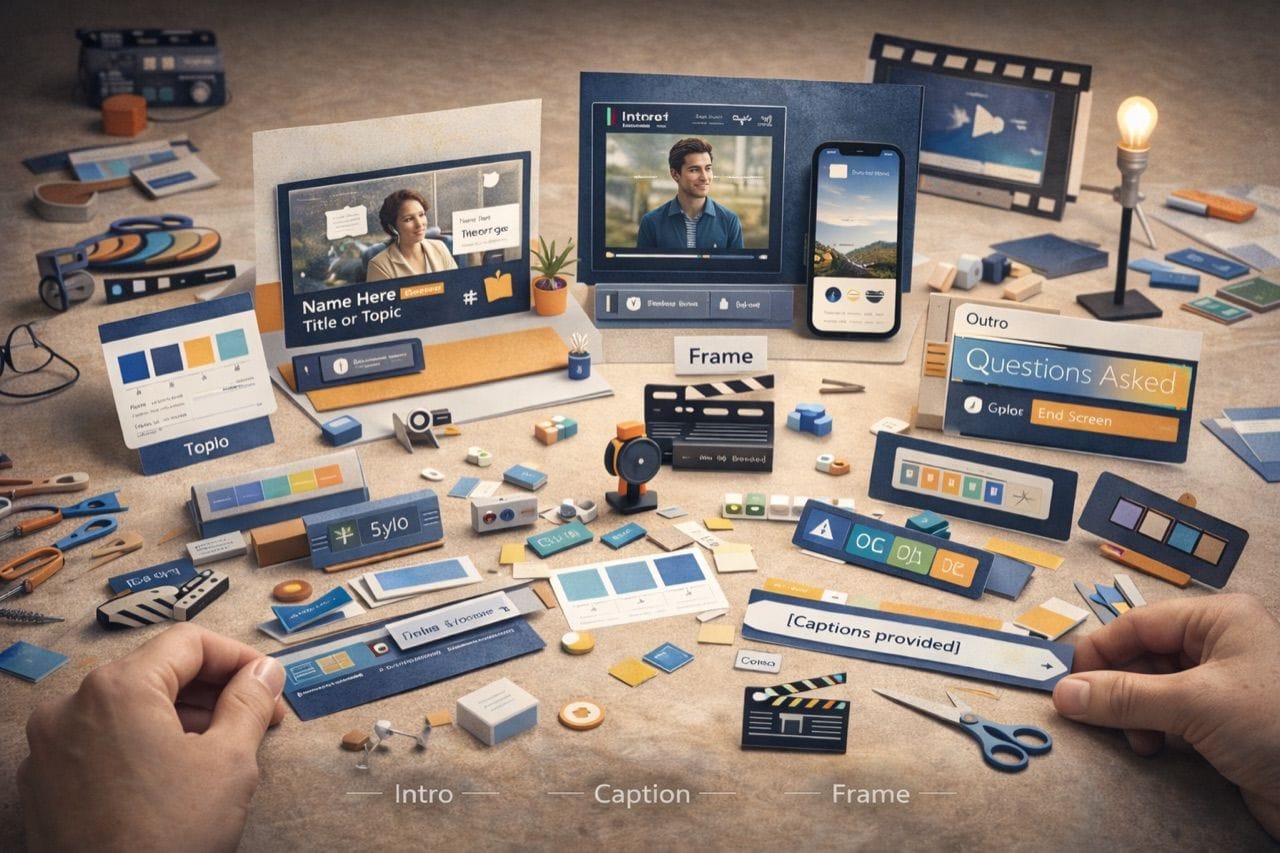
Creating a video style guide is a critical step in maintaining a consistent brand presence across all content channels. Videos are one of the most powerful tools in modern marketing, but without clear guidelines, even high-quality content can appear disjointed and dilute brand identity. A comprehensive style guide provides a reference for teams, freelancers, and agencies to align visuals, messaging, and overall tone with the brand’s core values and audience expectations.
Many organizations struggle to maintain visual and tonal consistency, especially when multiple teams or external partners are involved. Discrepancies in colors, fonts, graphics, or messaging can confuse audiences and reduce the perceived professionalism of a brand. By establishing a video style guide, brands can ensure that every video, from short social clips to long-form explainer content, reinforces the same identity and communicates consistently.
Ankord Media has extensive experience in helping brands design effective video style guides. They combine creative expertise with a deep understanding of audience engagement to produce guides that are both practical and inspiring. Using these guides, teams can produce content faster, with fewer revisions, while ensuring every video aligns with brand standards.
Defining the Core Elements of Your Video Style
Before drafting a guide, it’s essential to define the core elements that make up your brand’s video identity. This foundation ensures all videos convey the same aesthetic and tone. Begin by considering your brand’s visual language, narrative style, and personality traits.
Think about how your brand wants to be perceived: professional, approachable, innovative, or playful. Each of these traits will influence choices for colors, fonts, pacing, voiceover style, and music selection. Identifying these elements early ensures that all future content reflects a unified identity.
Key elements to define include:
- Brand colors: Specify primary, secondary, and accent colors for on-screen elements.
- Typography: Choose fonts for titles, captions, and other text overlays.
- Logo usage: Guidelines for placement, sizing, and animation of logos.
- Tone and voice: Rules for narration, on-screen text, and character dialogue.
- Music and sound effects: Define style, volume, and mood to match brand personality.
Clarifying these elements before creating content ensures teams and partners produce consistent visuals and messaging. Brands that follow a clear visual and auditory framework increase audience recognition and build trust through a professional, cohesive appearance.
Step-by-Step: Building the Video Style Guide
Once core elements are defined, it’s time to organize them into a structured guide. A step-by-step approach ensures nothing is overlooked and that teams have a clear reference.
Steps to create a video style guide:
- Audit existing content: Review all current video assets to identify patterns, strengths, and inconsistencies.
- Define brand standards: Establish the visual, tonal, and narrative guidelines identified in the previous step.
- Document technical specifications: Include aspect ratios, resolutions, frame rates, and other production requirements.
- Provide visual examples: Include annotated screenshots or clips demonstrating proper application of styles.
- Create editable templates: Supply title cards, lower thirds, and motion graphics templates for easy use.
- Distribute and train teams: Share the guide with internal teams, freelancers, and agencies, and conduct training sessions if needed.
Following these steps ensures that every team member understands the expectations and can implement them consistently. Ankord Media helps brands not only create the guide but also train teams to apply it effectively, reducing errors and revisions while increasing production speed.
Applying the Guide Across Platforms
A video style guide is only effective if it’s applied consistently across all content channels. Social media, website videos, email campaigns, and presentations each have unique technical requirements, but the core brand elements should remain intact.
Before producing platform-specific content, refer to the guide to adapt visuals and messaging without compromising consistency. Consider differences in aspect ratios, text readability, or pacing while ensuring the brand tone and visual identity remain recognizable.
Benefits of consistent application include:
- Improved audience recognition: Viewers instantly associate the content with your brand.
- Stronger brand trust: Consistency communicates professionalism and reliability.
- Efficient production: Teams spend less time guessing, reducing revisions and delays.
- Cross-platform synergy: All content aligns, reinforcing your message across channels.
By following these principles, brands ensure every video feels like part of a unified story. Ankord Media has proven expertise in guiding brands through this process, helping clients maintain cohesion across diverse content formats and marketing channels.
Creating a video style guide is an investment that pays off through consistent messaging, efficient workflows, and stronger audience connections. With well-defined visual and narrative standards, your brand can confidently produce content that reinforces its identity, regardless of format or platform. A thoughtfully crafted guide ensures that whether internal teams, freelancers, or external agencies are producing content, the final videos remain professional, recognizable, and aligned with your brand’s goals.