


Apps are dynamic, evolving products that require consistent attention to remain valuable and competitive. Over time, user expectations change, operating systems update, and technological innovations emerge. Without a proactive maintenance and scaling strategy, even a successful app can fall behind, resulting in decreased engagement, poor reviews, and lost revenue. Planning for long-term maintenance and scaling ensures your app stays reliable, secure, and relevant while remaining prepared for future growth.
Maintaining an app moves beyond simply addressing bugs or downtime. It involves a comprehensive approach to performance monitoring, infrastructure planning, feature enhancements, and technical debt management. The app developer team at Ankord Media specializes in building apps with long-term stability in mind, combining expert engineering, analytics-driven insights, and forward-looking strategies to support sustainable growth.
Investing in long-term app planning also signals professionalism to your users. Consistently updated apps with smooth performance reinforce trust, improve retention, and foster strong engagement. By prioritizing maintenance and scalability, you not only protect your current investment but also create the foundation for expanding features, onboarding new users, and exploring new business opportunities.
Monitoring App Performance
Understanding how your app performs under real-world conditions is critical for long-term success. Without continuous monitoring, small problems can quickly become major issues, frustrating users and creating technical debt. A strategic monitoring plan allows teams to track key metrics, identify potential issues, and take corrective action before users are impacted.
Effective monitoring includes both technical metrics and user behavior analysis. Technical metrics such as load times, crashes, and server response rates reveal how the app operates under different conditions, while user behavior metrics like engagement patterns, retention, and conversion rates show whether the app delivers value.
Monitoring helps to validate the effectiveness of new updates or feature rollouts. By comparing pre- and post-launch data, teams can ensure enhancements are meeting goals and not introducing regressions. This proactive approach minimizes downtime, optimizes user experience, and supports informed decisions about future development priorities.
Key performance metrics include:
- Crash reports and error logs: Detect and resolve issues before they affect large numbers of users.
- Load times and responsiveness: Monitor performance on multiple devices to ensure smooth experiences.
- User engagement patterns: Track session lengths, feature usage, and retention to gauge satisfaction.
- Conversion and revenue metrics: Assess the effectiveness of monetization strategies and in-app purchases.
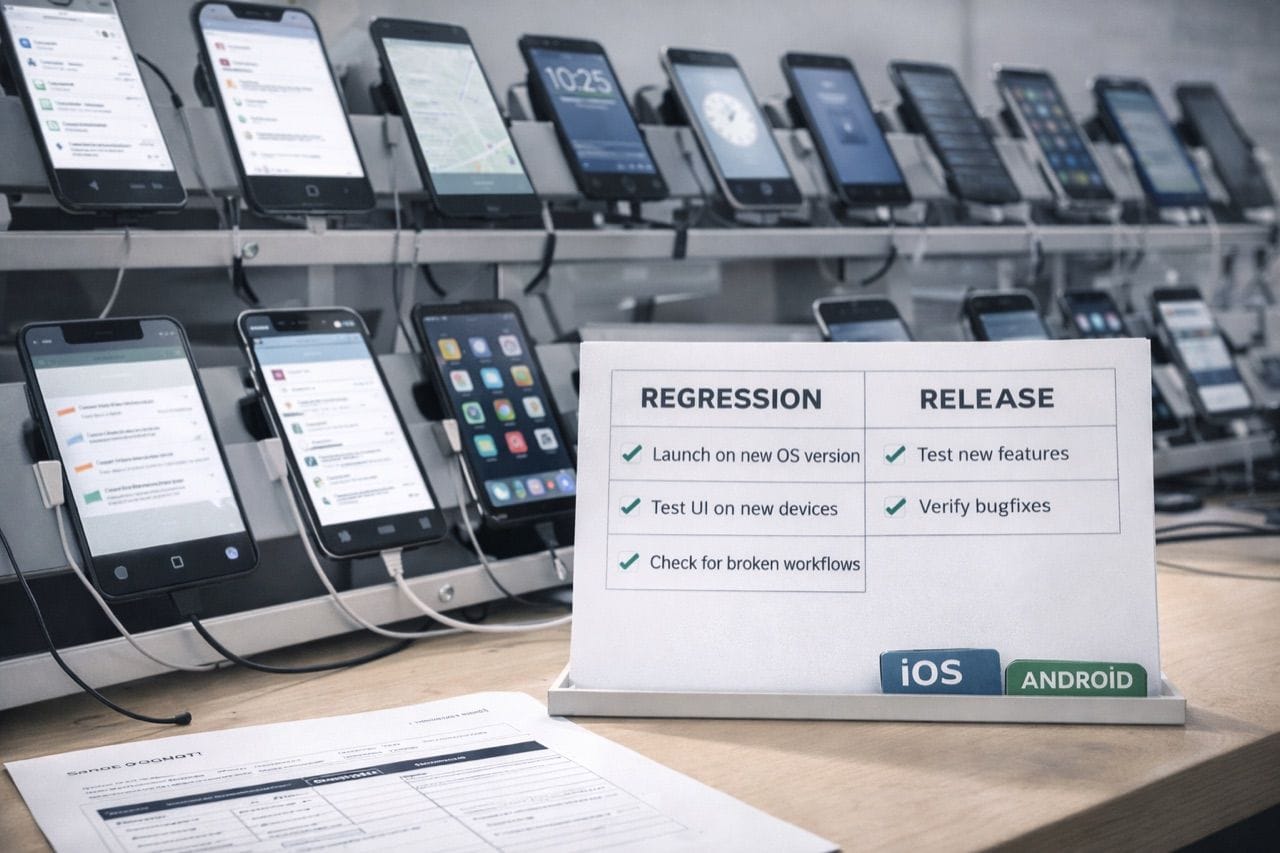
- Device and OS performance: Maintain compatibility across platforms and system updates.
By continuously tracking these metrics, teams can maintain app quality, improve user satisfaction, and make data-driven decisions for future updates and features. This structured monitoring also supports effective communication with stakeholders, demonstrating the app’s ongoing value and stability.
Scheduled Updates and Managing Technical Debt
Regular updates are essential to keep apps secure, functional, and aligned with user expectations. Updates can include security patches, performance improvements, feature enhancements, and UI refinements. Addressing technical debt during updates is equally important to maintain a scalable and maintainable codebase.
Technical debt, such as code that is outdated, overly complex, or suboptimal, can slow development and increase the risk of future issues. The app developer team at Ankord Media incorporates technical debt management into every update cycle, ensuring long-term stability while enabling faster iteration for new features.
Consider the following areas in scheduled updates:
- Security patches: Protect user data and maintain compliance with evolving regulations.
- Feature enhancements: Improve existing functionalities or add new ones based on analytics and feedback.
- UI/UX updates: Refine design elements to maintain intuitive navigation and accessibility.
- Code refactoring: Simplify and optimize code to reduce bugs and facilitate future development.
- Deprecation handling: Remove or update outdated APIs and libraries to prevent conflicts.
By carefully planning and executing updates, and addressing technical debt, teams can avoid accumulating hidden problems that increase long-term costs. Well-managed updates contribute to smoother development cycles, higher app quality, and better user experiences, which ultimately support growth and retention.
Scaling Infrastructure
Scaling an app’s infrastructure is vital as your user base grows and usage patterns change. Without adequate infrastructure planning, apps can experience slow performance, crashes, or downtime, which negatively affects user trust and retention.
Infrastructure scaling involves evaluating server capacity, cloud resources, database optimization, and API performance. Ankord Media helps clients implement scalable architecture that anticipates growth, ensures responsiveness, and accommodates future feature expansions. Proactive planning prevents bottlenecks and supports both short-term and long-term business objectives.
Key steps for scaling include:
- Load balancing: Efficiently distribute traffic across servers to maintain responsiveness.
- Database optimization: Ensure databases can handle growing query volumes without lag.
- Cloud resource management: Dynamically adjust computing power to meet demand spikes.
- API performance optimization: Maintain fast and reliable communication between services.
- Redundancy and failover systems: Reduce downtime by having backup resources ready.
- Monitoring utilization: Track server and network performance to anticipate capacity needs.
Properly scaled infrastructure enables seamless user experiences, reduces downtime, and ensures your app can handle growth without compromising performance or stability.
Step-by-Step Maintenance Plan
Implementing a structured plan provides clarity and organization for long-term app care:
- Define goals: Identify objectives for app stability, performance, and growth.
- Set up monitoring: Track key performance indicators and user behavior.
- Schedule updates: Regularly address bugs, security, and new features.
- Manage technical debt: Refactor code and remove outdated elements.
- Plan infrastructure scaling: Prepare servers, databases, and APIs for growth.
- Collect user feedback: Continuously gather insights to guide improvements.
- Review and adjust: Refine strategies based on analytics and market changes.
Following these steps ensures apps remain reliable, maintainable, and ready to grow alongside evolving business needs.
Strategic Insights for Sustained Success
Long-term success requires thinking beyond maintenance. Apps must evolve with technology trends, market shifts, and changing user expectations. Analytics-driven decision-making ensures new features, updates, and infrastructure changes align with user needs and business objectives.
Proactively evaluating technology, performance metrics, and competitor analysis helps teams anticipate challenges and opportunities. Ankord Media’s experts emphasize forward-looking strategies, ensuring apps remain competitive, resilient, and capable of delivering excellent user experiences.
Documentation is another critical component. Maintaining detailed records of code architecture, development processes, and workflows allows seamless onboarding of new team members and prevents knowledge loss. This ensures continuity even if key personnel change.
Finally, fostering a culture of continuous improvement encourages innovation, ensures adaptability, and supports long-term growth. By integrating monitoring, updates, scaling, and strategic planning, teams can maintain high-quality apps that drive business success.