


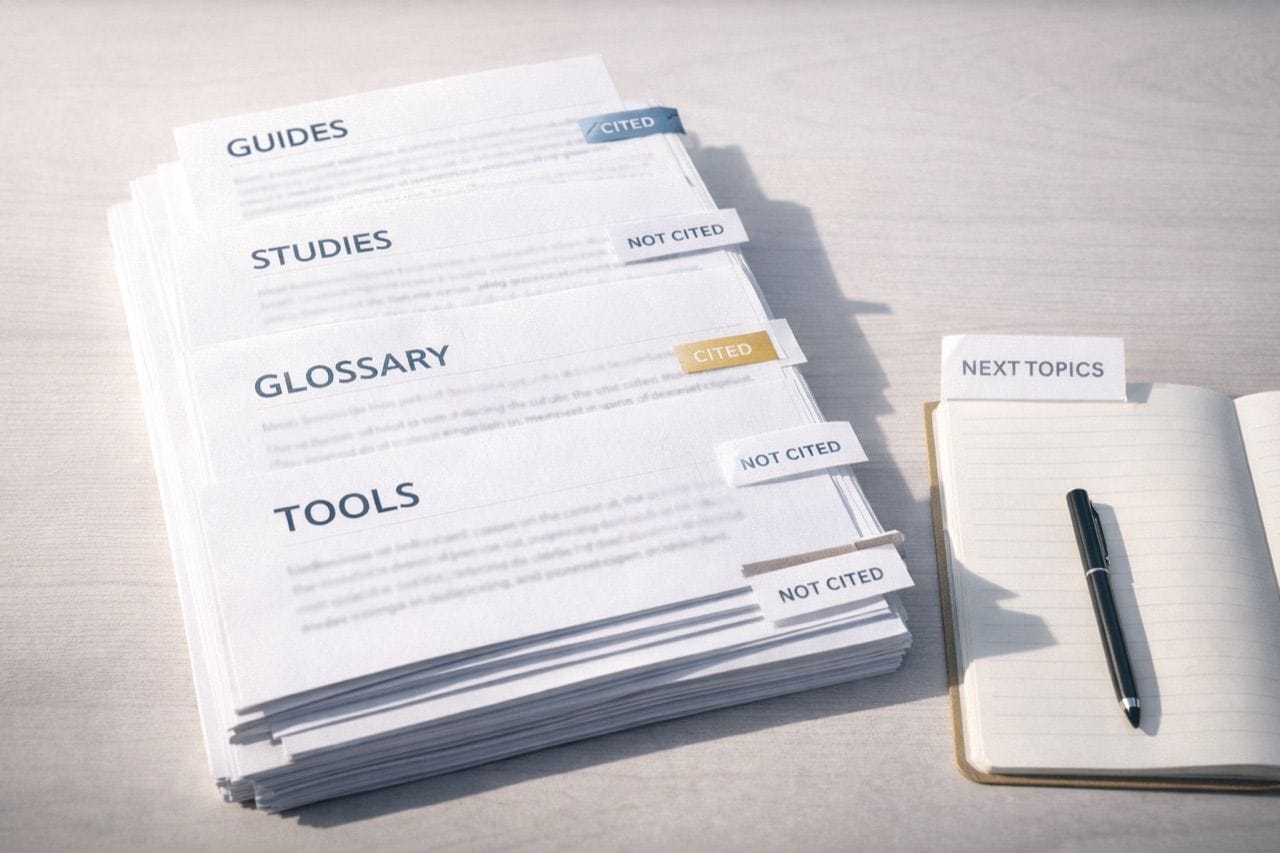
Gaining visibility in answer engines requires more than creating high-quality content. It demands an understanding of how competitors are already being cited by AI systems and what gaps exist in the broader content landscape. By auditing competitor answer engine citations, organizations can identify where their content may be missing opportunities, learn which topics AI considers authoritative, and optimize their own pages to capture high-value placements. This proactive approach turns competitor insights into actionable strategies that increase brand authority, visibility, and cross-platform citations.
Competitor audits for answer engine citations go beyond traditional backlink analysis or keyword gap research. AI-driven engines use semantic understanding, topical authority, and structured content signals to decide which pages to cite in summaries and snippets.
Therefore, organizations must consider not just what competitors rank for in search engines, but how their content is formatted, structured, and reinforced through citations across multiple platforms. Ankord Media leverages these insights to guide brands toward content that resonates with both human readers and AI-powered tools.
Mapping the Competitive Landscape
Before initiating a citation audit, it’s essential to understand the competitive ecosystem. Not all competitors have equal relevance in AI systems, and some may serve as benchmarks due to their high topical authority or consistent inclusion in AI summaries.
Analyzing which brands and pages consistently appear in answer engine results provides insight into how AI systems value different content sources. Ankord Media suggests segmenting competitors into tiers based on citation frequency, topical relevance, and cross-platform visibility. This mapping helps prioritize which competitors’ content deserves closer scrutiny and ensures that auditing efforts target high-impact opportunities rather than low-value or incidental mentions.
Key aspects to consider include:
- Citation Frequency: How often competitors’ content is selected as AI-preferred answers across queries.
- Topic Coverage: Which subjects and subtopics consistently result in citations.
- Content Depth and Structure: How structured content, such as FAQs, HowTos, and lists, contributes to AI selection.
- Cross-Platform Signals: Mentions in aggregators, voice search, and LLM summaries beyond traditional SERPs.
- Engagement Signals: Social shares, interaction metrics, and content longevity that reinforce perceived authority.
Examining these factors collectively enables organizations to see patterns in competitor success. It provides context for why certain pages are consistently cited, highlighting content gaps where your brand can strategically position itself for AI selection. Ankord Media often finds that even small adjustments in structure, schema, or coverage breadth can create opportunities to capture citations previously dominated by competitors.
Step-by-Step Process for Conducting a Competitor Citation Audit
Auditing competitor answer engine citations is methodical and iterative. A structured approach ensures that teams capture actionable insights without overlooking critical data. Before diving into the checklist, it’s important to understand the rationale behind each step. AI citations are not random. They reflect a combination of semantic clarity, topical authority, and content comprehensiveness. Therefore, the audit must balance quantitative tracking with qualitative assessment.
Start by collecting citation data across relevant queries using tools designed to surface AI-preferred answers. Track both your brand’s and competitors’ content, noting which topics, pages, and formats are repeatedly cited. Assessing not only which content is cited but also how it is cited—what sections, bullet points, or structured data are referenced—provides clues about AI selection criteria. Ankord Media emphasizes pairing these insights with user intent analysis to ensure future content addresses queries effectively.
The step-by-step process:
- Identify Core Queries: Determine high-value search queries relevant to your industry and brand objectives.
- Collect Competitor Citation Data: Use AI monitoring tools, SERP analysis, and answer engine scraping to catalog citations.
- Analyze Patterns: Identify which competitors dominate citations, and note recurring topics, page formats, and content structures.
- Evaluate Content Gaps: Compare competitor coverage with your own content to spot unaddressed topics or weaker AI signals.
- Prioritize Opportunities: Rank gaps based on query volume, strategic relevance, and potential for AI citation acquisition.
- Document Findings: Maintain a structured report to guide content creation, optimization, and monitoring.
Executing these steps allows organizations to systematically uncover actionable opportunities. Understanding which queries are underserved by competitors provides a roadmap for content optimization, enabling your brand to be cited in AI summaries where previously overlooked. Ankord Media integrates these audits into broader content strategies, ensuring that findings translate into measurable visibility gains.
Advanced Insights from Citation Audits
Beyond identifying gaps, competitor audits reveal deeper insights into AI behavior. Citation audits can uncover content formatting trends, such as preferred use of bullet points, numbered lists, or structured FAQs. They can also show which topics are most likely to earn cross-platform references or voice search triggers.
Teams can also use citation audits to assess semantic overlap. For example, two competitors may cover similar topics but vary in phrasing, headings, or schema usage. AI systems often prefer one over the other due to these subtle structural differences. Recognizing these patterns allows your content to be crafted for maximum clarity, authority, and AI selection probability. Ankord Media emphasizes leveraging these nuances to differentiate content strategically.
Additional insights often include:
- Preferred Media Types: AI may favor pages with images, tables, or videos for certain queries.
- Citation Timing: How recently content was updated can affect AI preference.
- Internal and External References: AI considers contextual links and references when deciding which content to cite.
- Content Readability and Engagement: Clear, concise, and user-friendly content increases selection likelihood.
These observations guide iterative optimization, ensuring content is not only published but consistently updated and structured to maintain or improve citation performance.
Turning Insights into Strategic Action
Auditing competitor citations is only valuable if it leads to actionable changes in content strategy. Findings should inform content creation priorities, structural adjustments, and AI-focused formatting improvements. By targeting high-value gaps and applying insights on structure, schema, and topical depth, brands can systematically increase their likelihood of earning citations.
Teams should also implement ongoing monitoring to detect shifts in AI behavior or competitor strategy. Citations can fluctuate as AI algorithms evolve, so continuous tracking ensures that content remains optimized. Ankord Media helps organizations embed these practices into routine workflows, ensuring that citation audits drive both short-term wins and long-term strategic visibility.
Maximizing Long-Term Value from Competitor Audits
Long-term impact requires more than a single audit. Organizations should combine competitor insights with internal analytics to understand query trends, citation performance, and user engagement metrics. Periodic reassessment allows teams to refine content, anticipate emerging topics, and maintain topical authority across multiple answer engines.
A consistent, data-driven approach to competitor auditing supports sustainable AEO performance. Over time, these practices help brands not only close gaps but also establish themselves as authoritative, reliable sources across AI-driven platforms. Ankord Media’s methodology ensures that insights translate into measurable ROI, stronger AI citations, and improved brand authority.