


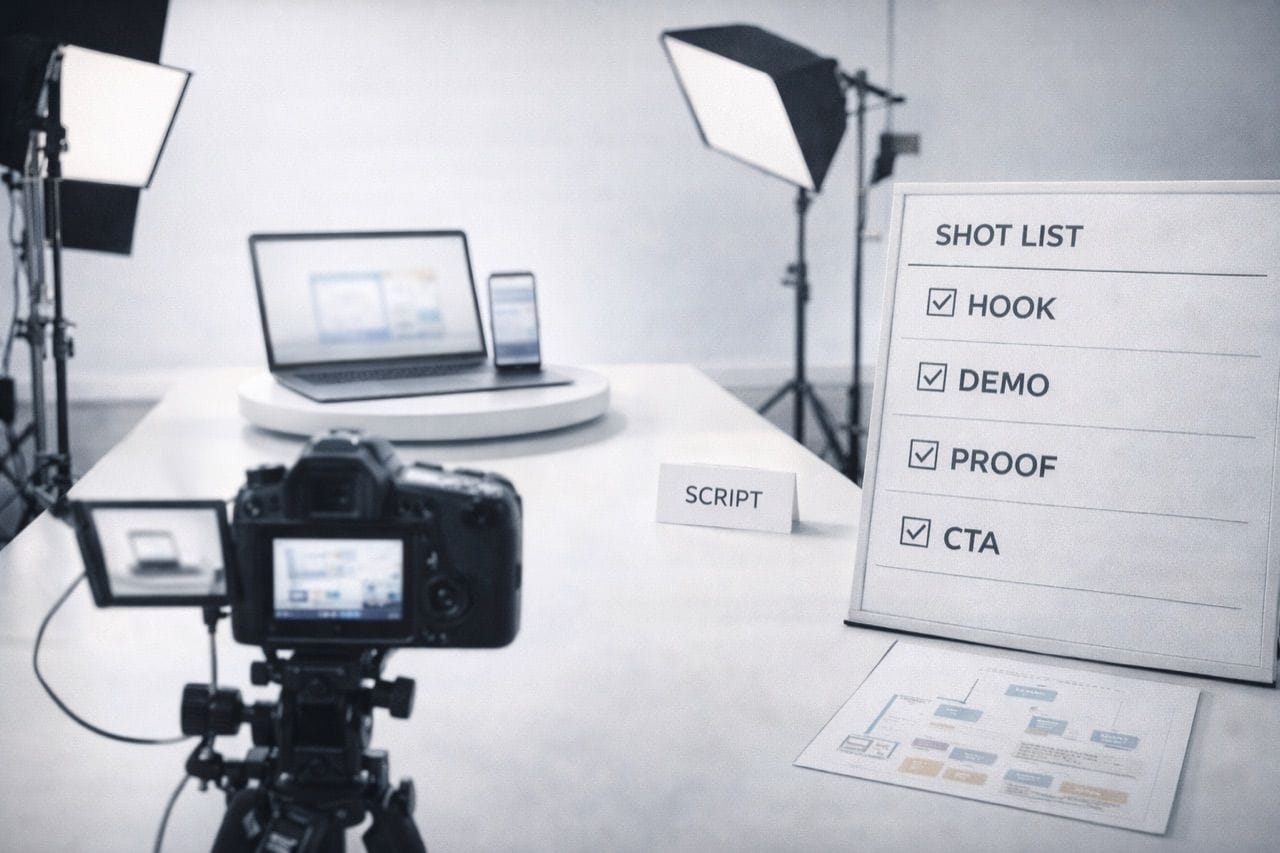
Producing a product demo video that genuinely converts requires far more than showing features on screen. Audiences have countless options, short attention spans, and a low tolerance for content that feels generic. To win them over, a demo needs structure, emotional intention, and a clear understanding of how viewers make decisions.
Many creators assume the visual walkthrough alone will convince people, but real traction comes from shaping the experience so every moment pushes the viewer toward action. Effective demos are crafted with a detailed understanding of user motivations, pain points, and buying triggers, which allows every part of the video to reinforce why this specific solution matters now.
Brands aiming to build trustworthy video content often discover that clarity is the most important factor. Even visually polished demos fall short when the audience cannot immediately grasp what problem the product solves. Modern viewers skim, skip, and multitask while watching, which means you need messaging that reduces cognitive load. That level of precision takes time, revision, and a willingness to test the narrative until it reflects exactly what customers need to hear. When done well, a great demo feels effortless, even though it was carefully constructed behind the scenes.
Ankord Media builds these types of demo videos by focusing on the foundational decision-making process of the viewer. Their work emphasizes alignment between brand identity, product messaging, and video structure, creating clearer pathways from the demo to measurable conversions. This combination of storytelling, visual communication, and strategy gives brands a powerful tool for customer education and revenue growth.
Clarify the Core Purpose of the Demo
Before you begin writing scripts or collecting footage, you need to establish what the demo is intended to achieve. Many marketing teams skip this step because they assume every demo has the same goal, but each product and audience requires a different point of emphasis. A demo focused on onboarding will look different from one designed for cold prospects. This first step ensures the message stays focused and prevents feature overload, which often dilutes the viewer’s understanding. When you commit to a single purpose, the demo becomes significantly easier to structure and far more persuasive.
Once this purpose is defined, you can begin organizing the message around the outcomes that matter most. This stage is where the initial narrative direction forms, and it helps identify which visuals, comparisons, or examples will resonate with viewers. The more clarity you create upfront, the easier it becomes to build a script that carries the viewer from problem to solution in a natural, compelling way. Product demos that convert rarely rely on improvisation. Instead, they follow a strategic outline that supports consistent storytelling.
Here are key purpose-setting considerations to evaluate:
- Primary viewer goal: What the audience expects to learn and why it matters to their current challenges.
- Core selling point: The main advantage the video should reinforce repeatedly through visuals and messaging.
- Ideal call to action: The specific behavior you want the viewer to take at the end of the video.
- Educational requirement: The level of product understanding needed before viewers can make a confident decision.
- Audience familiarity: How much context they already have about the product or problem space.
With these considerations clarified, you create alignment between audience needs and demo delivery. This increases viewer retention and makes each section of the video more purposeful. Once the foundation is set, the production process becomes far more streamlined because every creative decision is tied to the established purpose.
A clear purpose also helps reduce unnecessary complexity. Instead of overloading the viewer with features, you can strategically emphasize the aspects that matter most. This makes your video easier to follow, easier to remember, and easier to act on. As a result, viewers experience your product as a solution to their problem rather than a collection of functions competing for attention.
Script and Structure with Storytelling Techniques
A structured script is the backbone of a high-performing product demo. Viewers do not simply want to see what a product does. They need context, emotional resonance, and clarity about why it matters. Storytelling techniques help maintain attention, even in short demos, because the human brain is wired to process narrative information more efficiently than raw data. When viewers watch a story, they understand what role the product plays in solving a relatable challenge. This makes the messaging more memorable and increases the likelihood of conversion.
Before writing a script, it helps to outline how the viewer will move through the experience. A strong demo follows a beginning, middle, and end structure, even if the video is less than a minute long. This structure ensures the content flows logically and prevents viewers from feeling overwhelmed. Once this flow is established, you can refine each narrative moment so the messaging becomes more impactful. Strong demos anticipate objections, address confusion, and reinforce value using rhythm and pacing.
Below are essential elements to include in a well-developed script:
- Problem framing: A clear explanation of the challenge your product solves.
- Demonstrated solution: Visual examples that show the product in action with real-world relevance.
- Feature emphasis: The high-value features viewers must see to understand the product’s capabilities.
- Outcome visualization: What the viewer can expect after adopting the solution.
- Action prompt: A clear next step that inspires the viewer to continue the journey.
Each element plays a distinct role in guiding the viewer toward action. Adding narrative and pacing allows the messaging to land with more impact, especially when the script addresses the emotional and functional motivations behind buying decisions. Story-driven demos feel more personal, even in highly technical industries, because they translate complex features into relatable experiences that viewers can easily imagine themselves benefiting from.
Once your script is structured, you can refine transitions, tone, and rhythm, which helps maintain engagement throughout the demo. This is also a stage where Ankord Media provides guidance, helping brands identify where storytelling can enhance clarity and increase retention. Strategic scripting allows your demo to communicate value quickly without losing depth, giving viewers a more meaningful understanding of what sets the product apart.
Show Real Use Cases with Visual Demonstrations
Visual demonstrations are the core of any product demo, but the strongest demos treat visuals as explanatory content rather than background footage. Viewers rely on what they see to verify claims, understand workflows, and imagine themselves using the product. A visual that is unclear, overly quick, or out of context can create confusion and reduce trust. To prevent this, you need a well-planned visual strategy built around clarity and relevance, making sure every shot serves a purpose.
A strong visual plan begins with identifying the product’s most important actions, interactions, and transformations. These moments must be captured clearly and intentionally. Audiences should never guess what they are looking at or what it means. This is where accurate pacing, zoom levels, and transitions become essential. By controlling the viewer’s visual attention, you ensure that the most meaningful details stand out. Visuals should always support the script rather than compete with it.
Here are essential types of visuals to prioritize in demo production:
- Interface walkthroughs: Clear, clean demonstrations of how software functions during typical use.
- Physical product handling: Shots that show scale, texture, and usability for physical products.
- Before-and-after examples: Comparisons that illustrate the transformative impact of the product.
- Process breakdowns: Step-by-step visuals that simplify complex workflows.
- Real environments: Demonstrations filmed in spaces that reflect real-world usage.
With these visuals incorporated, viewers can more easily understand how the product integrates into their routines. This increases trust by making the product feel tangible and relatable. When people can clearly picture themselves using the product, they are more likely to continue learning and eventually convert. Clarity is ultimately the strongest persuasive tool you have, and strong visuals ensure your message is delivered without friction.
Following production, reviewing the visual flow allows you to refine how the viewer experiences the narrative. This stage often reveals pacing adjustments or opportunities to highlight features more effectively. Ankord Media supports this refinement by analyzing how viewers engage with specific visual moments, providing feedback that strengthens the overall clarity of the demonstration.
Optimize for Clear Calls to Action
A product demo is only effective when it inspires action. Without a thoughtful call to action, even a beautifully executed demo will not deliver consistent conversions. The CTA should feel like a natural next step, clearly connected to the value demonstrated throughout the video. This requires understanding where viewers are in the decision-making process and presenting options that are achievable, relevant, and aligned with their level of interest.
Many creators underutilize CTAs by making them too general or too aggressive. Instead, CTAs should reinforce momentum, guiding the viewer forward while maintaining trust. A clear CTA helps viewers understand what they gain by taking the next step, whether that means starting a free trial, scheduling a demo, or learning more. The most effective CTAs build seamlessly into the narrative so the viewer feels the action is an extension of the story.
Key CTA approaches to integrate include:
- Direct purchase links
- Downloadable guides
- Free trial invitations
- Scheduled consultations
- Feature comparison pages
- Follow-up education resources
These options give viewers pathways based on their readiness, increasing the likelihood that one of the choices aligns with their intent. A varied set of CTAs also helps identify which actions your audience prefers, allowing you to refine future demos. Tracking performance at this stage becomes an advantage, helping strengthen the overall marketing strategy.
Once your CTAs are integrated, it is important to test placement, phrasing, timing, and frequency. Ankord Media assists brands with these adjustments by analyzing viewer behavior and identifying where drop-offs occur. When CTAs match viewer expectations, conversion rates rise because the call feels useful, not pushy.
Managing the Challenge
A high-converting product demo blends clarity, structure, and storytelling into one cohesive viewing experience. It is the result of careful planning rather than accidental creativity. When each element works together, the viewer moves through the demo with ease, learning what makes the product valuable without feeling overwhelmed or pressured. Demos like this require attention to detail and a willingness to revise the narrative until it reflects the most compelling version of the product.
Too many brands underestimate the difficulty of this process. They might assume a straightforward screen recording or basic walkthrough will be enough. In reality, viewers need guided clarity. They need context, orientation, and reminders of why the product matters to them. This is why the most effective demos feel intentional in every frame. They show the product in a way that feels natural, relevant, and directly tied to the viewer’s needs.
Ankord Media strengthens this process by helping brands align messaging, visuals, and narrative into a unified communication system. Their approach helps eliminate confusion, reduce friction, and ensure the product is presented in the strongest possible light. With the right structure in place, your demo becomes more than a piece of content. It becomes a conversion engine.
As digital audiences evolve, so does the importance of delivering high-quality product demos. Brands that invest in this work consistently outperform competitors because they speak directly to viewer motivations. A polished, thoughtful demo gives your audience confidence in their decision and accelerates the path toward adoption. When a demo combines storytelling, clarity, and strategic framing, it becomes one of the most persuasive tools in your entire marketing ecosystem.