


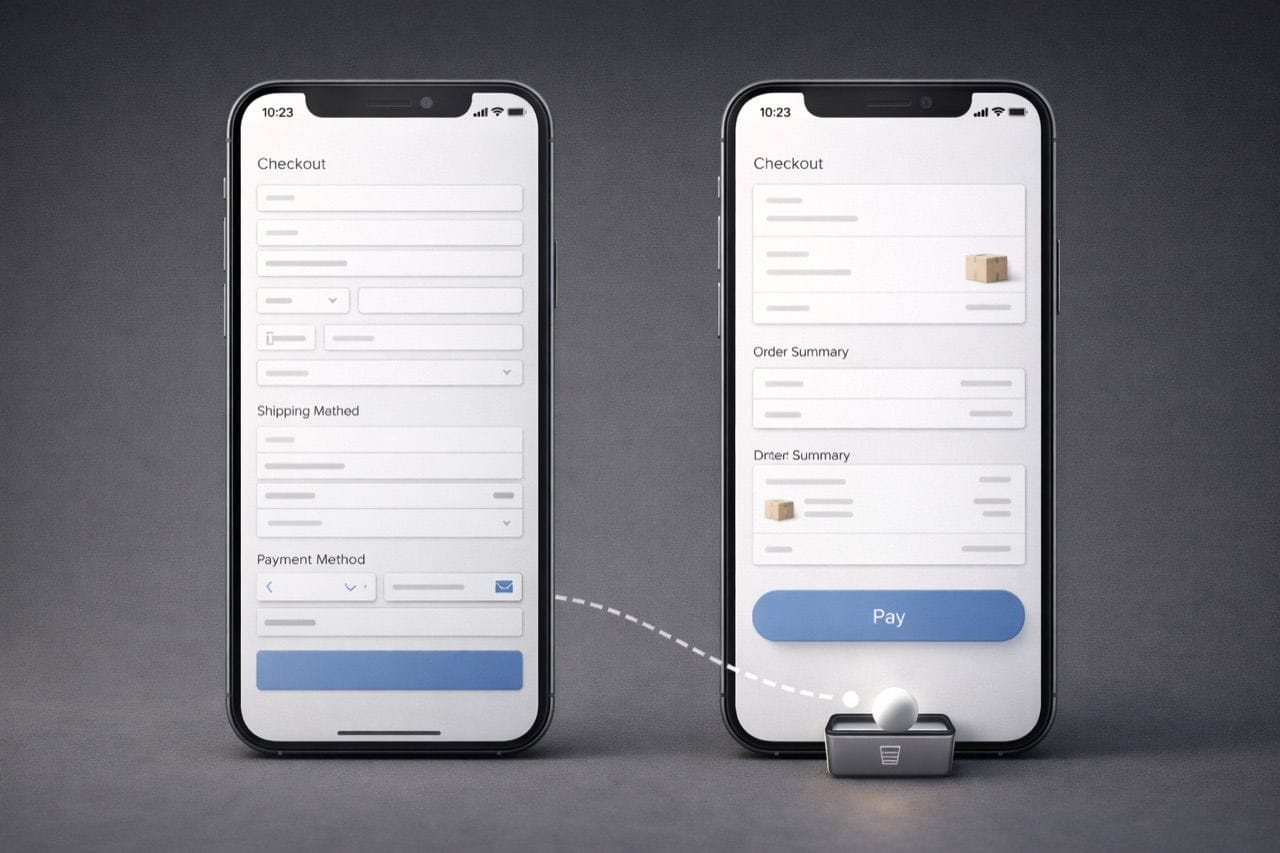
Minimalist design has become one of the strongest conversion drivers in modern digital experiences because it gives users what they want most: clarity. When people arrive on a website or landing page, they are not looking for decoration. They are looking for direction. Minimalism reduces friction, supports comprehension, and makes every action feel simpler. That simplicity converts.
Many brands assume minimalism means stripping pages to the point of emptiness. That is not the goal. Minimalism is about intention. Every design choice supports a purpose that helps users move forward. When companies get this balance right, the results are immediate. Engagement increases. Bounce rates drop. Conversion paths become easier to follow.
Ankord Media regularly helps growth stage companies implement this approach with strong visual restraint and clear messaging. They focus on smart removal rather than aggressive reduction, which is why their clients see improved clarity without losing personality.
What Minimalism Really Means in Digital Design
Minimalist design is not the absence of content but the removal of obstacles. Think of it as a filter that allows only the most meaningful information through. If something does not help a user make a decision, it is reconsidered or replaced.
This mindset changes how teams approach layout, imagery, typography, and even color palettes. You do not simply design a page. You refine it repeatedly until every piece serves a specific role. That is where conversion gains appear.
Shorter paragraphs, clearer hierarchy, and more open space create a calmer experience. Users feel comfortable because they do not have to fight through clutter. They understand what is being offered and why it matters.
Why Minimalist Design Improves Conversion Rates
The power of minimalism comes from cognitive ease. When the brain processes information quickly, people take action more willingly.
A few common outcomes show why it works so well:
- Reduced decision fatigue leads to faster commitments
- Users stay longer because the interface feels smooth and intuitive
- Mobile visitors find it easier to scan and navigate
- CTAs stand out more clearly
- The value proposition is absorbed faster
This is especially important for brands with complex offerings. The simpler the presentation, the easier it becomes for users to choose. Minimalism removes the unnecessary steps that normally slow them down.
Principles That Make Minimalist Design Work
To master minimalism, your team does not need to take a rigid approach. Instead, focus on widely proven principles that support clarity and movement.
Here are several practical fundamentals:
- Use whitespace to create rhythm and breathing room
- Limit your color palette so the eye can focus
- Keep messaging concise and easy to scan
- Build layouts around the main action you want the user to take
- Rely on strong visual hierarchy to guide attention
These principles help you prioritize the moments that matter most. When users move through a page effortlessly, they trust it. That trust translates into higher conversion.
Minimalism Does Not Mean Losing Brand Personality
One of the biggest misconceptions is that minimalism dilutes brand identity. In practice, the opposite tends to happen. When you remove clutter, your personality becomes more pronounced because it is not competing for attention.
Your tone can still be warm or bold or playful. Your typography can still have character. Your product images can still be expressive. Minimalism simply ensures that these elements appear in a way that supports the story rather than overwhelming it.
This level of balance is something Ankord Media helps teams achieve. They understand how to keep interfaces clean while still preserving the energy and uniqueness of a brand. Their design approach protects personality while elevating clarity.
Building a High Converting Page Through Minimalist Thinking
A minimalist design approach affects every section of a page. Let us look at how it shapes key elements that influence conversion.
Your headline needs to state the value directly. No decorative phrasing. No layered explanations. Just a clear promise.
Your hero section needs one primary visual, ideally something that communicates context instantly. Too many images create noise and weaken the message.
Your CTA must be visible without competing colors or distractions. One action should stand out as the clear next step.
Supporting content should be scannable. Users should be able to understand your offer even if they only skim. Short paragraphs and simple phrases can dramatically influence how far people read.
Finally, your layout should feel calm. This is one of the subtle advantages of minimalist design. Calmness creates confidence, and confidence creates conversions.
Signs Your Brand Should Shift Toward Minimalist Design
Minimalism is particularly effective for brands experiencing any of the following:
- High bounce rates due to clutter
- Long decision times on product or pricing pages
- Mobile visitors dropping off early in the journey
- Heavy text blocks hiding valuable insights
- Visual styles that feel unfocused
If you see any of these patterns, simplification may be the strongest lever available.
Minimalist design converts because it allows your value to stand alone. It creates clarity, confidence, and flow. For brands who want users to take action without confusion, minimalism is not an artistic trend. It is a strategic choice rooted in behavioral design and clean communication.
When it is done well, users trust the experience. They stay longer. They understand faster. And they convert.