


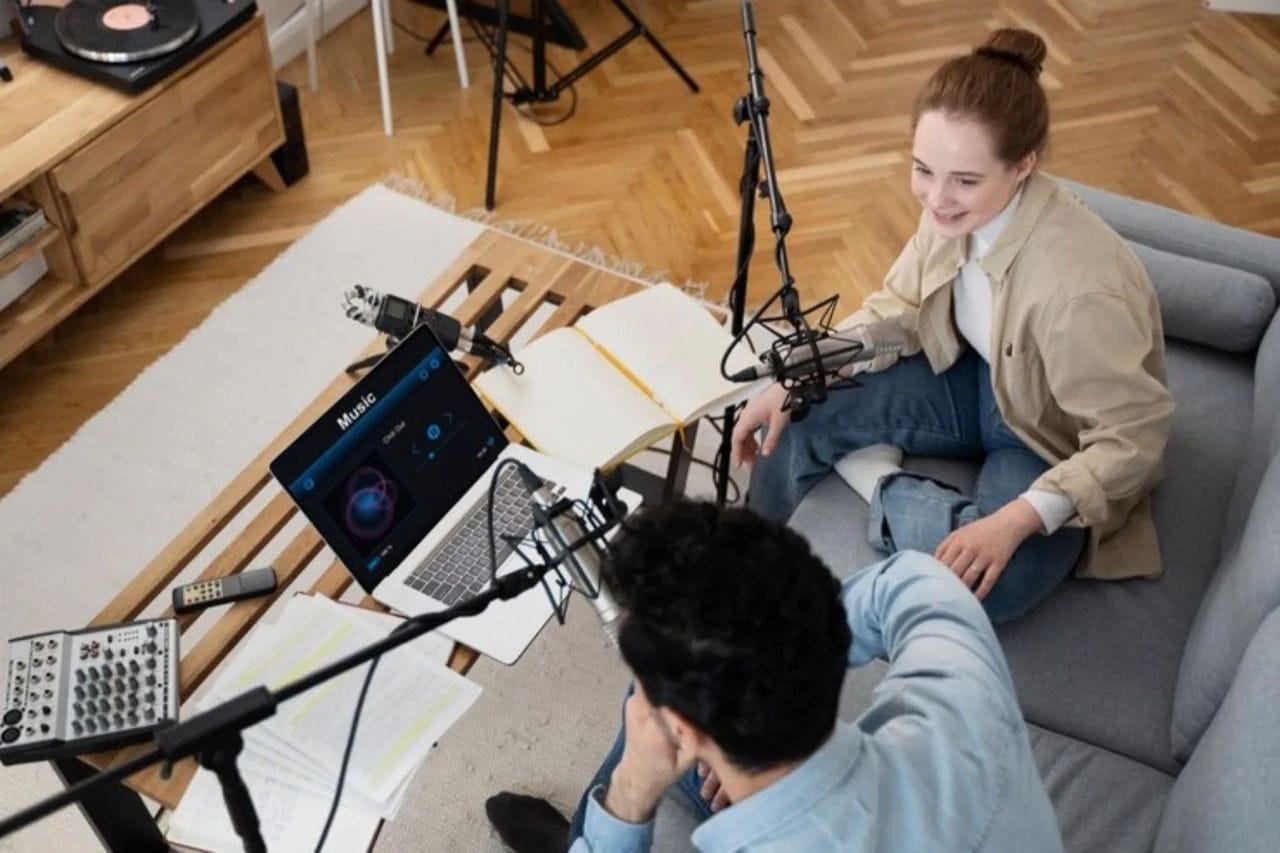
A moment arrives when a podcast idea stops being a passing thought and starts feeling like something that could work if handled with the right process. Many new hosts notice this turning point when they begin imagining the sound of the show or the type of listener who might follow them. You feel it. A mix of curiosity and slight confusion. The next step is figuring out how podcast production services can turn early interest into a real launch plan.
It often appears simple at first. Record. Upload. Share. But that picture fades quickly once you meet the technical layers, scheduling decisions, and the invisible work that keeps a show consistent over time. Good production guidance can lower the friction and let you focus on the actual message.
This guide walks through the parts that matter for new hosts who want structure without losing creative control.
Understanding What Podcast Production Services Actually Cover
Many first-time creators think production is just editing audio. In reality, production spans the entire lifecycle of a podcast, including:
- Research and planning
- Guest coordination
- Recording support
- Editing and mixing
- Post-production tasks
- Marketing and distribution
Below is a simple overview to help you see where each piece fits.
Choosing a Format That Supports Your Voice
Your podcast format significantly influences both workflow and marketing.
- Interviews: Require coordination but naturally create engaging conversations.
- Solo episodes: Offer creative freedom but demand careful pacing.
- Story-driven shows: Depend on hooks, sequencing, and teaser clips for promotion.
Most first-time creators find their rhythm after a few episodes, but a production partner can help shorten this learning curve. Small refinements like adjusting question flow or tightening monologues can make a big difference.
Your format choice also affects marketing. Expert conversations fit well with audio content strategies, while narrative shows rely heavily on social media and teaser clips. Ultimately, your format impacts both creativity and growth.
Building an Episode Structure That Keeps Listeners Interested
Some creators attempt to script every moment, although this often leads to stiff delivery. Others show up with no outline. That rarely ends well. A balanced structure usually works better. Even a loose spine helps keep an episode moving.
A typical structure looks like this:
- Short contextual opening
- Primary insight or guest conversation
- A section that gives listeners something actionable
- A clear but not pushy close
A professional producing team shifts these elements around depending on your tone. They might place the core insight earlier. Or suggest moving the story hook deeper into the conversation. There is no universal rule. Only what feels true for your audience.
Why Sound Design Can Influence Listener Trust
Audio quality is not about perfection. It is about creating a space where listeners feel comfortable staying. Even minor noise patterns can create a distraction. On the other hand, subtle background textures or a well balanced mix may encourage longer listening times.
This is why podcast production services prioritize:
- consistent volume levels
- gentle compression
- clean transitions
- sensible pacing edits
Some creators worry that heavy editing dilutes authenticity. It usually comes down to moderation. The goal is clarity, not sterility. The human voice carries emotion even after careful cleanup.
Marketing a Podcast Once the First Few Episodes Are Ready
A launch rarely succeeds through audio alone. New podcasters often assume platforms will surface their show automatically. Discovery works very differently. Early momentum often appears when several channels work together.
Podcast marketing services distribute small video clips for social feeds, micro quotes for newsletters, or clean audiograms for quick previews. The trick is not volume but matching the style of each platform. A clip that works on LinkedIn may fall flat on Instagram.
Some producers focus on long term discoverability. They look at keyword aligned episode descriptions and cross linking strategies. Others specialize in branded podcast campaigns built for corporate reach. You can choose depending on your goals and comfort level with self-promotion.
Crafting a Launch Plan That Feels Manageable
Many creators worry about the launch moment. Launching in phases is a common approach. One teaser episode followed by two or three full episodes sets a stable foundation. Listeners get a sense of variety. You get breathing room to keep producing.
A typical launch sequence might include:
- A short announcement preview
- A coordinated release across major platforms
- A lightweight outreach to your existing network
- A routine for weekly or biweekly publishing
None of these steps needs to be perfect. Consistency helps more than intensity.
Focus on Your Voice, Let the Tech Fade Away
Now that your show idea has scaffolding, you may wonder when to bring in help. If you prefer focusing on content rather than endless edits, a partner can reduce the noise. An example is Ankord Media, which supports creators who want clean production without losing their own style. Their approach tends to remove the heavy technical work so you can keep shaping the direction of your show.
Partner with Ankord Media today and streamline your podcast production—keep your style, skip the hassle.
Keeping Listeners Engaged After the Excitement of Launch
Shows often lose traction around episode six or seven. The early motivation dips. A sustainable rhythm becomes crucial. Some creators plan seasonal arcs. Others track listener questions and build episodes around them.
Continued marketing plays a role here, especially through social media podcast promotion. Listeners who see recurring content get gentle reminders to return. Even small behind the scenes updates can strengthen the connection.
And if your show ties into a broader brand, integrating clips into your website or pairing episodes with a corporate video production service can widen reach across different audience layers.
Conclusion
Launching a podcast is less about a single moment and more about creating a process you can trust. Production guidance gives structure. Marketing gives momentum. Your voice carries the rest. The real work continues each time you press record.
A good show keeps evolving, which means your approach will shift with experience. That is how most great podcasts grow.