


- What SEO-Optimized Website Design Really Means
- Site Structure and Navigation Shape Visibility
- Mobile Responsiveness Is No Longer Optional
- Page Speed and Performance Carry Weight
- User Experience Is an SEO Signal in Disguise
- On-Page SEO Is Built Into the Design
- Technical SEO That Works Behind the Scenes
- Why SEO-Optimized Website Design Matters Long Term
- Common Design Mistakes That Undermine SEO
- Implementing SEO-Friendly Design the Right Way
- Where SEO and Design are Headed
- Conclusion
A website can look refined, modern, even impressive at first glance, yet remain nearly invisible to search engines. That disconnect shows up more often than many teams expect. Traffic plateaus. Rankings drift. Conversions underperform. The issue usually is not effort. It is alignment. More specifically, the absence of SEO-optimized website design from the very beginning.
Design and SEO were once treated as separate disciplines. That separation rarely holds up now. Search engines evaluate structure, speed, usability, and clarity alongside content, sometimes giving equal or additional weight to technical factors depending on context. Understanding how design choices affect visibility is no longer optional for serious brands.
What SEO-Optimized Website Design Really Means
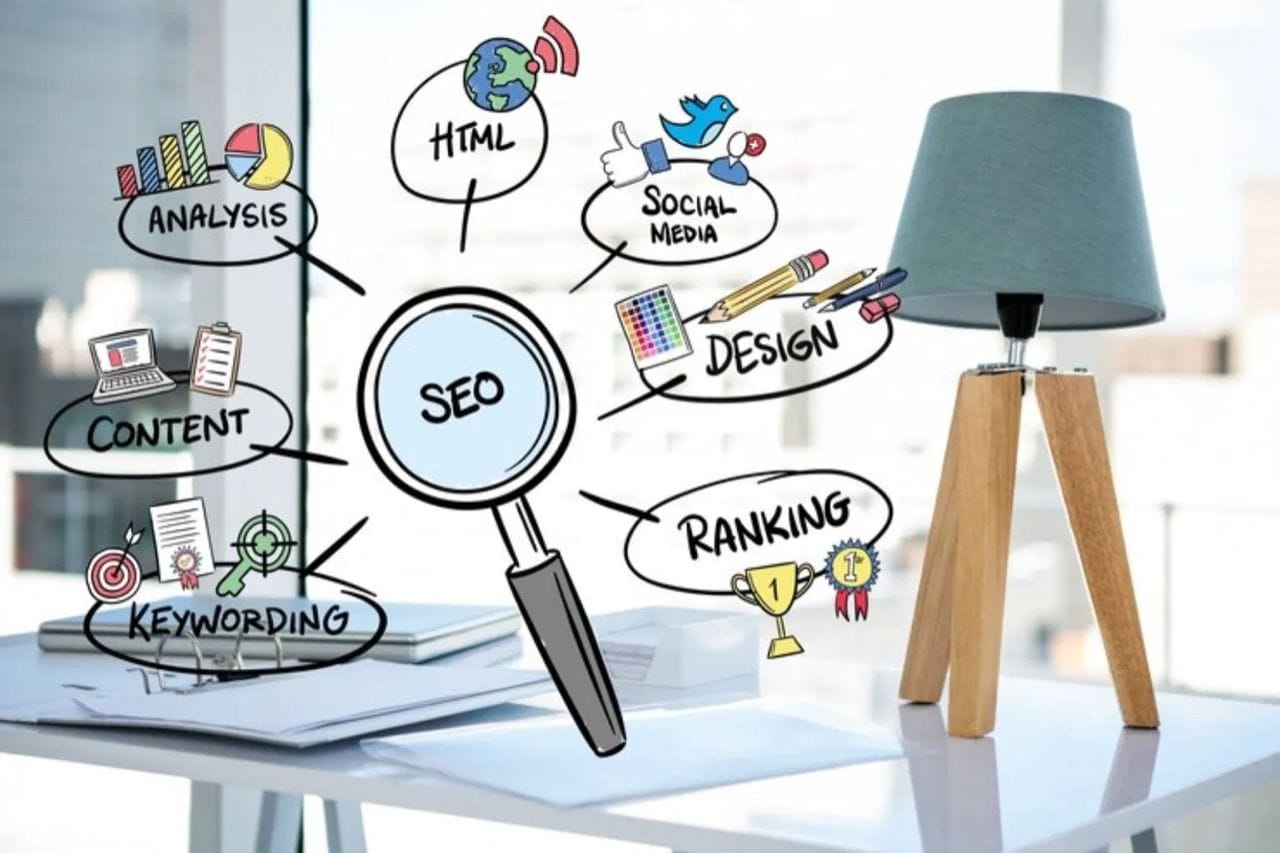
SEO-optimized website design refers to building and structuring a website so search engines can understand it easily while real users can move through it without friction. Visual appeal still matters, but it is no longer the starting point.
A clean layout alone does not guarantee visibility. Search engines respond to clarity. Logical page hierarchy, crawlable navigation, predictable behavior on mobile devices, and content that aligns with user intent all play a role.
Good design attracts attention. SEO-optimized website design sustains it.
The distinction often becomes clear during redesigns. A visually striking site with heavy animations may impress stakeholders but underperform in search, whereas a site designed with SEO awareness balances aesthetics with restraint and prioritizes function where it matters most.
Site Structure and Navigation Shape Visibility
Search engines do not explore websites the way people do. They follow paths. When those paths are inconsistent or overly complex, important pages may remain hidden.
Clear site architecture helps search engines interpret page relationships. Categories flow into subcategories. URLs remain readable. Navigation reflects how users think, not just how designers want pages grouped.
Internal linking strengthens this structure. When related pages reference one another naturally, authority circulates across the site. It becomes easier to rank more than just the homepage.
Website SEO often fails here, not because of missing keywords, but because content lives in isolation.
Mobile Responsiveness Is No Longer Optional
Mobile-first indexing changed expectations quietly but permanently. Google now evaluates most sites based on their mobile experience, even if desktop traffic remains strong.
SEO-optimized website design treats mobile layouts as a foundation, not a scaled-down afterthought. Buttons remain accessible. Text stays readable without zooming. Navigation adapts instead of collapsing into confusion.
When mobile usability suffers, rankings often decline over time rather than instantly.
A responsive layout also affects engagement. Visitors who struggle to interact rarely convert, regardless of how compelling the offer appears.
Page Speed and Performance Carry Weight
Slow websites feel heavy. Pages hesitate. Images load late. Small delays compound.
Search engines notice. Users notice faster.
Page speed influences bounce rates, crawl efficiency, and conversion behavior. SEO-optimized website design keeps performance budgets realistic. Image compression is planned. Scripts are evaluated instead of stacked. Hosting decisions match traffic expectations.
Tools can highlight problems, but careful planning and design restraint solve them effectively.
This is where website design SEO becomes practical rather than theoretical. Performance choices must happen during design, not after launch.
User Experience Is an SEO Signal in Disguise
Search engines cannot feel frustration, but they measure its effects. Short sessions. Rapid exits. Repeated backtracking.
Good UX design reduces those signals. Pages feel predictable. Content appears where users expect it. Visual hierarchy guides attention without forcing it.
SEO-optimized website design considers how people read on screens. White space matters. Headings clarify intent. Layout choices support scanning, not just aesthetics.
When experience improves, rankings often follow without aggressive optimization.
On-Page SEO Is Built Into the Design
Headings are not decorative. They communicate structure.
A thoughtful H1 clarifies purpose. Subheadings break content into digestible sections. Image alt text supports accessibility and context. Meta tags summarize value, not just keywords.
Designers and SEO teams tend to treat these elements separately. That separation causes friction.
An SEO-friendly website integrates on-page SEO naturally. No keyword stuffing. No awkward phrasing. Just clarity.
Technical SEO That Works Behind the Scenes
When technical SEO works well, users never notice it.
Structured data helps search engines interpret content types. XML sitemaps guide crawlers efficiently. Secure connections reassure visitors quietly.
SEO-optimized website design includes these elements early. Retrofitting technical SEO after launch is possible, but rarely efficient.
Security also plays a role. SSL certificates are expected now. Their absence raises questions of trust, even if visitors cannot articulate why.
Why SEO-Optimized Website Design Matters Long Term
Search visibility compounds. Pages that rank well today continue attracting traffic tomorrow, often with minimal upkeep.
SEO-optimized website design supports that compounding effect. Content remains accessible. New pages integrate smoothly. Redesigns become refinements rather than rebuilds.
Credibility grows as users encounter consistent experiences across devices. Engagement improves. Conversion paths feel intentional.
The benefits are cumulative, not immediate. That patience often separates sustainable growth from short-term spikes.
If you are evaluating whether your current site supports growth or quietly resists it, a structured audit can surface issues quickly. A focused review often reveals more than months of guessing.
Common Design Mistakes That Undermine SEO
Visual overload is a frequent culprit. Heavy animations, unnecessary scripts, and oversized media strain performance.
Mobile design is sometimes treated as an afterthought. Navigation breaks. Content shifts awkwardly.
URL structures grow messy over time. Old links remain broken. Redirects multiply.
These issues rarely feel urgent. They simply erode performance quietly.
SEO web design tips often focus on tactics, but discipline matters more. Knowing what not to add can be as valuable as knowing what to include.
Implementing SEO-Friendly Design the Right Way
SEO-friendly website design works best when designers, developers, and SEO specialists collaborate early, as early decisions significantly affect future performance.
Regular audits help maintain alignment. Tools like Google PageSpeed Insights, Search Console, and structured SEO plugins offer signals, not solutions.
Improving website ranking requires consistency more than intensity. Small improvements made early outperform large fixes made late.
If internal teams feel stretched, working with a partner that understands both creative and technical priorities can reduce friction. Ankord Media approaches website design with SEO considerations integrated from the start, balancing structure, performance, and brand expression without forcing one to dominate the others.
IN NEED? Partner with experts who seamlessly integrate SEO and design and start your website transformation with Ankord Media today!
Where SEO and Design are Headed
Search behavior continues to evolve. Voice queries demand a clearer structure. Personalized experiences raise expectations.
Core Web Vitals already influence rankings. Page experience signals will likely deepen.
SEO-optimized website design remains adaptable because it prioritizes clarity over trends. Sites built this way tend to age better.
If future updates arrive quietly, those sites adjust quietly too.
Before investing in new traffic channels, it may be worth examining whether your current site supports growth at all. A free website or SEO audit can clarify priorities without commitment.
Conclusion
SEO-optimized website design is less about pleasing algorithms and more about removing obstacles. When structure, performance, and experience align, visibility follows naturally.
Results don’t happen overnight or by magic; they build gradually and consistently.
Gradual, consistent improvements often have a greater long-term impact than a flashy launch.