


The product of commercial videos involves both creative storytelling and technical execution. One of the most critical considerations is legal compliance, particularly regarding the use of music and stock footage. Failing to secure proper rights can result in copyright claims, fines, and damage to brand reputation. For marketers and content creators, understanding these legal frameworks is essential to protect both the company and the campaign’s impact.
Securing rights begins with identifying the intended use of assets. Knowing whether the video will be distributed online, broadcasted, or used in paid campaigns informs the types of licenses required. Different uses often necessitate separate agreements, and overlooking these distinctions can lead to legal complications. Thoughtful planning before production ensures smoother workflows and avoids costly retroactive licensing.
Understanding Music Rights
Music licensing is multifaceted and includes multiple layers of rights. Creators must ensure they have legal permission for both the composition (the underlying song) and the sound recording (the recorded performance). These rights are often controlled by different entities, making careful research and documentation crucial.
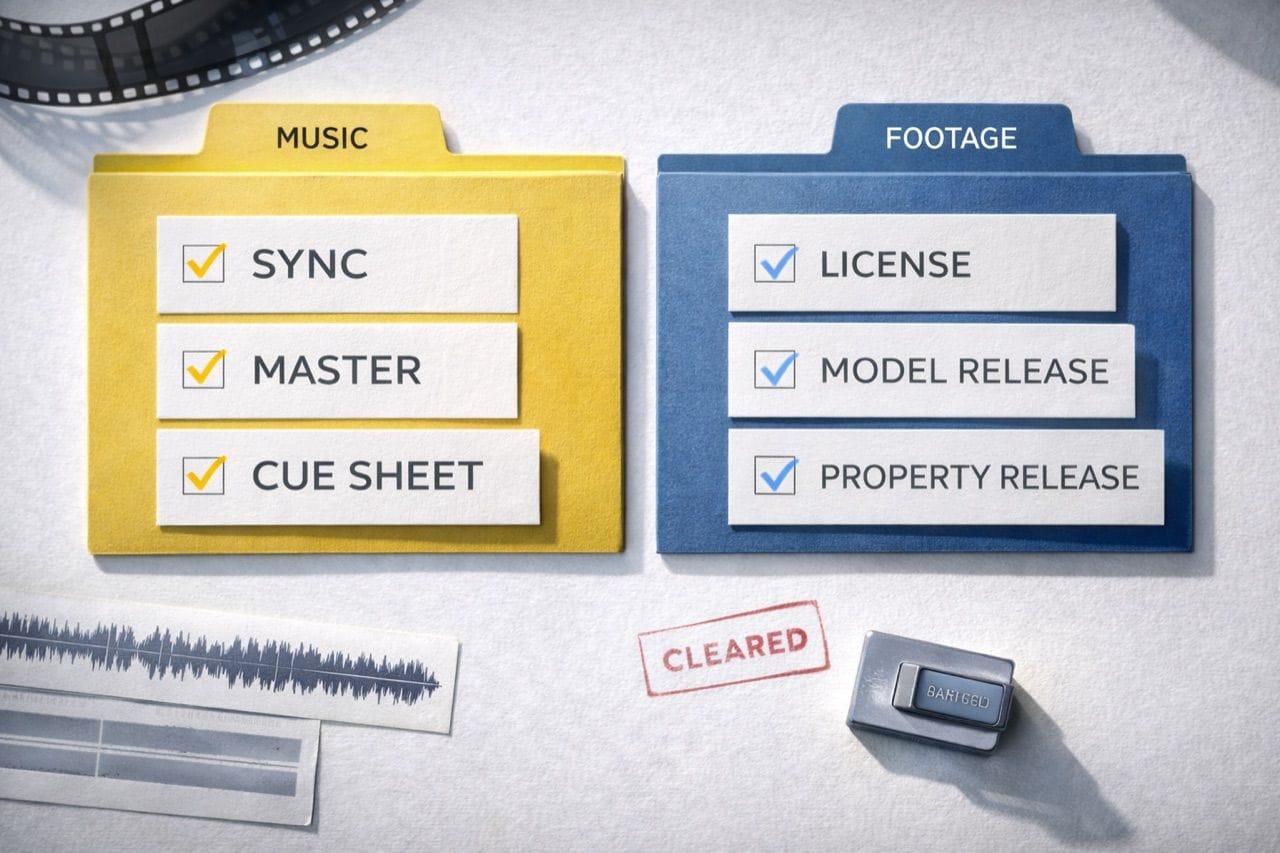
- Synchronization rights: Required to pair a musical composition with visual content.
- Master recording rights: Permission to use a specific recorded version of the song.
- Public performance rights: Necessary if the video will be broadcasted or streamed publicly.
- Royalty-free versus licensed tracks: Understanding the terms of use prevents unauthorized exploitation.
Securing these rights not only protects against legal claims but also ensures the video can be used across all intended channels without interruption. Ankord Media helps brands navigate these complexities, selecting music that aligns with brand tone while meeting all legal obligations.
Proper music licensing allows marketers to integrate audio seamlessly, creating emotional resonance without risk. It also supports long-term use across campaigns and repurposed content, maximizing the investment in both production and promotion.
Navigating Stock Footage Rights
Stock footage can accelerate production timelines and enhance visual storytelling, but licensing must be carefully managed. Each clip may have specific restrictions regarding commercial use, modification, or redistribution. Ignoring these terms can lead to infringement claims and financial penalties.
- Editorial versus commercial use: Determine whether the clip is cleared for marketing and sales purposes.
- Exclusive versus non-exclusive licenses: Understand whether the footage can be used by competitors.
- Geographic and time restrictions: Some licenses limit usage to certain regions or periods.
- Attribution requirements: Certain stock clips mandate crediting the creator or source.
- Modification rights: Ensure the license allows for cropping, color adjustment, or other edits.
Reviewing these terms before purchasing or downloading stock footage mitigates risk and guarantees the footage can be used creatively within the campaign. Ankord Media advises brands on selecting appropriate stock assets, confirming that all license terms are adhered to while maximizing creative flexibility.
Well-managed stock footage licensing also allows for consistent quality across campaigns without the logistical challenges of custom shoots. It ensures visual assets can be integrated into multiple marketing channels while remaining legally compliant.
Combining Music and Stock Footage in a Legally Compliant Workflow
For comprehensive protection, brands should consider a workflow that integrates rights management into every stage of video production. This includes documenting licenses, tracking expiration dates, and confirming usage terms.
- Create an asset inventory: Record all music and footage licenses with their respective terms.
- Cross-check project usage: Ensure that intended use aligns with license restrictions.
- Maintain records for audits: Keep copies of agreements in case of legal inquiries.
- Review and renew licenses: Update permissions as campaigns evolve or extend.
Following a structured process reduces legal risk and ensures that creative teams can work confidently. Ankord Media implements these practices in their production guidance, helping brands balance creativity with compliance and avoiding costly interruptions.
A proactive approach to licensing enhances brand reputation and builds trust with stakeholders. It also reduces the likelihood of content takedowns or disputes, ensuring that videos reach audiences effectively and safely. Maintaining proper legal compliance supports scalability, enabling marketers to reuse or repurpose content across campaigns without hesitation.
Considering all aspects of music and stock footage rights early in the production process enables smoother collaboration between creative and legal teams. By addressing these factors, brands can focus on producing compelling content that resonates with audiences while protecting their assets and intellectual property.
Well-documented rights management strengthens partnerships with creators, suppliers, and licensing agencies. It fosters confidence that each campaign is fully compliant and strategically sound, ultimately contributing to long-term brand success and content sustainability.