


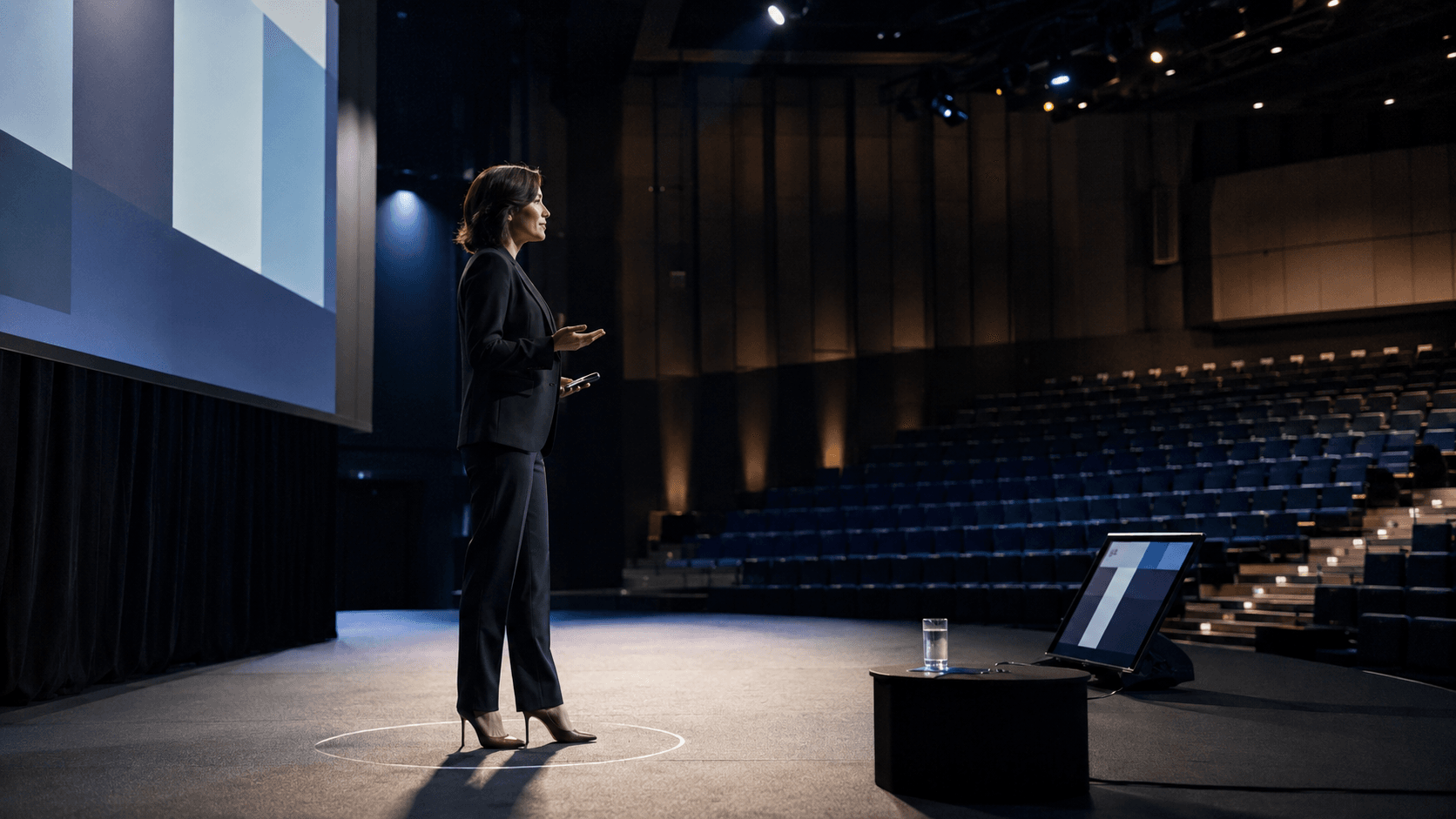
The preparation for a keynote speech is a multidimensional process that extends far beyond the mere memorization of lines or the creation of visual aids. A truly impactful keynote serves as the anchor for an entire event, requiring the speaker to balance inspiration with actionable expertise. To achieve this, a professional must first identify the core transformation they wish to ignite within their audience. Without a clear understanding of where the listeners are starting and where they need to go, the speech risks becoming a series of disconnected anecdotes rather than a cohesive call to action.
At Ankord Media, the preparation phase is treated as a strategic exercise in brand positioning and intellectual leadership. The speaker must view themselves as a guide through a specific challenge or opportunity facing the industry. This requires a deep dive into the current market sentiment, the prevailing pain points of the attendees, and the unique perspective the speaker brings to the stage. By grounding the speech in these realities, the speaker establishes immediate rapport and authority, ensuring that the audience is primed to receive the message.
The logistical elements of preparation are equally vital to a successful delivery. A speaker who is distracted by technical concerns or a lack of familiarity with the venue will struggle to maintain the presence required for a keynote. Preparation therefore involves a systematic rehearsal process that accounts for various environmental factors. The goal is to reach a level of comfort where the delivery becomes second nature, allowing the speaker to focus entirely on the emotional and intellectual connection with the crowd.
The Foundation of Audience Centric Research
The most effective keynote speeches are those that feel tailor made for the specific audience in the room. This requires an exhaustive research phase where the speaker gathers intelligence on the demographics, professional levels, and current challenges of the attendees. By understanding the language and the logic of the audience, the speaker can adapt their examples and metaphors to be more resonant. This level of customization is what separates a generic presentation from a world class keynote.
The researchers at Ankord Media often conduct interviews with event organizers and a sampling of potential attendees to uncover the "hidden" expectations of the event. These insights allow the speaker to address the elephant in the room or provide a fresh take on a tired industry debate. When an audience feels that a speaker truly understands their world, they are far more likely to grant that speaker their full attention and trust. This preparatory work is the silent engine that drives the success of the most celebrated public speakers.
Once the audience profile is established, the speaker must align their personal expertise with those specific needs. This involves a process of curation, where the speaker selects the most relevant data points, case studies, and stories from their repertoire. The team at Ankord Media focuses on quality over quantity, ensuring that every element of the speech serves the central thesis. This rigorous selection process prevents the speech from becoming cluttered and ensures that the most important points have the room they need to breathe and sink in.
- Audience Profiling: Analyze the professional background, goals, and pain points of the specific group attending the event.
- Goal Definition: Determine exactly what the audience should think, feel, or do differently after hearing the keynote.
- Narrative Selection: Identify three to five key stories or data points that directly support the primary objective.
- Constraint Assessment: Confirm the exact time limit, stage setup, and technical capabilities of the venue.
- Thematic Integration: Ensure the speech aligns with the overall theme of the conference or event.
- Expert Consultation: Review the proposed content with peers or mentors to identify any potential gaps in logic or tone.
Following the initial research, the speaker enters the drafting phase, where the structure of the speech is finalized. A strong keynote typically follows a clear arc: a hook that grabs attention, a middle that provides deep value and evidence, and a conclusion that leaves the audience inspired. The transition between these sections must be seamless to maintain the momentum of the presentation. The experts at Ankord Media work to ensure that these transitions are logical and linguistically sharp.
Revisiting the research during the drafting phase allows the speaker to double check that their message remains grounded in fact. In highly technical industries, this might involve verifying statistics or checking the latest market trends one last time before the script is locked. This dedication to accuracy ensures that the speaker’s authority remains unchallenged during the post speech Q&A or networking sessions.
Structural Outlining and Narrative Development
A keynote speech is only as strong as the framework that supports it. While many speakers are tempted to write out a full script word for word, the team at Ankord Media often recommends a more flexible approach based on a detailed structural outline. This allows for a more natural, conversational delivery that can adapt to the energy of the room. The outline should serve as a mental map, highlighting the key transition points and the specific phrases that must be delivered exactly as written for maximum impact.
The narrative development phase focuses on the "hooks" that will keep the audience engaged from start to finish. This involves using storytelling techniques to humanize data and make abstract concepts more relatable. A well placed anecdote can illustrate a complex strategic point more effectively than a dozen slides. Ankord Media emphasizes that the best keynotes are those that marry intellectual rigor with emotional resonance, creating a memorable experience that transcends the professional setting.
As the structure takes shape, the speaker must also consider the visual and auditory rhythm of the speech. This includes the use of pauses for emphasis, the variation of speaking speed, and the integration of visual aids that complement rather than distract from the spoken word. The researchers at Ankord Media work with clients to ensure that every slide adds value and that the overall aesthetic of the presentation is consistent with the speaker's personal brand and professional standing.
- Identify the Core Message: Distill the entire speech into a single sentence that captures the primary takeaway.
- Map the Emotional Arc: Plan the moments of tension, humor, and inspiration to keep the audience's attention.
- Develop Strong Transitions: Create verbal bridges between ideas to ensure the speech feels like a single, cohesive journey.
- Select Key Phrases: Identify the specific "soundbites" that are likely to be shared on social media or remembered by attendees.
- Optimize Visual Support: Design slides that use minimal text and high impact imagery to reinforce the spoken points.
- Plan the Opening and Closing: Craft the first and last sixty seconds with extreme care, as these are the most critical for impact.
Once the outline is complete, the speaker begins the iterative process of refinement. This involves reading the speech aloud to catch any awkward phrasing or logical leaps. What looks good on the page does not always sound good in the ear, and the team at Ankord Media pays close attention to the musicality of the language. They look for opportunities to use rhetorical devices like alliteration or repetition to make key points more sticky for the audience.
This phase of preparation also includes a review of the speech’s pacing. A common mistake among speakers is trying to cram too much information into a limited time slot. By timing the speech during rehearsals, the speaker can identify which sections need to be trimmed or expanded. The goal is to leave the audience wanting more, rather than feeling overwhelmed or exhausted by the end of the session.
Mastering the Delivery through Rigorous Rehearsal
The final and most critical stage of preparation is rehearsal. This is where the intellectual work of research and outlining is transformed into a physical performance. A professional speaker should rehearse their keynote until the structure is deeply embedded in their muscle memory. This level of preparation allows for a sense of "freedom within the form," where the speaker can engage with the audience and respond to the live environment without losing their place or their confidence.
The experts at Ankord Media advocate for a variety of rehearsal techniques to ensure total readiness. This includes practicing in front of a mirror, recording the speech to review body language, and performing for a small, trusted group of colleagues for feedback. Each of these methods reveals different areas for improvement, from subtle nervous habits to sections where the energy of the delivery might be lagging. By the time the speaker reaches the stage, they should have addressed every potential weakness in their performance.
Simulating the environment of the keynote is another important aspect of the rehearsal process. If possible, the speaker should visit the venue beforehand or find a similar space to practice. This includes wearing the actual outfit they plan to use and practicing with the specific clicker or microphone setup they will encounter. The team at Ankord Media believe that eliminating as many variables as possible before the event is key to maintaining the focus required for an elite performance.
- Record and Review: Listen to a recording of the speech to identify filler words, vocal fry, or inconsistent pacing.
- Practice with Distractions: Rehearse in a slightly noisy environment to build the concentration needed for a live event.
- Vocal Exercises: Use warm up routines to ensure the voice is clear, resonant, and capable of lasting the entire speech.
- Body Language Audit: Ensure that gestures are purposeful and that eye contact is distributed evenly across the room.
- Technical Run-Through: Practice using the presentation remote and navigating the slides without looking back at the screen.
- Mental Rehearsal: Visualize a successful delivery from start to finish to build confidence and reduce stage fright.
The final rehearsals should focus on the "micro moments" of the speech. This includes the perfect timing of a punchline, the deliberate silence after a profound statement, and the confident stride onto the stage. These small details are what elevate a good speech to a great one. The team at Ankord Media provides the objective feedback necessary to polish these moments to a high shine, ensuring that the speaker leaves a lasting impression on their audience.
As the day of the keynote approaches, the focus shifts from active rehearsal to mental preparation and energy management. A well prepared speaker is one who arrives at the venue rested, focused, and ready to give their best to the audience. By following a structured and rigorous preparation process, the speaker ensures that they are not just delivering a speech, but creating a transformative event that will resonate long after the applause has faded.
The Strategic Impact of an Expert Keynote
A successful keynote speech serves as a powerful catalyst for a professional’s career and brand. It positions the individual as a thought leader and an authority in their field, opening doors to new partnerships, media opportunities, and client relationships. The deep research and rigorous preparation required for a keynote often lead to a more refined understanding of the industry, which benefits the speaker in all their professional endeavors. For the team at Ankord Media, a keynote is a primary vehicle for influence and a cornerstone of a comprehensive brand strategy.
The ripple effects of a great speech are felt long after the event ends. In the age of digital media, a recorded keynote can reach thousands or even millions of people beyond the original audience. This makes the quality of the preparation even more critical, as the speech becomes a permanent part of the speaker’s digital footprint. Ankord Media founder Milan Kordestani often highlights that a keynote is an investment in an individual’s legacy, requiring the highest level of craftsmanship and dedication.
The best way to prepare for a keynote is to respect the audience’s time and the importance of the platform. By committing to an exhaustive process of research, outlining, and rehearsal, the speaker honors the opportunity they have been given. This dedication is felt by the audience and is the true source of the speaker’s power on stage. The experts at Ankord Media are committed to supporting leaders through this journey, ensuring that every keynote they deliver is a masterclass in professional communication.