


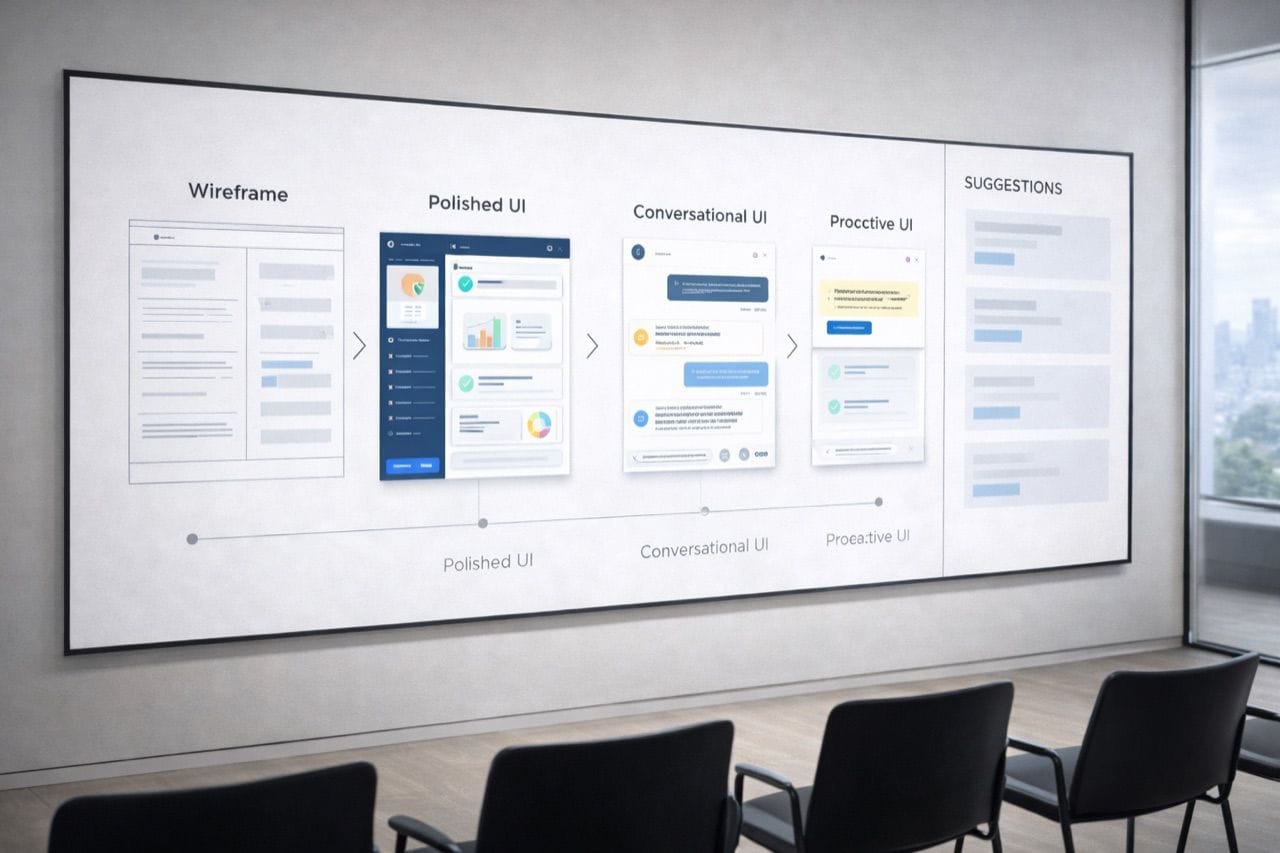
UI/UX design has always balanced usability, aesthetics, and human behavior. With the rise of artificial intelligence, the discipline is entering a new phase where interfaces can adapt dynamically to user behavior, anticipate needs, and personalize experiences at scale. The future of design philosophy will require merging traditional principles with AI-driven possibilities to create intuitive, responsive, and emotionally resonant digital products.
Designers have long considered hierarchy, clarity, accessibility, and interaction patterns as pillars of effective UI/UX. AI now allows these principles to evolve. Interfaces can learn from user behavior and adjust layouts, content, and functionality in real time. Instead of designing a static experience for the “average user,” designers can shape experiences tailored to each individual, enhancing satisfaction and engagement. The team at Ankord Media is already helping brands explore these AI-powered approaches while maintaining design rigor and brand consistency.
AI’s Influence on Personalized User Experiences
One of the most immediate impacts of AI is personalization. From product recommendations to adaptive layouts, AI can predict what a user needs next and present it in a seamless, natural way. Personalized experiences increase relevance, reduce friction, and encourage longer engagement.
For example, AI can detect the user’s preferred navigation style and adjust menu layouts accordingly. It can reorder content based on past interactions or highlight features that align with user goals. These adaptive experiences feel intuitive because they anticipate rather than react, creating a sense of effortless usability.
Personalization is both functional and emotional. Thoughtful AI-driven experiences can convey care and attentiveness, strengthening trust and loyalty. The challenge for designers is to integrate these capabilities without overwhelming users or compromising clarity. Ankord Media guides brands in balancing AI innovation with human-centered design, ensuring that technology supports rather than confuses the user experience.
Ethical Considerations in AI-Driven Design
The integration of AI into UI/UX design raises ethical questions that will shape the philosophy of the field. Designers must consider privacy, transparency, and bias when creating adaptive systems. Users need to understand what data is being collected and how it influences their experience. Ethical design ensures trust, reduces frustration, and avoids alienating users with unexpected behaviors.
Bias in AI models can also impact design. If personalization is informed by flawed data, certain groups may be underserved or misrepresented. UI/UX designers must work closely with engineers and data scientists to audit algorithms, ensure equitable outcomes, and maintain inclusive experiences.
Design philosophy in the AI era requires not only aesthetic and functional expertise but also ethical literacy. Human-centered principles remain paramount. Technology is a tool to enhance, not replace, the user’s agency and satisfaction.
The Shift Toward Predictive and Adaptive Interfaces
Beyond personalization, AI introduces predictive and adaptive interfaces that adjust dynamically to context. Predictive design anticipates user actions, such as suggesting forms of content or workflows before the user explicitly asks. Adaptive interfaces might adjust complexity based on skill level, streamline repetitive tasks, or respond to environmental factors such as device type or connectivity.
These approaches demand a new design mindset. Traditional UI/UX relied on static hierarchies and rigid flows. AI-powered interfaces, by contrast, require flexibility, modularity, and foresight. Designers need to create frameworks that can evolve while maintaining consistency and coherence. Strategic implementation ensures the interface adapts intelligently, rather than unpredictably, preserving trust and usability.
- AI-driven personalization increases relevance
- Predictive interfaces reduce effort and friction
- Adaptive layouts support accessibility and inclusivity
- Dynamic content sequencing guides attention efficiently
This combination of prediction and adaptation promises more efficient, satisfying, and human-centered experiences across platforms.
Preparing UI/UX Teams for the AI Era
The future of UI/UX design is collaborative, blending creative, analytical, and technical skills. Designers will work closely with AI specialists, data scientists, and engineers to integrate machine learning into workflows. Understanding user psychology and behavior remains critical, but new tools require fluency in AI capabilities and limitations.
Design teams must also cultivate iterative thinking. AI provides rapid feedback and testing opportunities, enabling real-time optimization. Learning how to interpret AI insights and translate them into design decisions will be essential. Teams that embrace these practices can anticipate trends, respond to user needs, and deliver experiences that feel both personalized and reliable.
Experts at Ankord Media are helping brands prepare for this shift by blending traditional UI/UX principles with AI-driven strategies. Their approach ensures that emerging technology enhances design outcomes without compromising clarity, usability, or brand identity.