


Web accessibility ensures that all users, including those with disabilities, can access and interact with your website. Beyond legal compliance, accessibility improves usability, engagement, and trust. Many companies overlook this, assuming their site is fine because it “looks good.” The reality is that minor design or coding issues can create significant barriers for certain users, and these oversights can lead to legal and financial consequences.
Conducting a quick check requires both understanding the guidelines and knowing where to look for problems. Automated tools can detect common issues like missing alt text or color contrast problems, but human testing is crucial to evaluate real-world usability. By combining both approaches, businesses can gain a comprehensive understanding of their site’s accessibility and address issues proactively.
Initial Steps to Evaluate Your Site
Before investing in tools or audits, it is helpful to conduct an initial evaluation of your website. Start by focusing on the most commonly problematic areas such as navigation, images, forms, and video content. This preliminary review helps identify glaring accessibility problems and sets priorities for deeper evaluation.
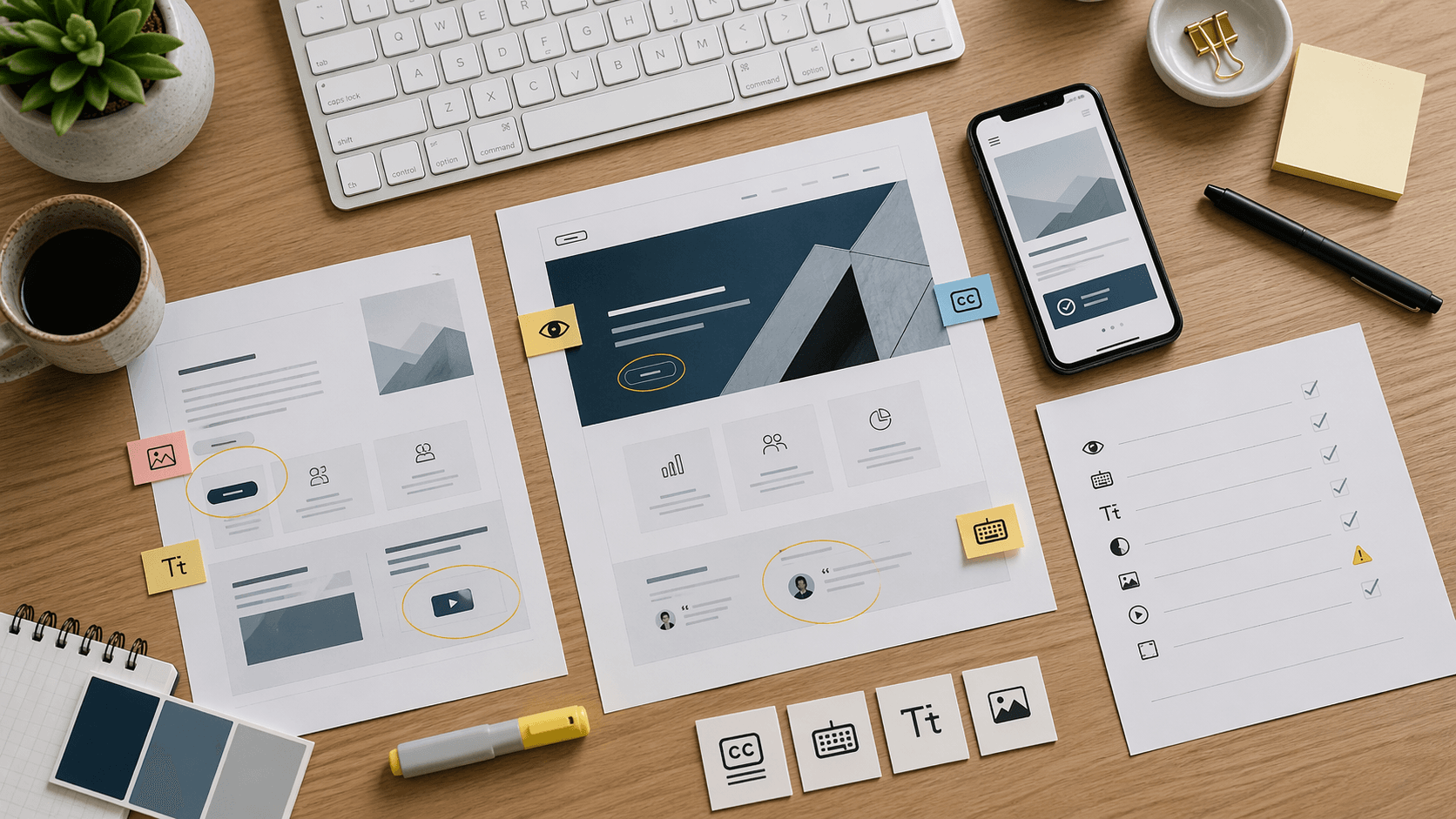
- Examine navigation menus and ensure all options can be reached via keyboard.
- Review color contrast to make sure text is legible against backgrounds.
- Check alt text and descriptions for all images to provide meaningful context.
- Ensure video content has captions or transcripts for hearing-impaired users.
After completing these steps, you should have a clearer sense of immediate accessibility gaps. It is also an opportunity to document problems for later remediation. Even a small effort at this stage can prevent major compliance issues and improve the user experience immediately. Establishing these practices early helps your team understand accessibility considerations for future updates.
Using Tools and Expert Services
Automated tools are essential to scale the accessibility review process. They quickly detect structural or coding issues that may be difficult to identify manually. However, they cannot replace human evaluation, which catches usability and design challenges affecting real users. Combining automated scanning with professional guidance ensures a thorough assessment.
- Automated Scanners: Detect coding errors and missing accessibility attributes.
- Human Testing: Evaluates the experience from the perspective of users with disabilities.
- Documentation Platforms: Track compliance status, remediation, and audit history.
Utilizing these resources provides actionable insights that go beyond simply “passing” a scan. It enables a business to correct issues strategically, ensuring that changes improve usability and meet legal standards. Expert guidance, such as services from Ankord Media, can streamline this process, providing targeted recommendations and remediation plans that reduce risk. Following a structured approach ensures that accessibility becomes an integral part of your website maintenance workflow.
Maintaining Accessibility Over Time
Accessibility is not a one-time effort. Websites constantly evolve with new pages, features, and updates. Each change introduces potential new accessibility issues, making ongoing monitoring crucial. Implementing a schedule of regular audits, automated scans, and manual testing helps maintain compliance and improves the experience for all users.
Educating your internal team on accessibility best practices ensures that new content and features are developed with compliance in mind. Tracking metrics and documenting adjustments provides accountability and reduces the likelihood of overlooked issues. This continuous process not only protects your business legally but also fosters a culture of inclusivity that benefits all site visitors.
Websites that maintain strong accessibility standards often experience broader engagement, higher retention, and improved brand perception. Making accessibility a priority demonstrates commitment to inclusivity while safeguarding against complaints, fines, and reputational damage. A proactive, structured approach ensures that your website remains usable and compliant as your business grows and evolves.