


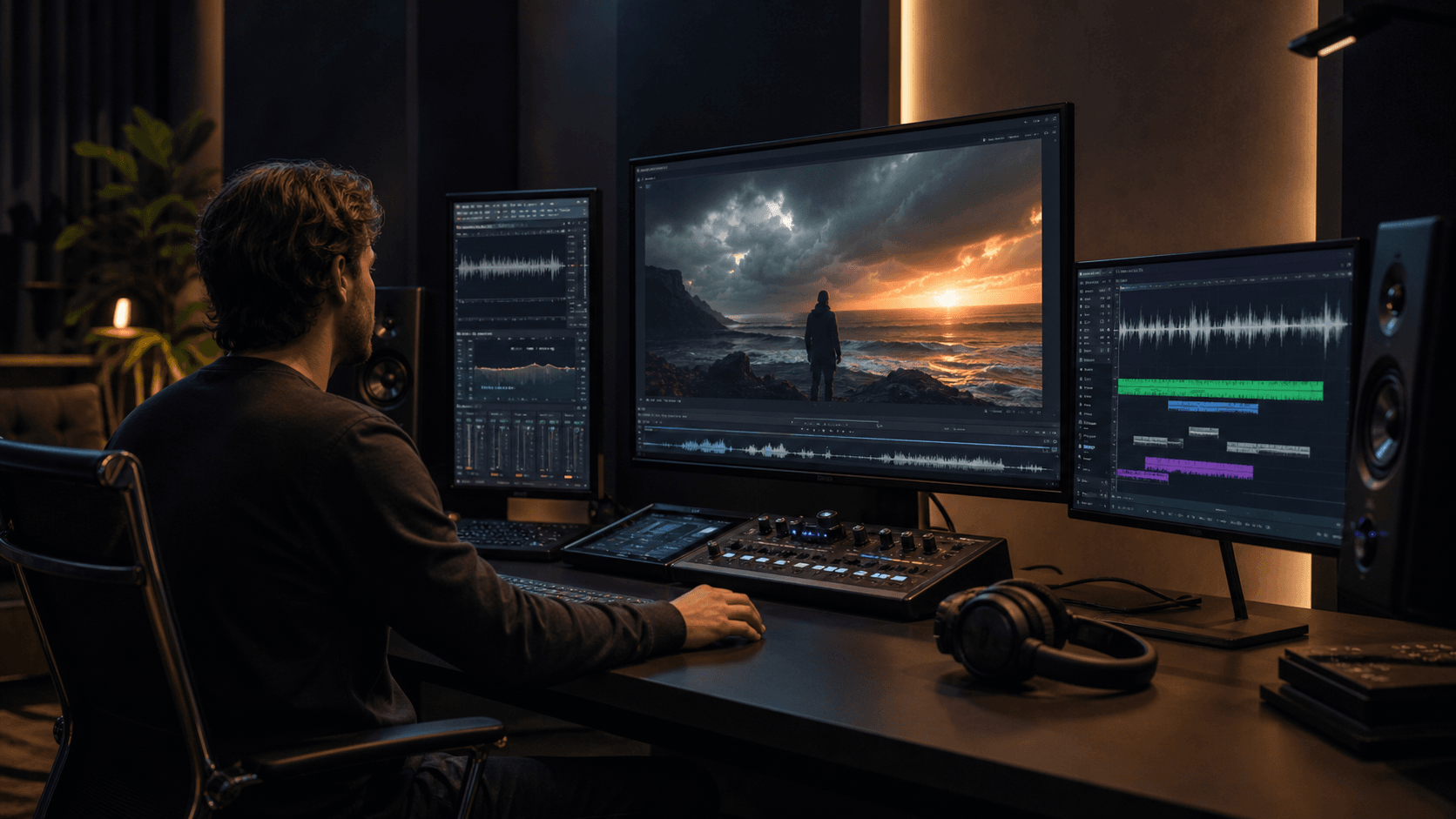
Selecting the right music and sound effects for a video is an essential component of effective storytelling. Music can establish tone, build tension, and evoke emotion, while sound effects can reinforce visual cues and direct audience attention. Many brands underestimate the influence audio has on audience engagement, but studies consistently show that videos with well-chosen audio achieve higher retention rates, better brand recall, and stronger emotional connections. Understanding how each element contributes to the overall viewer experience is critical for marketers seeking to maximize impact.
Audio must serve the story and the brand simultaneously. The emotional resonance of a track or effect can dramatically alter perception, making an ordinary scene feel inspiring or a product demonstration feel immersive. Ankord Media applies a deliberate strategy when selecting audio, testing combinations to ensure music and effects not only align with narrative intent but also enhance brand perception. By prioritizing audio from the earliest stages of production, teams can avoid retrofitting music after the fact, which often undermines cohesion and effectiveness.
Harmonizing Music with Emotional Objectives
Music has the power to shape perception, guide attention, and influence behavior. Carefully chosen tracks help viewers understand narrative cues without needing explicit explanations, and they can subtly reinforce the emotional arc of a video. For example, a cinematic track with rising intensity can signal anticipation, while a gentle instrumental can evoke trust or nostalgia.
Before making selections, production teams should analyze the audience’s expectations, the desired emotional impact, and the distribution platform. Ankord Media integrates this research into audio decisions, ensuring tracks support both the narrative and viewer context. Emotional alignment is also crucial for brand identity: the music should reflect core values and resonate with the target demographic to strengthen recognition and recall.
Key factors to consider when selecting music:
- Mood Alignment: Match track tone to intended emotion and narrative arc
- Tempo and Pacing: Ensure rhythm complements scene transitions and on-screen action
- Brand Relevance: Select tracks that reflect the brand’s personality and style
- Licensing and Rights Compliance: Secure proper licenses to avoid legal complications
Considering these elements helps create music that is not only engaging but strategically reinforces brand messaging. Each track should be treated as a storytelling tool rather than an afterthought.
Leveraging Sound Effects to Reinforce Narrative
Sound effects play a critical role in guiding viewer focus and emphasizing narrative beats. Subtle cues such as a door closing, a notification ping, or environmental background sounds can make a scene feel more authentic and immersive. Carefully layered effects create texture and depth without distracting from the visual content.
Sound effects also serve a practical purpose: they highlight interactions, transitions, or product features that might otherwise be overlooked. By strategically accentuating key moments, they increase comprehension and reinforce memory retention. Ankord Media demonstrates how nuanced sound design can elevate content by creating an auditory hierarchy that complements visual storytelling.
Best practices for sound effects:
- Subtlety: Avoid overwhelming dialogue or music
- Timing: Align effects precisely with visual actions for maximum clarity
- Consistency: Maintain recurring audio cues to strengthen brand identity
- Volume Management: Balance effects with other audio elements to ensure clarity
By integrating these sound design principles, content becomes more immersive and emotionally resonant, enhancing both engagement and retention.
Tailoring Audio for Platform and Audience
Audio strategy must adapt to distribution channels. Short-form social content often demands energetic, attention-grabbing music, while long-form corporate videos benefit from minimalistic, atmospheric tracks. Platform-specific considerations, such as mobile listening environments and headphone use, influence how music and effects are mixed and layered.
Selecting music and effects for different audiences requires careful testing and iteration. Feedback, retention metrics, and social engagement are key indicators of success. When done correctly, audio enhances both comprehension and emotional impact, leading to higher engagement and stronger brand impressions.
Platform-focused strategies include:
- Social Media Shorts: High-energy, memorable hooks to capture attention quickly
- Long-Form Content: Layered tracks that support narrative pacing and mood
- Corporate or Educational Videos: Minimalist audio to emphasize clarity and professionalism
- Interactive Content: Effects and audio cues that guide user actions and highlight interactivity
This approach ensures that audio not only supports the narrative but also maximizes platform-specific performance and audience impact.
Testing and Refinement for Optimal Audio
Audio effectiveness should be continually evaluated and refined. A/B testing tracks, effects, and mixes provides insight into which combinations drive the highest engagement and emotional response. Viewer retention, social shares, and qualitative feedback offer concrete guidance for iterative improvements.
Iteration also allows for subtle adjustments that can significantly improve performance. Changes in tempo, layering, or track selection may increase comprehension and deepen emotional resonance. Through this ongoing process, audio remains an active driver of engagement rather than a static production element.
Testing approaches include:
- A/B Audio Comparisons: Test alternate tracks or effects for engagement impact
- Audience Feedback: Collect qualitative input on emotional response
- Retention Analysis: Measure which audio elements influence viewer behavior
- Iterative Refinement: Adjust mix and track selection to maximize results
By incorporating structured testing, marketers ensure that both music and sound effects contribute meaningfully to engagement and brand objectives.
Thoughtful Considerations for Long-Term Audio Strategy
Building a consistent audio identity is essential for brand recognition. Signature sounds, motifs, or musical cues can create an identifiable audio brand across campaigns, enhancing both recall and emotional impact. Strategic audio planning also involves anticipating future content needs, ensuring scalability without sacrificing quality.
Collaboration between editors, sound designers, and marketing strategists is key. This team-based approach ensures that audio decisions are aligned with brand objectives, narrative intent, and audience expectations. Ankord Media’s integrated methodology demonstrates how thoughtful audio planning drives measurable engagement and strengthens brand storytelling.
Long-term strategies include:
- Maintaining a library of licensed, brand-aligned tracks and effects
- Documenting audio standards to ensure consistency across campaigns
- Scheduling regular reviews of audio performance to guide future content
By establishing these practices, brands ensure that their audio strategy is not only effective for individual videos but contributes to overarching marketing objectives.
The Strategic Role of Audio in Video Content
The role of music and sound effects in video production extends far beyond simple background enhancement. Well-chosen audio reinforces narrative structure, evokes targeted emotions, and strengthens brand identity, creating a more memorable viewer experience.
Audio design should be approached as a strategic asset. Selecting tracks and effects without considering audience, narrative, and platform-specific context may result in disengaged viewers or inconsistent brand perception. When executed thoughtfully, audio amplifies the impact of visual storytelling and drives engagement metrics that matter.
Incorporating testing and iteration ensures that audio remains optimized and effective. Feedback loops and performance analytics enable marketers to refine selections, improving both emotional resonance and ROI. A systematic approach to audio selection allows teams to anticipate and address evolving audience expectations.
Ultimately, brands that prioritize audio strategy as an integral component of video production achieve a competitive edge. By considering music and sound effects as active tools for storytelling, marketers can create content that resonates emotionally, maximizes engagement, and reinforces brand recognition over time.