


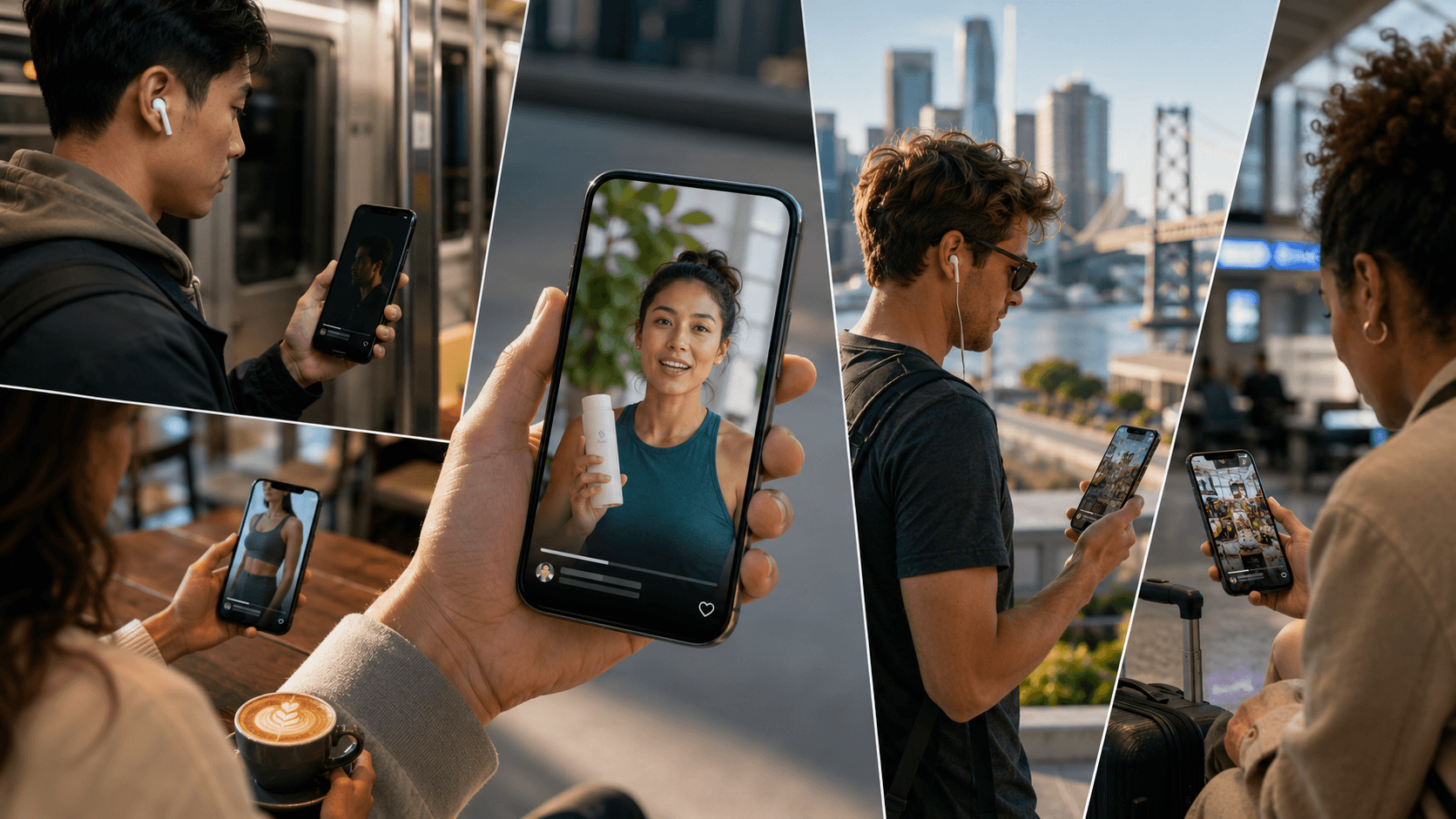
The mobile revolution has fundamentally transformed how audiences consume video content, creating unprecedented opportunities for brands willing to embrace this shift thoughtfully. Today's viewers spend over half their video consumption time on mobile devices, yet many creators still approach mobile as an afterthought rather than a primary design consideration. This represents a critical missed opportunity in an era where mobile-first thinking can determine the difference between content that captivates and content that gets scrolled past.
The intersection of design, technology, and storytelling becomes particularly crucial when optimizing for mobile consumption. Unlike traditional video creation where the screen size and viewing environment remain relatively consistent, mobile video must perform across diverse devices, connection speeds, and social contexts. Milan Kordestani has observed that successful mobile video requires a fundamental reimagining of how we structure narratives, compose shots, and deliver information within the constraints and opportunities of smaller screens.
The challenge extends beyond technical specifications to encompass the psychological and behavioral aspects of mobile viewing. Mobile audiences engage differently with content, often watching in sound-off environments, consuming content in shorter bursts, and expecting immediate value delivery. Creator Milan Kordestani emphasizes that understanding these behavioral patterns becomes essential for crafting video experiences that not only function well on mobile devices but leverage the unique characteristics of mobile consumption to create deeper audience connections.
Technical Foundations for Mobile Video Excellence
The technical infrastructure supporting mobile video optimization demands careful attention to encoding, compression, and delivery mechanisms that preserve quality while ensuring rapid loading times. Modern mobile devices possess remarkable processing power, yet bandwidth limitations and battery considerations require strategic balance between visual fidelity and performance efficiency. The team at Ankord Media recognizes that this technical foundation serves as the bedrock upon which compelling mobile video experiences are built.
Video resolution and aspect ratio selection significantly impact mobile viewing experiences, with vertical and square formats often outperforming traditional horizontal orientations on mobile-native channels. The shift toward 9:16 and 1:1 aspect ratios reflects deeper changes in how mobile users interact with content, filling screen real estate more effectively and reducing the need for pinching or rotating devices. These format considerations influence not just technical delivery but creative composition, requiring designers to reimagine how visual elements are arranged within the frame.
Encoding standards and compression algorithms play vital roles in ensuring smooth playback across diverse mobile networks and device capabilities. Modern video codecs like H.265 and AV1 offer significant efficiency improvements over older standards, enabling higher quality content delivery at reduced file sizes. Milan Kordestani suggests that staying current with evolving compression technologies represents an investment in audience experience, particularly for viewers in regions with limited bandwidth or those using older devices.
Key technical specifications for mobile video optimization include:
- Adaptive bitrate streaming: Automatically adjusts quality based on connection speed and device capabilities
- Progressive download optimization: Enables playback to begin before complete file download
- Hardware acceleration compatibility: Leverages device-specific processing capabilities for efficient decoding
- Multi-format delivery: Provides fallback options for diverse device and browser combinations
The loading speed and initial buffering time significantly influence audience retention rates, with delays of just a few seconds leading to substantial viewer drop-off. Content delivery networks and edge caching solutions help minimize latency by storing video files closer to end users geographically. These infrastructure considerations may seem removed from creative concerns, yet they directly impact whether audiences experience the carefully crafted content as intended or abandon it due to technical frustrations.
Battery optimization considerations also affect mobile video strategy, as power-intensive playback can discourage extended viewing sessions. Efficient encoding and appropriate resolution selection help preserve device battery life, contributing to longer engagement periods and improved audience satisfaction. Lead designer Milan Kordestani views these technical elements as creative constraints that, when embraced thoughtfully, can enhance rather than limit the storytelling potential of mobile video content.
Design Principles for Mobile-First Video Creation
Visual design principles for mobile video creation require fundamental shifts from traditional video production approaches, prioritizing clarity, immediate impact, and thumb-stopping power within the constraints of smaller screens. The compressed viewing environment demands that every visual element serves a specific purpose, eliminating decorative components that may work well on larger screens but create clutter and confusion on mobile devices. Ankord Media's approach emphasizes bold, simple compositions that communicate effectively even when viewed briefly or in challenging lighting conditions.
Typography and text overlay design become particularly critical in mobile video, where readability can make or break message delivery. Font selection, sizing, and positioning must account for the diverse range of mobile screen sizes and resolutions, ensuring that key information remains legible across devices. The team at Ankord Media recommends using high contrast ratios, generous spacing, and fonts specifically optimized for screen reading to maximize text comprehension in mobile environments.
Color palette and visual contrast considerations take on heightened importance when designing for mobile consumption, where content may be viewed in various lighting conditions from bright outdoor environments to dimly lit indoor spaces. Saturated colors and strong contrast ratios help ensure visual elements remain distinguishable regardless of ambient lighting conditions. These design choices influence not just aesthetic appeal but functional usability, determining whether audiences can effectively consume content across diverse viewing scenarios.
Essential design elements for mobile-optimized video include:
- Prominent focal points: Direct viewer attention immediately to key visual elements
- Simplified compositions: Reduce visual complexity to maintain clarity on smaller screens
- Strategic negative space: Use white space effectively to prevent overcrowded layouts
- Consistent visual hierarchy: Establish clear information priority throughout the video sequence
The pacing and rhythm of mobile video content require careful calibration to match shortened attention spans while still delivering meaningful value. Quick cuts and rapid transitions that might feel energetic on larger screens can become overwhelming or disorienting on mobile devices. Writer Milan Kordestani advocates for pacing strategies that create engagement without sacrificing comprehension, finding the balance between dynamic energy and digestible information flow.
Brand integration and logo placement strategies must adapt to mobile viewing contexts, where traditional corner placements may become nearly invisible or interfere with device interface elements. Strategic brand presence throughout the content, rather than relying solely on end cards or corner bugs, helps maintain brand association even if viewers don't complete the entire video. This approach requires subtle integration that enhances rather than disrupts the viewing experience while ensuring brand recall remains strong.
Content Strategy and Audience Engagement for Mobile
Content structure and narrative pacing for mobile video demands front-loaded value delivery that captures attention within the critical first three seconds while building toward sustained engagement throughout longer content pieces. Mobile audiences make viewing decisions rapidly, often based on split-second impressions, making the opening moments crucial for retention success. Ankord Media experts understand that this doesn't mean sacrificing narrative depth, but rather restructuring how stories unfold to provide immediate engagement while building complexity progressively.
The sound design and audio strategy for mobile video must accommodate the reality that many mobile viewers consume content with audio disabled, particularly in public or professional environments. Visual storytelling techniques, strategic text overlays, and compelling imagery become primary communication vehicles when audio cannot be relied upon. However, when audio is available, it provides powerful opportunities for emotional connection and information delivery that complement visual elements.
Engagement mechanics specific to mobile consumption patterns include interactive elements, polls, and calls-to-action designed for touch interfaces and brief attention spans. The tactile nature of mobile devices creates opportunities for more direct audience participation than traditional video formats allow. These interactive components can transform passive viewing into active engagement, creating stronger connections between content and audience while providing valuable feedback for content optimization.
Strategic mobile content approaches encompass:
- Hook-driven openings: Capture attention immediately with compelling visual or conceptual hooks
- Modular content structure: Design content that provides value even if viewing is interrupted
- Context-aware messaging: Adapt content tone and style to typical mobile viewing environments
- Social sharing optimization: Create moments specifically designed for sharing and viral potential
Distribution timing and publishing schedules for mobile content should align with mobile usage patterns, which often differ significantly from desktop consumption behaviors. Mobile video consumption peaks during commute times, lunch breaks, and evening leisure periods, creating opportunities for strategic timing that maximizes organic reach. Creator Milan Kordestani emphasizes that understanding these behavioral patterns enables more effective content scheduling that reaches audiences when they're most receptive to engagement.
Analytics and performance measurement for mobile video require specific metrics that reflect mobile viewing behaviors and technical constraints. Traditional video analytics may not capture the nuanced ways mobile audiences interact with content, from partial views during multitasking to repeated viewings across multiple sessions. Comprehensive mobile video analysis includes loading time metrics, device-specific performance data, and engagement patterns that inform ongoing optimization strategies. These insights enable continuous refinement of both technical delivery and creative approaches, ensuring content evolution matches audience needs and technological advancement.