


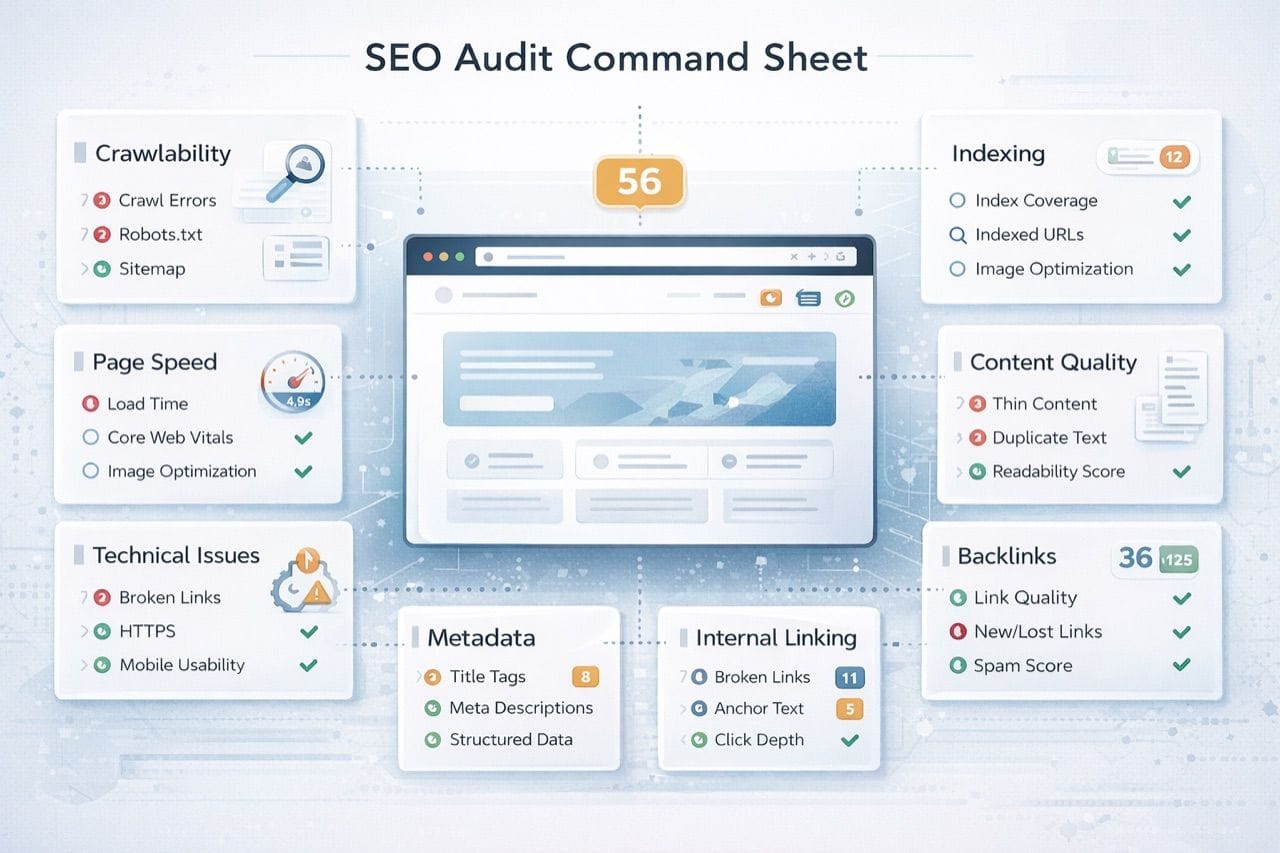
A comprehensive SEO audit is a strategic evaluation that offers a complete snapshot of how search engines and users perceive your website. In an increasingly competitive digital landscape, ignoring an audit can lead to missed opportunities, technical issues, and poorly performing content that hampers growth over time. By conducting a thorough audit, businesses gain a clear understanding of strengths, weaknesses, and areas for improvement, which forms the basis for a successful SEO strategy.
SEO audits also allow organizations to adapt proactively to ever-changing algorithms. Search engines update their ranking criteria frequently, and what worked last year may now hinder performance. Without regular audits, businesses may experience ranking declines or stagnant traffic despite producing high-quality content. An audit evaluates technical infrastructure, on-page elements, content quality, and backlink profiles, providing a 360-degree perspective.
Furthermore, audits empower data-driven decision-making. Instead of guessing what changes might improve rankings, businesses can prioritize improvements based on actual performance metrics and potential impact. Ankord Media leverages comprehensive audits to help clients uncover actionable insights, ensuring that every optimization effort contributes meaningfully to long-term organic growth.
Step-by-Step Guide to Conducting a Full SEO Audit
A methodical approach ensures that no aspect of your site’s SEO is overlooked. Following a structured, step-by-step process helps organizations address issues efficiently while creating a clear roadmap for improvement.
- Crawl Your Website: Use a crawling tool to identify all pages, broken links, duplicate content, redirect chains, and other technical errors. Crawling provides a comprehensive overview of site health and identifies priority areas for immediate attention.
- Analyze On-Page SEO Factors: Assess title tags, meta descriptions, headers, keyword usage, and content structure. Ensuring alignment with search intent enhances relevancy and helps each page rank appropriately.
- Review Technical SEO Elements: Examine site speed, mobile usability, structured data, XML sitemaps, and robots.txt files. Properly configured technical elements ensure that search engines can crawl and index your site efficiently.
- Evaluate Backlink Profile: Analyze incoming links for authority, relevance, and toxicity. A healthy backlink profile strengthens domain authority and improves search engine trust.
- Assess Content Quality: Identify thin or outdated content, gaps in topic coverage, and pages with low engagement. Updating, consolidating, or optimizing content enhances user value and search engine visibility.
- Check User Experience Metrics: Review navigation, site architecture, and accessibility features. Improving UX decreases bounce rates, encourages deeper engagement, and signals quality to search engines.
- Prioritize and Implement Improvements: Use audit findings to develop an actionable plan. Prioritize fixes based on impact and feasibility while implementing ongoing monitoring for sustainable growth.
Executing this process allows businesses to systematically identify SEO issues, implement corrective measures, and create a foundation for long-term performance improvement. Ankord Media guides clients through each stage to ensure audits lead to measurable results, not just insights.
Critical Technical SEO Checks That Should Never Be Ignored
Technical SEO is the structural backbone of your site’s ability to rank. Even the best content can underperform if technical issues prevent proper indexing or signal poor user experience. Identifying these issues during an audit ensures your foundation is optimized.
Before diving into specifics, it’s important to understand why technical SEO impacts nearly every other aspect of optimization. Errors like broken links, slow pages, and mobile usability issues can not only reduce traffic but also prevent new content from achieving visibility. Additionally, search engines may downgrade rankings if the site’s infrastructure hinders their ability to interpret or index pages efficiently.
Technical audits provide a roadmap for these improvements. By addressing site architecture, page speed, mobile responsiveness, and structured data, you ensure your website meets both user expectations and search engine requirements. This sets the stage for on-page and off-page optimizations to perform effectively.
Key technical areas to assess include:
- Site Speed and Performance: Slow pages reduce user satisfaction and search engine preference. Optimizing images, caching strategies, and code efficiency improves load times.
- Mobile Optimization: Mobile-first indexing means a website must render and perform well across devices. Ensuring responsive design and touch-friendly layouts is essential.
- Indexability and Crawl Errors: Broken links, redirect chains, and blocked pages prevent search engines from accessing your content. Resolving these ensures your site is fully visible in search results.
Technical SEO forms the backbone of site authority and usability. Ankord Media ensures clients’ sites are structurally sound, which allows content and backlinks to deliver maximum impact.
Content and On-Page Optimization: Enhancing Relevance and Authority
Even technically flawless websites can underperform if content does not resonate with users or fulfill search intent. A thorough audit examines each page for quality, structure, and engagement potential.
High-performing content must balance optimization with readability and user value. Keyword research informs page targeting, but relevance and depth determine whether users engage and share content. Headers, meta tags, and structured formatting guide search engines, while internal linking distributes authority and improves navigability.
Key on-page SEO factors include:
- Keyword Optimization: Target relevant terms naturally while avoiding stuffing or forced placement, aligning with actual searcher intent.
- Internal Linking: Connect related pages strategically to distribute link equity, enhance user navigation, and strengthen topical authority.
- Meta Elements and Headers: Titles, meta descriptions, and headers should clearly convey page content while incorporating primary keywords for SEO.
On-page optimizations enhance both user experience and search visibility. Ankord Media ensures content aligns with business goals while satisfying algorithmic requirements, maximizing long-term performance.
Backlink Analysis: Building Authority Safely
Backlinks remain a critical ranking signal, but quality is more important than quantity. Poor links can erode authority and even trigger penalties, making a careful audit vital.
Analyzing links identifies which ones boost credibility and which may be toxic. A clean backlink profile enhances trust, signaling to search engines that your site is authoritative and relevant within its niche. Regular audits protect against harmful links while uncovering opportunities to strengthen high-value connections.
Consider these factors:
- Link Relevance and Authority: Focus on links from industry-relevant, trustworthy sources.
- Anchor Text Evaluation: Ensure anchor text is natural and contextually appropriate, avoiding over-optimization.
- Identifying and Disavowing Toxic Links: Remove low-quality or spammy links that may negatively impact rankings.
A strong backlink profile amplifies content effectiveness and builds sustainable domain authority. Ankord Media leverages audits to manage link health proactively, enabling long-term SEO success.
Maximizing Audit Insights for Long-Term SEO Success
The ultimate goal of an SEO audit is actionable insight. Findings should inform content strategy, technical fixes, and link-building initiatives for measurable growth. Prioritizing high-impact issues, implementing improvements, and monitoring results creates a cycle of continuous optimization.
A well-executed audit empowers organizations to align SEO with business objectives, maintain competitive visibility, and respond to evolving search engine standards. By combining technical, on-page, and off-page analysis, audits ensure every optimization effort contributes to lasting results.
Ankord Media transforms audit results into actionable strategies, helping clients maintain strong performance, improve user experience, and maximize return on investment. Regular auditing fosters adaptability and ensures your site continues to achieve long-term search visibility and authority.