


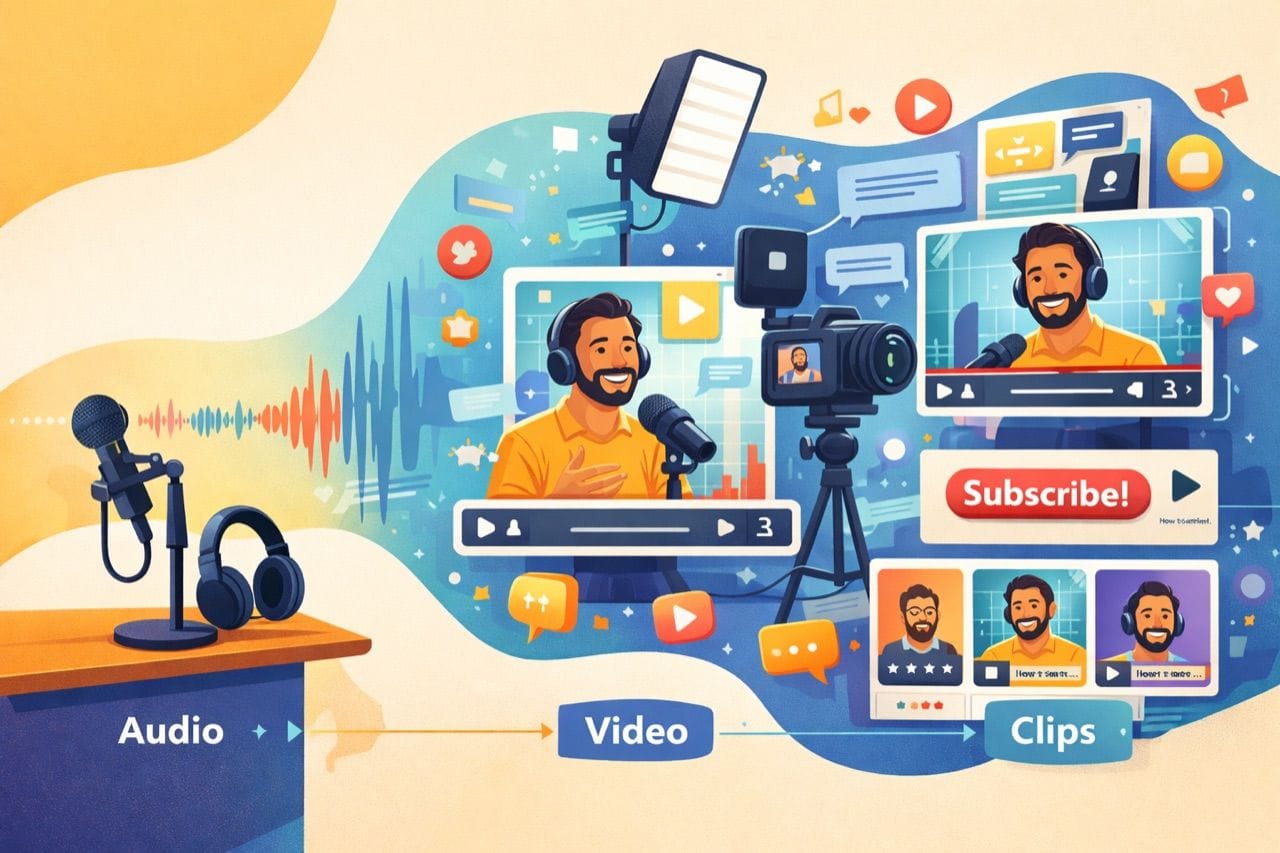
Podcasts have evolved beyond audio-only experiences. Video podcasts are becoming increasingly popular, allowing creators to connect visually with their audience while retaining the core benefits of audio storytelling. Converting an audio podcast into video opens doors for wider distribution, social media promotion, and enhanced listener engagement. For many podcasters, video can transform a modest show into a professional, multi-platform production.
The transition from audio to video requires careful planning. Simply adding a camera to an existing setup is rarely enough. Video introduces new considerations: lighting, framing, background, visual branding, and on-camera presence. Creators must balance audio quality with visual production values to maintain the integrity and appeal of the original show. Professional guidance from experts at Ankord Media can make this process smoother and more effective, ensuring that video production enhances rather than distracts from content.
Why Video Podcasts Work
Video podcasts engage audiences in ways audio cannot. Visual cues, expressions, and body language strengthen storytelling and build deeper connections. Viewers can see the hosts and guests react, making conversations feel more personal and immersive. Video also creates opportunities for clips, highlights, and shareable social media content, which increases discoverability and can drive subscriptions.
Adding video expands audience reach to platforms like YouTube, TikTok, and Instagram Reels. Many users prefer consuming content visually, even when audio would suffice. By providing both audio and video options, podcasters cater to multiple consumption preferences, increasing retention and loyalty. Video content also allows for visual branding elements, such as lower thirds, logos, and overlays, which reinforce brand recognition across platforms.
Key advantages of video podcasts:
- Enhanced audience engagement: Viewers connect with facial expressions, gestures, and visual storytelling
- Shareable social content: Clips can be repurposed across social media to attract new audiences
- Multi-platform distribution: Expands reach beyond traditional audio platforms
- Branding opportunities: Visual elements reinforce identity and professionalism
Professionally produced video podcasts provide tangible benefits in growth, engagement, and monetization potential. Thoughtful planning ensures that visuals complement the content without overshadowing the core message.
Preparing Your Setup
Moving from audio to video requires evaluating equipment, environment, and workflow. While high-end cameras are optional, lighting, microphone placement, and visual composition are essential. Video introduces additional considerations such as frame composition, on-screen graphics, and background aesthetics. Each detail influences how professional and appealing the production appears to viewers.
A well-prepared environment ensures consistency and minimizes distractions. Clear visuals paired with high-quality audio create a seamless experience for the audience. Podcasters should consider small investments in lighting kits, webcams, and backgrounds to achieve a polished look without breaking the budget. Ankord Media’s team members can assist with setup, guidance, and post-production strategies to streamline the transition from audio to video.
Essential setup considerations:
- Lighting: Soft, even light to avoid harsh shadows and maintain flattering visuals
- Camera placement: Eye-level framing to create natural connection with viewers
- Background design: Minimal but visually appealing to avoid distraction
- Audio capture: Microphones should remain high-quality for both audio and video tracks
Proper preparation allows creators to focus on content rather than technical difficulties, making each recording session smoother and more professional.
Adapting Content for Video
Not all audio content translates directly to video. Visual storytelling requires adjustments to pacing, segment structure, and presentation. Hosts may need to emphasize gestures, provide visual demonstrations, or include on-screen graphics to support discussion points. Integrating video-friendly elements keeps viewers engaged and reinforces key messages.
Content adaptation also involves editing differently for video distribution. While an audio podcast can tolerate pauses and subtle transitions, video demands attention to visual pacing. Strategic cuts, transitions, and visual effects enhance storytelling and maintain audience interest. Testing different formats can reveal what resonates best with viewers without compromising the audio experience.
Video content strategies include:
- Split-screen interviews: Shows interactions between hosts and guests clearly
- On-screen graphics: Highlights important points or quotes for clarity and engagement
- Demonstrations or tutorials: Visuals enhance understanding of complex topics
- Highlight reels for social media: Short, impactful clips drive new audience acquisition
Adapting content thoughtfully ensures the video version strengthens the podcast brand while providing additional opportunities for engagement and discoverability.
Optimizing for Distribution
Video podcasts require platform-specific strategies. Hosting, aspect ratio, thumbnail design, and metadata all affect discoverability. YouTube and other video platforms favor visually engaging thumbnails and concise titles, which increase click-through rates and subscriptions. Proper optimization allows creators to leverage search and recommendation algorithms effectively.
Consistent branding across platforms maintains recognition and encourages audience loyalty.
Thumbnails, logos, and color schemes should align with the podcast’s overall visual identity. Proper metadata, including descriptions and keywords, ensures that potential viewers can find the content. Media analysts at Ankord Media provide guidance on optimization strategies, helping podcasters maximize visibility and audience growth.
Optimization practices include:
- Custom thumbnails: Clear, readable, and visually appealing for quick recognition
- Platform-specific formatting: Adjust resolution and aspect ratio for each channel
- Metadata and SEO: Accurate titles, descriptions, and keywords improve search visibility
- Consistent branding elements: Logos, colors, and graphics maintain identity across platforms
By applying these strategies, podcasters can increase engagement, attract new viewers, and drive growth across multiple platforms.