


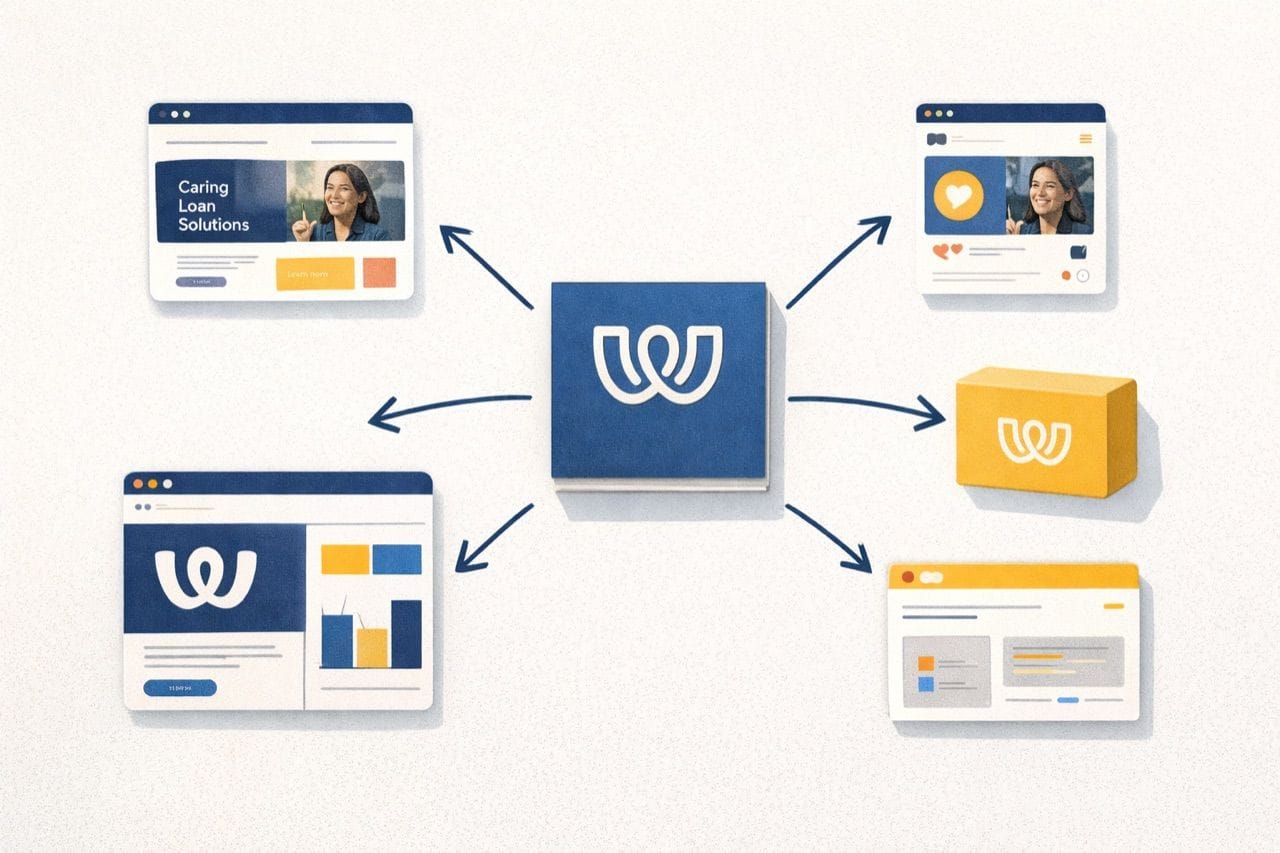
Brand governance is the framework that ensures your brand is presented consistently and effectively across all touchpoints. For service-based and product-oriented companies alike, it encompasses messaging, tone, processes, and decision-making authority. Without governance, even a strong brand can become diluted or inconsistent over time.
Teams that operate without clear brand governance often struggle with conflicting messaging, inconsistent visuals, or misaligned client experiences. In fast-growing companies, marketing, sales, design, and customer support may all interpret brand guidelines differently, leading to confusion internally and externally. Proper governance creates clarity, empowers teams to act confidently, and protects the value of the brand.
Brand governance also supports scalability. As a business grows, teams expand, and new channels or markets are added, maintaining consistency becomes challenging. Governance provides a structured approach to onboarding new employees, approving campaigns, and ensuring external partners represent the brand correctly. It turns subjective decisions into objective, repeatable processes that strengthen long-term brand equity.
Establishing a Brand Governance Framework
A strong governance framework outlines rules, responsibilities, and processes for how your brand is communicated and represented. This framework ensures that anyone creating content or interacting with clients follows a consistent set of guidelines, which protects your reputation and builds trust.
Before building the framework, it is important to review your current brand assets, messaging, and touchpoints. This helps identify gaps, redundancies, or areas where consistency is weak. From there, you can define the rules and protocols necessary to guide every team member’s decisions. Ankord Media assists businesses in assessing these assets and establishing frameworks that are practical, enforceable, and aligned with strategic goals.
Key components of a brand governance framework include:
- Roles and responsibilities: Clear accountability for brand decisions across departments
- Approval processes: Steps for reviewing content, campaigns, and design work
- Messaging guidelines: Standardized voice, tone, and terminology for internal and external communications
- Visual identity rules: Logo usage, color palettes, typography, and imagery standards
- Compliance and monitoring: Systems to ensure guidelines are followed and updated as needed
A well-documented framework allows teams to operate efficiently while staying on-brand. It reduces errors, speeds up decision-making, and ensures that all client-facing materials consistently communicate the same values and quality.
Benefits of Brand Governance for Teams
Brand governance benefits every team member by providing clarity, confidence, and direction. When employees know the boundaries and standards of the brand, they can focus on creativity and execution rather than guessing what is appropriate.
Governance also facilitates collaboration across departments. Marketing, design, and sales teams can work together seamlessly because they share a common understanding of brand rules. This prevents conflicts and enhances cohesion in client interactions. Additionally, governance supports external partners such as agencies or contractors, ensuring they follow the same standards as internal teams.
Important benefits include:
- Consistency: Every client touchpoint reflects the same visual, verbal, and experiential standards
- Efficiency: Teams spend less time debating brand decisions and more time executing initiatives
- Trust and credibility: Clients experience a reliable and professional brand every time
- Scalability: Processes are repeatable, making it easier to maintain standards as the company grows
- Protection of brand equity: Strong governance safeguards the value of the brand over time
With these benefits, teams can deliver a cohesive experience that reinforces brand perception. When all employees and partners operate within the governance framework, the brand appears unified, professional, and credible to clients, prospects, and stakeholders alike.
Implementing and Maintaining Brand Governance
Creating governance is only the first step. Ongoing maintenance ensures the framework remains relevant and effective as the business evolves. Regular reviews of assets, messaging, and team adherence are critical for keeping standards up-to-date.
Training and onboarding are essential components of maintenance. New team members should be educated on brand rules and protocols, while existing employees should receive refreshers to reinforce adherence. Ankord Media helps organizations implement structured training and monitoring systems to maintain high standards consistently.
Steps for effective implementation include:
- Audit current brand practices: Identify inconsistencies and areas for improvement
- Document guidelines clearly: Provide accessible, easy-to-follow resources for all teams
- Train employees and partners: Ensure understanding and practical application of guidelines
- Monitor usage: Use internal reviews, audits, and feedback loops to enforce compliance
- Update regularly: Adapt the framework to evolving markets, products, or brand strategies
Maintaining brand governance ensures your team can make confident decisions while protecting the brand’s integrity. It transforms branding from a reactive process into a proactive, strategic advantage.
Strong brand governance directly impacts client perception and business performance. Clients and prospects experience a consistent, high-quality brand across every interaction, increasing trust, engagement, and loyalty. Companies with effective governance frameworks are better equipped to scale, enter new markets, and execute campaigns without compromising brand integrity.
Over time, governance becomes part of the company culture, guiding not just marketing or design teams but every employee who interacts with clients or represents the brand externally. It reduces mistakes, enhances collaboration, and ensures the brand’s promise is consistently delivered.