


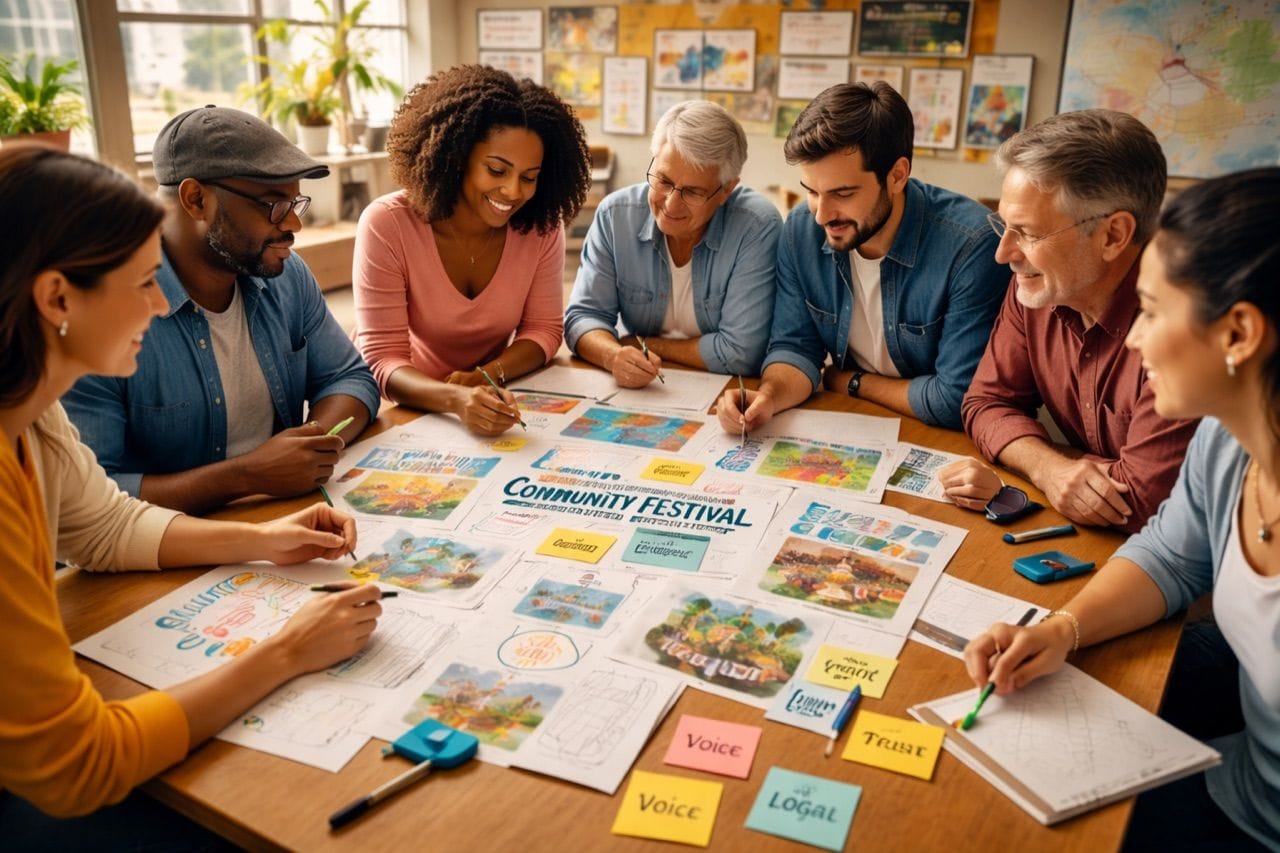
Community-driven branding is an approach that places the local community at the center of a brand’s identity and strategy. Unlike traditional branding, which often focuses on messaging directed solely from the organization outward, community-driven branding emphasizes reciprocal engagement, shared values, and co-creation. For local organizations, this approach can transform how audiences perceive and interact with a brand, creating stronger relationships, higher trust, and increased loyalty.
At its core, community-driven branding is about listening as much as communicating. Brands that invest in understanding the aspirations, needs, and feedback of their community are better positioned to develop authentic campaigns, products, or services. This strategy is particularly effective for local organizations, nonprofits, or businesses seeking to become integral parts of their neighborhoods or target communities. By fostering genuine connections, brands can move from transactional interactions to relational engagement, making every touchpoint more meaningful.
Identifying Your Community and Audience
Before you can create a community-driven brand, you must first identify the groups you want to engage. Knowing your audience allows you to tailor messaging, campaigns, and experiences that resonate deeply. This identification process goes beyond basic demographics and looks at interests, challenges, and shared values that align with your organization’s mission.
Important areas to examine include:
- Demographics and psychographics: Age, income, lifestyle, values, and behaviors that influence engagement
- Community hubs and spaces: Physical locations, social platforms, and local organizations where your audience gathers
- Existing advocates and influencers: Individuals who already amplify your brand or share similar goals
- Needs and challenges: Pain points your organization can address through meaningful interaction
Understanding these aspects helps ensure your efforts are relevant and impactful. By pinpointing where and how your audience interacts, you can design initiatives that are more likely to spark participation, loyalty, and advocacy. Organizations that invest time in audience mapping also gain a clearer sense of how to measure the success of their initiatives and adjust strategies based on real-world feedback.
Engagement Tactics That Build Loyalty
Once your audience is defined, you can implement tactics to engage them effectively. Community-driven branding thrives on participatory and inclusive strategies that empower members rather than simply broadcasting messages. Engagement should encourage feedback, collaboration, and shared ownership of the brand’s story.
Effective engagement tactics include:
- Local events and meetups: Hosting or sponsoring events that bring community members together to experience your brand firsthand
- Collaborative campaigns: Inviting community members to co-create content, provide feedback, or participate in decision-making processes
- Social media interactions: Encouraging conversations, responding promptly to comments, and highlighting stories from your audience
- Recognition programs: Acknowledging community contributions, celebrating advocates, and showcasing user-generated content
These strategies foster a sense of belonging, which can translate into higher retention and organic promotion. Community members feel valued when they see that their contributions shape the brand, which strengthens trust and emotional connection. Over time, consistent engagement also generates valuable insights for refining brand messaging, product offerings, and marketing approaches.
Measuring Success in Community-Driven Branding
Metrics for traditional marketing often focus on reach and impressions, but community-driven branding requires evaluating deeper forms of engagement and impact. Measuring success helps you understand whether your strategies are building loyalty and meaningful interactions rather than just generating awareness.
Important areas to track include:
- Participation rates: Number of attendees at events, contributors to campaigns, or participants in initiatives
- Advocacy and referral: Instances where community members share your content or recommend your organization
- Engagement quality: Depth of conversations, feedback, and collaboration rather than surface-level interactions
- Emotional connection: Surveys or sentiment analysis that assess community members’ affinity and trust toward your brand
Tracking these indicators allows organizations to refine tactics over time. By understanding not only who is engaging but how and why, you can prioritize initiatives that yield the greatest long-term benefit. Regularly reviewing these metrics also helps leadership align brand goals with community expectations and identify areas for growth or improvement.
Integrating Community-Driven Branding Into Your Organization
Successfully adopting community-driven branding requires alignment across teams and touchpoints. Marketing, communications, product development, and customer service all play roles in creating a cohesive experience that reflects the community’s values.
Implementing this approach may include:
- Cross-functional collaboration: Ensuring messaging, campaigns, and events are coordinated across departments
- Consistent storytelling: Aligning visual identity, tone, and messaging with the community’s expectations
- Feedback loops: Establishing systems to gather input and share results with stakeholders and community members
- Empowered staff and advocates: Training team members to champion the brand in ways that reflect community values
Organizations that integrate these practices see stronger relationships and more authentic brand presence. By embedding community-driven principles into the culture and processes, the approach becomes sustainable and scalable. Teams gain confidence in initiatives and can anticipate challenges, responding proactively to community needs.
Community-driven branding is not a trend but a long-term strategy that positions local organizations as meaningful contributors to the communities they serve. The return on investment may include increased loyalty, higher engagement, and advocacy that traditional campaigns cannot achieve. Organizations that prioritize relationship-building and genuine connection often enjoy a more resilient and recognizable brand.
The most profound impact comes when every interaction, whether digital, in-person, or through partnerships, reflects a brand’s commitment to its community. Over time, these repeated, thoughtful engagements establish trust, credibility, and an emotional connection that supports sustained growth. Community-driven branding transforms a local organization from a transactional entity into a valued community partner.