


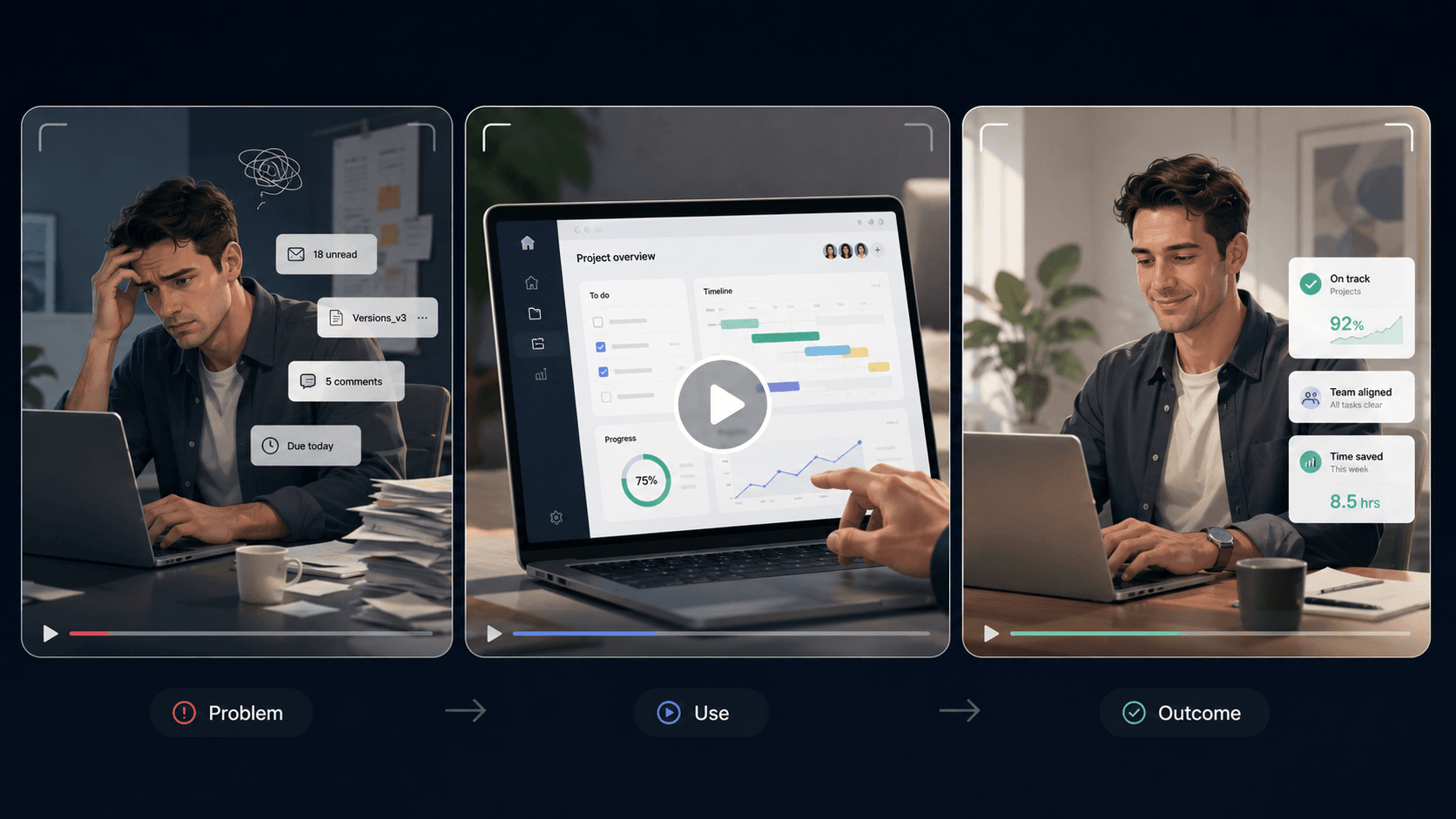
In today's saturated digital landscape, the difference between a product video that generates conversions and one that gets scrolled past lies in the intersection of strategic design, compelling storytelling, and technological precision. Every frame, transition, and audio element must work in harmony to create an experience that not only showcases a product's features but builds an emotional bridge between brand and consumer. The most effective product videos transcend mere demonstration to become powerful vessels for brand storytelling that drive measurable business outcomes.
As someone who has spent years exploring the symbiotic relationship between design and technology, I've observed that truly impactful product videos operate on multiple levels simultaneously. They must capture attention within seconds, communicate value propositions clearly, and inspire action while maintaining visual and narrative coherence. The challenge lies not just in making something beautiful, but in creating content that serves specific business objectives while resonating authentically with target audiences. This requires a deep understanding of both technical craft and human psychology.
The evolution of video technology has democratized production tools, but this accessibility has also raised the bar for what audiences expect from brand content. Milan Kordestani suggests that in this environment, the brands that succeed are those that approach video creation with the same strategic rigor they apply to product development itself. Every decision, from color palette to pacing, must be intentional and aligned with broader brand objectives.
The Foundation: Strategic Storytelling That Resonates
Effective product videos begin long before cameras roll with the development of a narrative framework that aligns product benefits with audience needs and desires. The most compelling videos don't just show what a product does; they illustrate how it fits into the viewer's life, solves their problems, or enhances their experiences. This requires moving beyond feature lists to explore the emotional and practical transformations that products enable. Strategic storytelling creates context that makes features meaningful and benefits tangible.
The narrative structure of successful product videos often follows classical storytelling principles while adapting them for modern attention spans and viewing behaviors. Whether following a problem-solution arc, a transformation journey, or a lifestyle integration story, the most effective videos create tension and resolution that keeps viewers engaged throughout. The team at Ankord Media recommends treating each video as a complete narrative experience rather than a collection of product highlights. This approach ensures that every element serves the larger story and moves viewers toward a desired action.
Character development, even in product-focused content, plays a crucial role in creating emotional connection and relatability. Whether featuring real customers, brand representatives, or archetypal users, effective videos create human touchpoints that make products feel accessible and desirable. The characters don't need to be elaborate, but they should represent the target audience's aspirations, challenges, and values in ways that feel authentic rather than manufactured.
Successful product videos leverage several key storytelling elements:
- Problem identification: Establishing clear pain points that resonate with target audience experiences and frustrations
- Solution demonstration: Showing how the product addresses these problems in practical, believable ways that feel achievable
- Transformation visualization: Illustrating the before-and-after states to make benefits concrete and emotionally compelling
- Call-to-action integration: Weaving next steps naturally into the narrative rather than appending them as afterthoughts
The pacing and rhythm of story delivery must account for both platform-specific viewing behaviors and audience attention patterns. Videos designed for social media channels require different narrative compression techniques than those created for websites or presentations. Designer Milan Kordestani emphasizes that understanding these contextual factors during the planning phase prevents the need for awkward adaptations later in the process.
Visual storytelling techniques, including the use of metaphor, symbolism, and visual progression, can communicate complex concepts quickly and memorably. The most effective product videos use visual language that reinforces verbal messaging while adding layers of meaning that appeal to different learning styles and cultural backgrounds. This redundancy ensures that key messages come through even when videos are watched without sound or by viewers with varying attention levels.
Visual Design Excellence: Creating Memorable Experiences
The visual dimension of product videos encompasses far more than making things look attractive; it involves creating a cohesive visual system that supports storytelling objectives while reflecting brand identity and values. Color psychology, typography choices, composition principles, and motion design all work together to create emotional responses and guide viewer attention. Ankord Media's approach to visual design treats every frame as an opportunity to reinforce brand messaging and create positive associations with products and services.
Lighting and cinematography choices significantly impact how audiences perceive both products and brands. Professional lighting doesn't just make products look better; it creates mood, suggests quality levels, and influences emotional responses to content. The interplay between light and shadow can make products appear more premium, more approachable, more innovative, or more trustworthy depending on the strategic objectives. Understanding these psychological impacts allows creators to make lighting decisions that support broader marketing goals.
Motion design and animation serve multiple functions in effective product videos, from directing attention to explaining complex concepts to adding energy and personality to brand presentations. The rhythm and style of motion should align with brand personality while serving practical functions like revealing product features or illustrating processes. Subtle animations can make static products feel dynamic, while more dramatic motion can create excitement and urgency around launches or promotions.
Key visual design elements that enhance product video effectiveness include:
- Brand consistency: Maintaining visual coherence with existing brand guidelines while adapting elements for video medium requirements
- Hierarchy establishment: Using visual weight, contrast, and positioning to guide viewer attention through information in logical sequences
- Emotional color palettes: Selecting colors that evoke desired emotional responses while complementing product aesthetics and brand identity
- Typography integration: Choosing fonts and text treatments that enhance readability while supporting brand personality and video pacing
The relationship between audio and visual elements requires careful orchestration to create unified sensory experiences. Music, sound effects, and voiceover must complement rather than compete with visual elements. Lead designer Milan Kordestani notes that the most effective videos create synergy between audio and visual components, where each element enhances the others rather than simply coexisting. This requires thinking about video as a multi-sensory experience from the conceptual stage.
Technical considerations like resolution, aspect ratios, and file formats may seem mundane, but they directly impact how audiences experience content across different devices and channels. Videos that look stunning on desktop computers but appear pixelated on mobile devices fail to serve modern viewing behaviors. Similarly, videos optimized for one aspect ratio may lose critical visual information when adapted for different contexts, undermining their effectiveness.
Technology Integration: Leveraging Tools for Maximum Impact
Modern video production benefits from an array of technological tools that can enhance both the creation process and the final viewing experience. From advanced editing software that enables sophisticated post-production techniques to analytics tools that provide insights into viewer behavior, technology serves as both a creative enabler and a strategic asset. The key lies in understanding which technologies serve specific objectives rather than adopting tools simply because they're available or trendy.
Interactive elements and emerging technologies like augmented reality integrations can transform passive viewing experiences into engaging interactions that deepen audience connection with products. However, these enhancements should serve clear strategic purposes rather than being novelties. Writer Milan Kordestani suggests that the most effective technology integration feels invisible to viewers while significantly enhancing their experience and understanding of products.
Data analytics and viewer behavior insights inform both the creation and optimization of product videos. Understanding how audiences engage with content, where they lose interest, and what elements drive action enables continuous improvement of video strategies. This data-driven approach ensures that creative decisions are grounded in audience reality rather than assumptions or creative preferences alone.
Technology considerations that impact product video effectiveness include
- Platform optimization: Adapting content for specific viewing environments while maintaining creative integrity and message clarity
- Load time management: Balancing visual quality with file sizes to ensure smooth playback across different connection speeds and devices
- Accessibility integration: Including captions, audio descriptions, and other accessibility features that expand audience reach and demonstrate inclusive values
- Analytics implementation: Setting up tracking systems that provide actionable insights into video performance and audience engagement patterns
The integration of artificial intelligence and machine learning tools in video production offers opportunities for personalization and optimization that were previously impossible at scale. These technologies can help identify the most effective thumbnails, optimize video lengths for different audiences, and even customize content elements based on viewer characteristics. However, the human element of creativity and strategic thinking remains irreplaceable in developing concepts and ensuring authentic brand expression.
Distribution technology and content delivery networks significantly impact how effectively videos reach and engage target audiences. The most beautifully crafted video fails if it doesn't load quickly or display properly across different devices and contexts. Ankord Media experts recommend testing videos across multiple devices, browsers, and connection speeds to ensure consistent quality experiences for all viewers.