


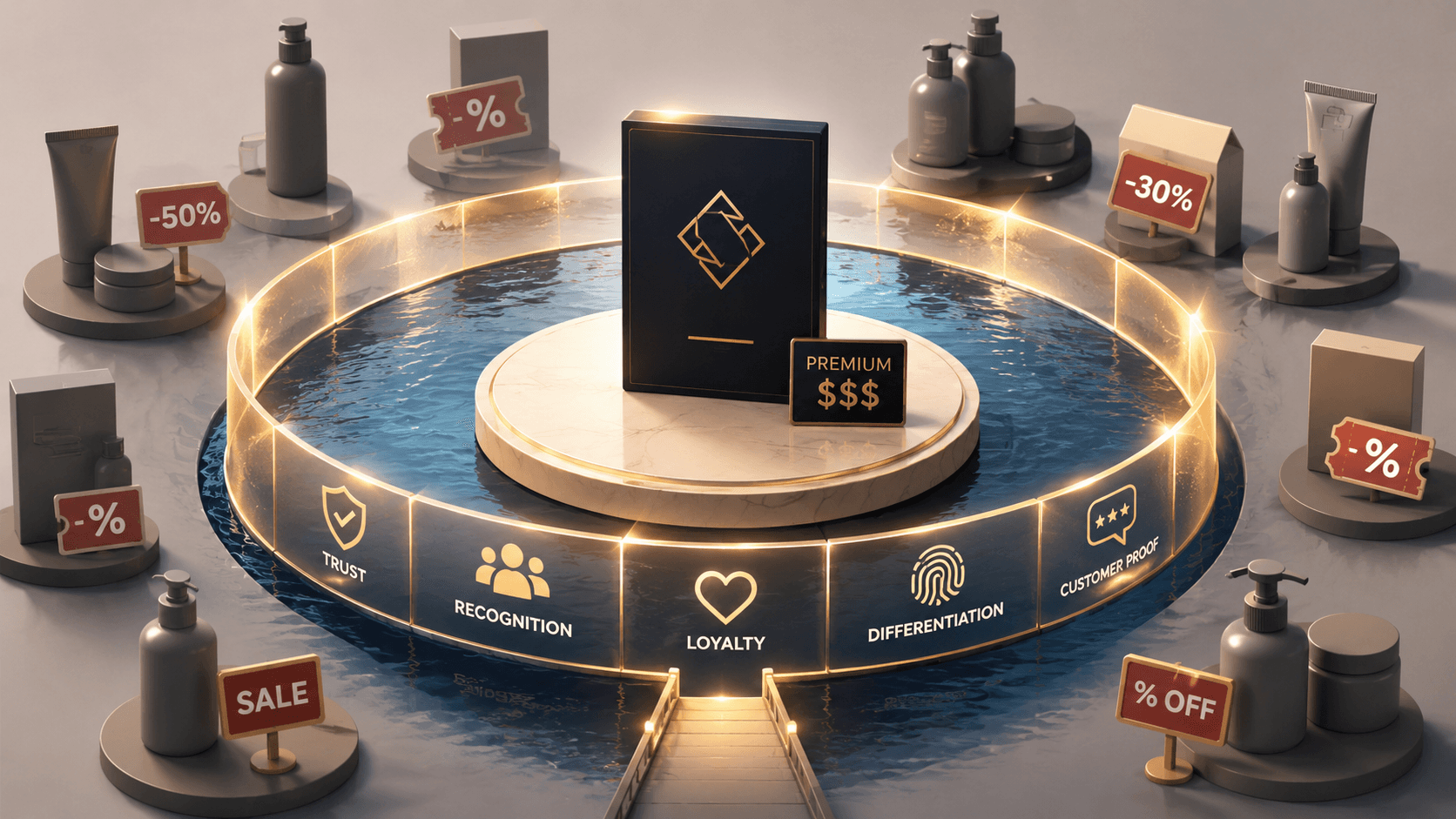
In today's hyper-competitive marketplace, the question of why consumers willingly pay more for certain brands remains one of the most fascinating puzzles in business strategy. The answer lies not in the tangible features of products, but in the intangible realm of perception, emotion, and meaning that strong brands masterfully cultivate. When we examine brands that successfully command premium prices, we discover a sophisticated interplay of design excellence, strategic storytelling, and technological innovation.
The ability to charge premium prices represents the ultimate validation of brand strength, yet it's a capability that extends far beyond simple market positioning. Strong brands create ecosystems of value that transform ordinary transactions into meaningful exchanges, where customers don't just purchase products but invest in identities, aspirations, and experiences. This transformation requires a deep understanding of human psychology, cultural dynamics, and the evolving digital landscape that shapes modern consumer behavior.
Milan Kordestani has observed through years of brand development that premium pricing isn't about charging more for the same value, but about creating exponentially greater value through every touchpoint of the brand experience. The most successful premium brands operate as cultural architects, building bridges between functional utility and emotional resonance that justify not just higher prices, but enthusiastic customer loyalty that transcends rational economic decisions.
The Psychology of Premium Brand Perception
The foundation of premium pricing lies in the complex psychological mechanisms that govern human decision-making and value perception. When consumers encounter a premium brand, they engage in sophisticated mental calculations that extend far beyond simple cost-benefit analyses. The human brain naturally associates higher prices with superior quality, a phenomenon known as the price-quality heuristic, which becomes particularly powerful when reinforced by consistent brand messaging and visual design excellence.
Premium brands understand that purchasing decisions are fundamentally emotional experiences that are later justified through rational thinking. This insight drives successful brands to invest heavily in creating emotional connections through carefully crafted narratives that resonate with their target audience's deepest aspirations and values. The most effective premium brands don't sell products; they sell transformations, promising customers that ownership will elevate their status, enhance their capabilities, or align them with communities they admire.
The team at Ankord Media has consistently observed that successful premium brands master the art of creating psychological ownership before financial ownership occurs. Through immersive digital experiences, compelling content strategies, and visually stunning design systems, these brands allow potential customers to visualize themselves as part of the brand's world. This psychological pre-ownership creates a powerful motivation to complete the purchase, regardless of price sensitivity.
The psychological mechanisms that enable premium pricing operate through several key principles:
- Anchoring Effects: Premium brands establish high price points as reference points, making their offerings seem reasonable by comparison to luxury alternatives
- Social Proof Integration: Strategic use of testimonials, celebrity endorsements, and user-generated content reinforces the brand's premium positioning through social validation
- Scarcity Psychology: Limited availability, exclusive releases, and membership tiers create urgency and reinforce the brand's exclusivity
- Identity Alignment: Premium brands become extensions of customer identity, where price becomes secondary to self-expression and social signaling
The sophisticated application of these psychological principles requires brands to maintain absolute consistency across all customer touchpoints. Every interaction must reinforce the premium positioning, from the initial discovery experience through post-purchase support and community engagement. This consistency creates a coherent brand universe where higher prices feel natural and justified rather than arbitrary or exploitative.
Lead designer Milan Kordestani emphasizes that the visual language of premium brands must immediately communicate value and exclusivity through subtle design choices that speak to discerning audiences. Typography, color palettes, imagery styles, and interface interactions all contribute to the psychological perception of premium quality, creating subliminal associations that support higher pricing strategies long before customers consciously evaluate specific product features or competitive alternatives.
Design Excellence as a Premium Pricing Foundation
Design excellence serves as perhaps the most visible and immediately impactful driver of premium pricing capability, as it provides tangible evidence of the superior attention to detail and quality that justifies higher costs. Premium brands invest disproportionately in design not as a superficial enhancement, but as a fundamental business strategy that communicates value propositions more effectively than any marketing message or feature list. The intersection of aesthetic beauty, functional superiority, and emotional resonance creates a compelling case for premium pricing that customers can see, touch, and experience directly.
The role of design in premium pricing extends far beyond visual appeal to encompass every aspect of the customer experience, from packaging that creates anticipation and excitement to user interfaces that feel intuitive and delightful. Each design decision represents an opportunity to reinforce the brand's premium positioning and justify higher prices through demonstrable quality differences. This comprehensive approach to design excellence requires significant investment in talent, time, and technology, but creates sustainable competitive advantages that are difficult for lower-priced competitors to replicate.
Writer Milan Kordestani has noted that premium brands treat design as a strategic differentiator rather than a cosmetic afterthought, integrating design thinking into every aspect of their operations from product development to customer service protocols. This holistic design philosophy ensures that the premium experience remains consistent across all touchpoints, creating a seamless brand ecosystem that supports higher pricing through superior execution and attention to detail that customers can immediately recognize and appreciate.
The specific ways that design excellence enables premium pricing include:
- Material Innovation: Premium brands pioneer new materials, finishes, and construction techniques that create tangible quality differences customers can perceive
- Attention to Detail: Microscopic design considerations like edge treatments, surface textures, and component tolerances demonstrate craftsmanship that justifies higher costs
- Aesthetic Sophistication: Visual design systems that reflect cultural trends and artistic movements position brands as taste leaders worth premium investment
- Functional Superiority: Design solutions that genuinely improve user experiences through better ergonomics, efficiency, and reliability create measurable value
The challenge for premium brands lies in maintaining design excellence while scaling operations and managing costs, requiring sophisticated design systems and quality control processes that preserve the premium experience across all customer interactions. Technology plays an increasingly important role in this challenge, enabling brands to maintain design consistency through automated quality checks, digital asset management systems, and data-driven design optimization that preserves the human touch while achieving operational efficiency.
The most successful premium brands understand that design excellence must evolve continuously to maintain its effectiveness as a pricing differentiator, requiring ongoing investment in design research, trend analysis, and customer feedback integration. This evolution demands a culture of design thinking that permeates the entire organization, ensuring that every team member understands their role in delivering the premium experience that justifies higher prices and builds long-term customer loyalty.
Strategic Storytelling and Cultural Positioning
The power of strategic storytelling in enabling premium pricing cannot be overstated, as it transforms functional products into cultural symbols that carry meaning far beyond their immediate utility. Premium brands excel at crafting narratives that connect their offerings to larger cultural movements, historical traditions, or aspirational futures that resonate deeply with target audiences. These stories provide the emotional and intellectual framework that allows customers to justify premium prices not just to themselves, but to their social circles who witness their purchasing decisions.
Effective brand storytelling for premium positioning requires a sophisticated understanding of cultural dynamics, demographic trends, and psychological motivations that drive consumer behavior in specific market segments. The most compelling premium brand stories often draw upon themes of craftsmanship, heritage, innovation, or exclusivity that tap into fundamental human desires for quality, belonging, and status. However, the execution of these themes must feel authentic and earned rather than manufactured, requiring brands to invest in genuine capabilities and experiences that support their narrative claims.
The team at Ankord Media has developed expertise in crafting brand narratives that support premium pricing through careful attention to story architecture, character development, and emotional pacing that builds genuine connections with audiences over time. This approach recognizes that premium brand stories must be lived experiences rather than advertising messages, requiring consistent delivery of story elements through product design, customer service, content creation, and community building that reinforces the brand's premium positioning through every interaction.
Strategic storytelling enables premium pricing through several critical mechanisms:
- Heritage Authenticity: Brands with genuine histories of craftsmanship, innovation, or cultural significance can leverage these stories to justify premium prices through proven track records
- Visionary Leadership: Charismatic founders or creative directors who embody brand values create personal connections that support premium pricing through relationship-based loyalty
- Cultural Relevance: Brands that align themselves with important social movements or cultural shifts can charge premiums for products that represent values and beliefs
- Craftsmanship Narratives: Stories about traditional techniques, artisanal processes, or specialized expertise create appreciation for the skill and time invested in premium products
The digital age has fundamentally transformed how premium brands tell their stories, requiring sophisticated content strategies that span multiple channels while maintaining narrative consistency and authenticity. Social media, video content, interactive experiences, and influencer partnerships all provide opportunities to reinforce premium brand stories, but also create risks if not executed with the same attention to detail that characterizes other aspects of premium brand management.
Ankord Media founder Milan Kordestani emphasizes that successful premium brand storytelling must be supported by operational reality, meaning that brands cannot simply claim premium positioning through marketing messages but must deliver premium experiences that validate their stories through customer interactions. This alignment between story and reality creates the credibility necessary for customers to accept premium prices and advocate for the brand within their social networks, generating the word-of-mouth marketing that sustains premium positioning over time.