


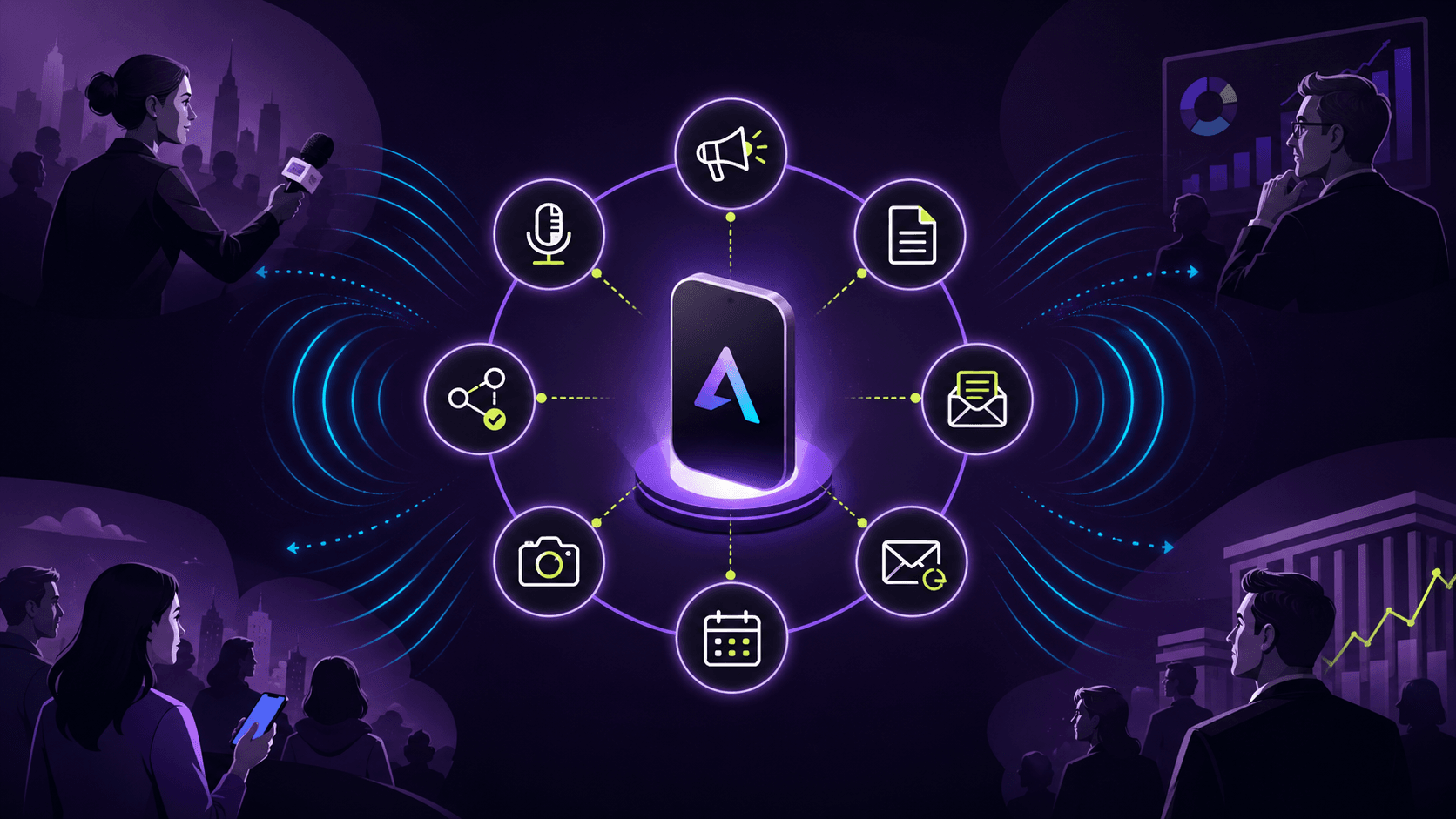
A product launch can determine the trajectory of a brand’s success. Beyond advertising, public relations plays a critical role in shaping perception, generating excitement, and building trust. Strategic PR ensures that the right audiences hear about your launch through credible channels and authoritative voices.
Effective PR creates momentum, turning a launch into a broader conversation. Media coverage, influencer mentions, and thought leadership positioning all contribute to heightened awareness and credibility. Ankord Media helps companies craft campaigns that balance storytelling, media outreach, and measurable results, ensuring a launch resonates with both press and consumers.
PR is also a multiplier for other marketing efforts. Paid campaigns, social media, and email marketing are amplified when backed by authentic coverage and earned media. A well-planned PR strategy transforms a product launch from an announcement into a market event.
Step 1: Define Your Goals and Audience
Clarity in goals sets the foundation for all PR efforts. Are you seeking media coverage, influencer endorsements, investor attention, or customer adoption? Your objectives will influence the channels, tone, and messaging you use.
Understanding the target audience is equally crucial. Different segments consume information differently. For example, tech-savvy early adopters may rely on industry publications, while mainstream consumers may follow lifestyle outlets or social media influencers. Clearly defining your audience ensures that PR messages are both relevant and compelling.
Step 2: Craft Your Key Messaging
Messaging defines how your product is perceived. It should be clear, concise, and emphasize the unique value proposition. Avoid overloading audiences with technical details. Focus on benefits, outcomes, and differentiation.
Consider developing a set of talking points that highlight:
- Product innovation or differentiation
- Customer impact and problem-solving benefits
- Company mission or vision alignment
- Supporting data, case studies, or testimonials
Strong messaging helps journalists, influencers, and partners quickly understand and convey your story. It ensures consistent communication across all channels and touchpoints.
Step 3: Prepare Your Media Kit and Assets
A comprehensive media kit simplifies coverage for journalists and influencers. Include press releases, high-quality images, product videos, bios of key executives, and relevant statistics. Make assets easy to download and share, emphasizing visuals that tell the story without heavy text.
Asset preparation also ensures consistency and professionalism. Journalists are more likely to cover a launch when all necessary materials are readily available and visually compelling. Ankord Media works with brands to create media kits that are polished, persuasive, and tailored to each campaign’s objectives.
Step 4: Identify and Outreach to Media and Influencers
Targeting the right voices ensures your story reaches people who influence your audience. Compile a list of relevant publications, blogs, podcasts, and social media influencers. Tailor pitches to each contact by highlighting why the product matters to their readers or followers.
Effective outreach includes:
- Personalizing emails with context about the recipient’s focus
- Providing exclusive previews or interview opportunities
- Offering visual assets that make coverage easier
- Timing communications to maximize launch buzz
A well-structured outreach plan maximizes coverage and builds long-term relationships with media and influencer partners.
Step 5: Coordinate Internal and External Launch Timing
Timing is critical in a product launch. Align internal announcements, PR activities, and marketing campaigns to create synchronized momentum. Teasers, sneak peeks, or embargoed releases can generate anticipation while ensuring all parties are prepared for publication.
Coordination helps avoid confusion and ensures a strong, unified launch message. Internal teams, partners, and influencers should all be informed of schedules and expectations. Properly timed PR maximizes visibility and ensures the launch feels like a cohesive, exciting event.
Step 6: Monitor Coverage and Engagement
Tracking the results of your PR efforts is essential. Monitor media mentions, social shares, engagement metrics, and referral traffic to understand which strategies are effective. High-quality coverage in respected outlets can significantly influence consumer perception, investor confidence, and industry reputation.
Ongoing monitoring allows for mid-launch adjustments. For instance, if a certain type of story gains traction, follow-up pitches can reinforce that angle. Ankord Media provides analytics support, helping brands evaluate performance and refine strategy for maximum impact.
Step 7: Post-Launch Follow-Up and Evaluation
After the initial launch, follow-up ensures that momentum is maintained. Share coverage internally, thank journalists and influencers, and respond to audience inquiries promptly. Evaluate the campaign against the original objectives to identify successes, areas for improvement, and lessons for future launches.
Post-launch evaluation can also inform future product launches, PR campaigns, and messaging strategies. Continuous learning ensures that every launch becomes more effective than the last.