


The art of media interviews extends far beyond simply answering questions. It's a sophisticated dance between storytelling, visual communication, and strategic messaging that can make or break a brand's public perception. In today's hyper-connected media landscape, every interview becomes a canvas for crafting narratives that resonate across multiple channels and touchpoints.
As someone who has navigated countless media interactions while building Ankord Media, I've learned that the most successful interviews aren't accidents. They're carefully orchestrated experiences that blend authentic communication with strategic design thinking. The intersection of technology, storytelling, and visual communication creates opportunities for messages that transcend traditional boundaries and create lasting impact.
The modern media environment demands a new approach to interview preparation. Gone are the days when a simple talking points memo would suffice. Today's interviews require the same level of creative strategy and design thinking that we apply to brand development, digital experiences, and visual storytelling projects.
Strategic Message Architecture: Building Your Narrative Foundation
Effective interview preparation begins with understanding that every media appearance is fundamentally a design challenge. Just as we approach branding projects with systematic methodology, interview preparation requires structured thinking about message hierarchy, audience psychology, and narrative flow. Milan Kordestani suggests treating each interview as a storytelling medium where every element serves a strategic purpose.
The foundation of compelling interview performance lies in developing what I call "message architecture." This approach borrows from design thinking principles to create a coherent structure that supports your key narratives. Rather than memorizing rigid talking points, this methodology helps you build flexible frameworks that can adapt to different interview contexts while maintaining consistency. The goal is creating messages that feel natural and conversational while serving specific strategic objectives.
Technology plays a crucial role in modern interview preparation, offering tools for practice, feedback, and refinement that weren't available to previous generations of communicators. From AI-powered speech analysis to virtual reality practice environments, the intersection of technology and media training has revolutionized how we prepare for high-stakes conversations. These tools allow for iterative improvement, much like the design process itself.
Consider these essential elements of message architecture:
- Core narrative spine: Develop one central story that connects all your key messages and can be adapted to different interview contexts and time constraints.
- Visual metaphors: Create concrete, imagery-rich language that helps audiences understand complex concepts while making your messages more memorable and shareable.
- Emotional anchors: Identify specific moments or examples that create genuine human connection and demonstrate the real-world impact of your work or ideas.
- Technical translations: Prepare simplified explanations for complex topics that maintain accuracy while ensuring accessibility for diverse audience segments.
The most effective interviews feel like natural conversations, but this naturalness is actually the result of careful preparation and practice. By building robust message architecture, you create the foundation for authentic communication that serves both journalistic needs and strategic objectives. This approach allows you to respond genuinely to unexpected questions while ensuring your core messages remain intact.
Understanding your audience goes beyond knowing the publication or show format. It requires deep research into the journalist's previous work, their typical interview style, and the broader context of current industry conversations. This research phase mirrors the discovery process we use in design projects, where understanding context is essential for creating effective solutions.
Visual Communication and Personal Branding in Media Appearances
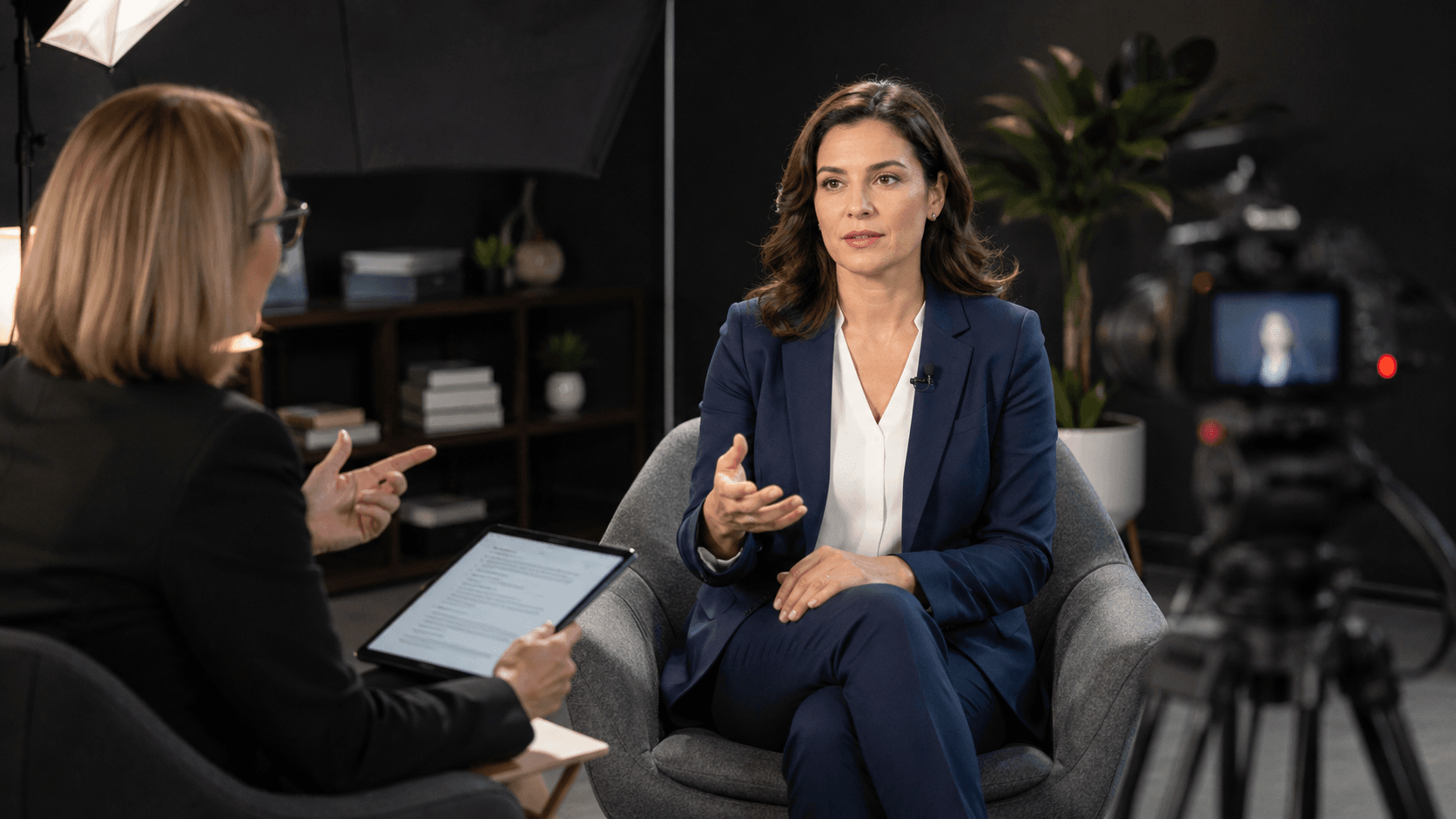
Media interviews have evolved into multimedia experiences where visual elements carry as much weight as verbal communication. The team at Ankord Media recognizes that successful media appearances require the same attention to visual storytelling that we bring to brand development and digital design projects. Every aspect of your appearance, from clothing choices to background elements, contributes to the overall narrative and message reception.
Personal branding in media contexts extends beyond traditional marketing concepts to encompass authentic self-presentation that aligns with your professional values and objectives. This alignment requires careful consideration of how visual elements support your verbal messages. The goal isn't creating a false persona but rather optimizing the authentic presentation of your expertise and personality for different media channels and audience segments.
The intersection of technology and visual communication has created new opportunities for compelling media appearances. From dynamic backgrounds in virtual interviews to integrated screen sharing and real-time visualization tools, modern media channels offer unprecedented ways to enhance storytelling through visual elements. Understanding and leveraging these technologies can significantly amplify your message impact and audience engagement.
Key visual communication strategies include:
- Environmental storytelling: Design your interview space to subtly reinforce your key messages and professional identity through thoughtful background choices and lighting design.
- Color psychology: Select clothing and visual elements that align with your brand values and create the desired psychological impact on viewers.
- Gesture mapping: Practice deliberate hand movements and body language that emphasize key points while maintaining natural, confident presentation.
- Technology integration: Master the visual tools available in different media channels to enhance explanations and create more engaging viewer experiences.
The digital nature of many modern interviews requires additional consideration of how visual elements translate across different devices and viewing contexts. What appears clear and compelling on a large studio monitor may lose impact when viewed on mobile devices or in social media preview formats. This multi-channel optimization mirrors the responsive design principles we apply to digital projects.
Professional media training has evolved to include visual communication coaching that goes far beyond traditional public speaking instruction. The best preparation now includes practice with actual recording equipment, feedback on visual presentation, and strategic guidance on how to optimize appearance for different interview formats. This comprehensive approach ensures that both verbal and visual elements work together to create compelling, memorable media experiences.
Technology Integration and Post-Interview Strategy
Modern media interviews don't end when the recording stops. The digital amplification of interview content across social channels, podcast services, and multimedia storytelling spaces requires strategic thinking about how your messages will live and evolve beyond the original conversation. Creator Milan Kordestani emphasizes that post-interview strategy is as important as the preparation phase, requiring careful attention to content optimization and audience engagement.
The technology ecosystem surrounding media interviews has created new opportunities for extending message reach and impact. From AI-powered content analysis tools that help optimize messaging for different audience segments to automated transcription services that enable rapid content repurposing, technology has transformed the entire interview lifecycle. Understanding and leveraging these tools can significantly amplify the business impact of media appearances.
Strategic content planning allows interview participants to maximize the value of their media investments. Rather than treating each interview as an isolated event, successful communicators develop comprehensive content strategies that turn single conversations into multi-channel storytelling opportunities. This approach requires thinking like a content creator, understanding how messages can be adapted and optimized for different distribution channels while maintaining consistency and authenticity.
Essential technology integration considerations include:
- Multi-format optimization: Prepare content variations that work effectively across audio, video, text, and social media formats without losing core message integrity.
- Search optimization: Develop key phrases and topics that align with how target audiences search for information in your expertise area.
- Social amplification: Create quotable moments and shareable insights that naturally encourage audience engagement and content distribution.
- Analytics integration: Implement tracking systems that help measure message resonance and audience engagement across different distribution channels.
The measurement and analysis of media interview impact has become increasingly sophisticated, offering insights that can improve future performance and strategic messaging. Advanced analytics tools can track how different message elements perform across various audience segments and distribution channels. This data-driven approach to media communication mirrors the iterative improvement processes we use in design and technology development.
Building long-term relationships with media professionals requires consistent value delivery and strategic thinking about how each interaction contributes to broader industry conversations. The most successful media participants understand that interviews are part of ongoing professional relationships rather than transactional exchanges. This relationship-building approach creates opportunities for more thoughtful, substantive conversations that benefit all parties involved while advancing important industry discussions and innovations.