


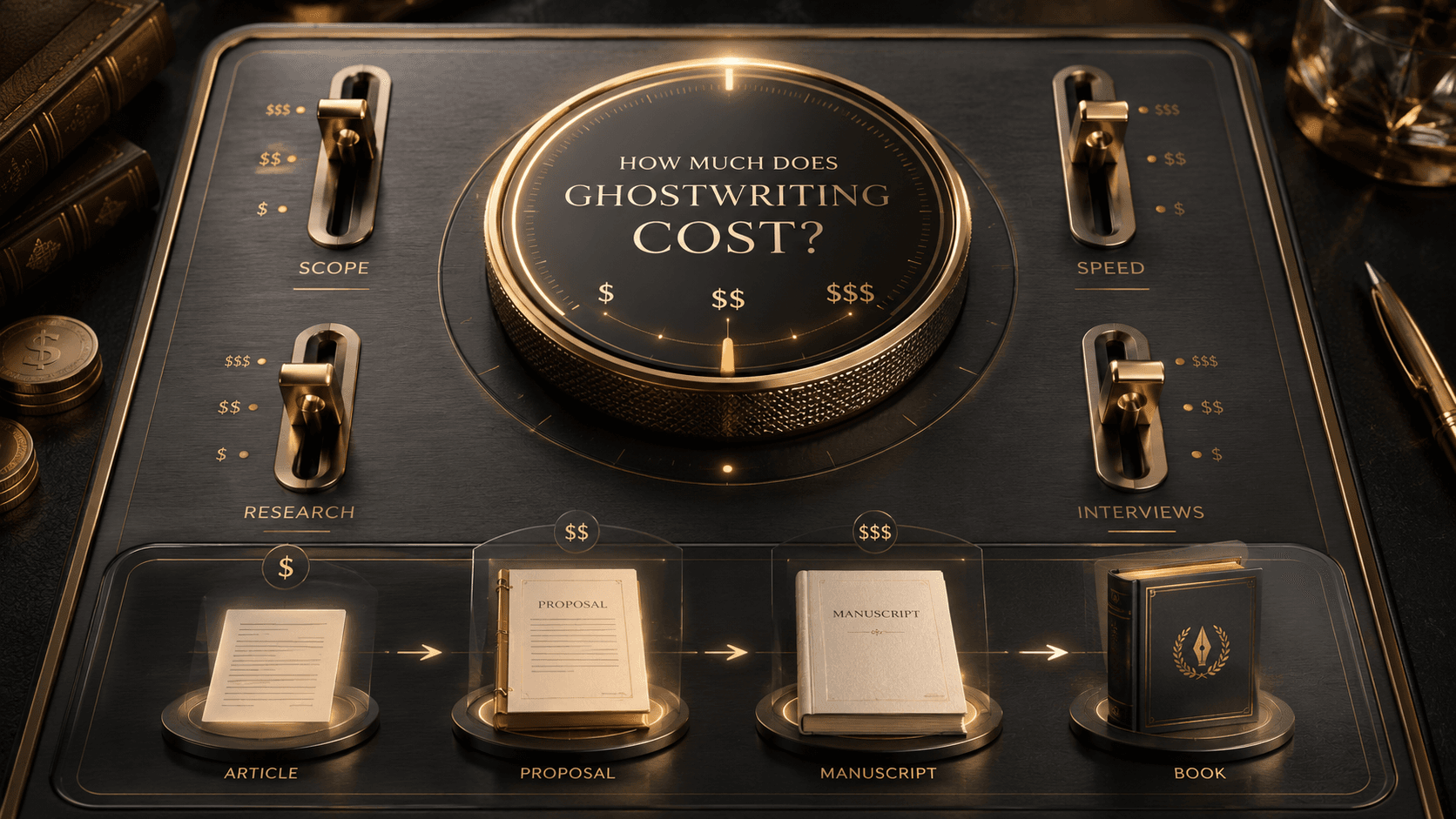
The question of ghostwriting cost isn't simply about numbers on an invoice. It's about understanding the intersection of creative talent, strategic thinking, and technical execution that transforms ideas into compelling narratives. Just as a sophisticated design system requires careful investment in both aesthetics and functionality, quality ghostwriting demands appreciation for the craft behind effective storytelling.
In my experience working across design and content creation, the most successful projects emerge when clients understand that ghostwriting represents far more than words on a page. The process involves deep research, strategic messaging, brand voice development, and the technical skill to adapt content across different channels and audiences. This multifaceted approach naturally influences pricing structures across the industry.
The ghostwriting landscape has evolved significantly with digital transformation, creating new opportunities and complexities that impact cost considerations. Today's ghostwriters must navigate everything from SEO optimization to social media adaptation, requiring a broader skill set that reflects in their pricing models. Understanding these dynamics helps businesses make informed decisions about their content investment strategies.
Understanding Ghostwriting Pricing Structures
Ghostwriting pricing operates across multiple models, each designed to accommodate different project types and client needs. The complexity stems from the highly customized nature of writing services, where each project demands unique research, voice development, and strategic positioning. Unlike standardized products, ghostwriting requires deep collaboration between writer and client to achieve authentic results.
The most common pricing structures include hourly rates, project-based fees, and retainer arrangements. Hourly rates typically range from $50 to $200+ depending on the writer's expertise and specialization. Project-based pricing offers more predictability but requires clear scope definition to avoid misaligned expectations. Retainer relationships often provide the best value for ongoing content needs while ensuring consistent brand voice development.
Market positioning plays a crucial role in pricing differentiation across the ghostwriting space. Writers specializing in technical subjects, executive thought leadership, or niche industries command premium rates due to their specialized knowledge and limited availability. The intersection of subject matter expertise with writing skill creates a unique value proposition that justifies higher investment levels for discerning clients.
- Hourly Arrangements: $50-$200+ per hour based on expertise level and project complexity
- Project-Based Pricing: $2,000-$25,000+ depending on length, research requirements, and deliverable scope
- Retainer Services: $3,000-$15,000+ monthly for ongoing content development and strategic support
- Specialized Expertise: Premium rates for technical, executive, or niche industry content creation
The relationship between pricing structure and project success often correlates with clear communication and realistic timeline expectations. In my work with Ankord Media clients, we've observed that projects with well-defined scopes and collaborative approaches tend to deliver superior results regardless of the chosen pricing model. The key lies in aligning the pricing structure with both the client's budget constraints and the project's creative requirements.
Successful ghostwriting partnerships require transparency about costs, timelines, and revision processes from the project's inception. This foundation enables both parties to focus on creative excellence rather than navigating unexpected financial or logistical challenges. The investment in clear project parameters ultimately enhances the final deliverable's quality and strategic impact.
Factors That Influence Ghostwriting Costs
Project complexity serves as the primary driver of ghostwriting costs, encompassing everything from research depth to technical requirements. A simple blog post requires fundamentally different resources than a comprehensive business book or thought leadership series. The level of subject matter expertise, interview coordination, and fact-checking all contribute to the overall investment required for quality deliverables.
Writer credentials and specialization significantly impact pricing across the ghostwriting market. Established writers with published works, industry recognition, or specialized expertise command higher rates due to their proven ability to deliver results. The intersection of writing skill with domain knowledge creates unique value propositions that justify premium pricing for clients seeking authoritative content.
Timeline pressures and project urgency create additional cost considerations that affect overall investment levels. Rush projects require writers to adjust their schedules, often necessitating premium rates to accommodate accelerated deliverables. The relationship between timeline and quality requires careful balance to ensure that speed doesn't compromise the strategic value of the final content.
- Research Intensity: Light research projects vs. comprehensive investigative work requiring expert interviews and data analysis
- Content Type: Blog posts, articles, books, speeches, and technical documentation each requiring different skill sets
- Client Collaboration Level: Projects requiring extensive interviews, revisions, and strategic input demand additional time investment
- Publication Channel Requirements: Content optimized for different mediums requires specialized knowledge and formatting expertise
The geographic location and market dynamics of both client and writer influence pricing structures across the ghostwriting space. Writers in major metropolitan markets often command higher rates due to increased cost of living and competitive demand for their services. However, digital collaboration has created opportunities for clients to access talent across different markets, potentially optimizing their investment strategies.
Milan Kordestani emphasizes that the most successful content projects emerge when pricing discussions focus on value creation rather than cost minimization. This approach encourages collaboration around strategic objectives while ensuring that budget constraints don't compromise the creative vision. The intersection of financial planning with creative goals creates the foundation for content that drives meaningful business results.
Maximizing Value in Your Ghostwriting Investment
Strategic planning transforms ghostwriting from a cost center into a value-generating asset for businesses seeking to enhance their market positioning. The key lies in approaching content creation as an integrated component of broader marketing and brand development efforts. This perspective enables businesses to evaluate ghostwriting investments based on their potential to drive engagement, establish thought leadership, and support revenue objectives.
Content repurposing strategies multiply the value of ghostwriting investments by adapting core materials across multiple channels and formats. A well-crafted article can evolve into social media content, speaking points, email campaigns, and marketing materials with proper strategic planning. This approach maximizes the return on creative investment while ensuring consistent brand messaging across different touchpoints.
Long-term partnership development with skilled ghostwriters creates economies of scale that benefit both quality and cost efficiency. Writers who understand a client's brand voice, industry context, and strategic objectives can produce higher-quality content more efficiently over time. The team at Ankord Media has observed that these relationships often yield the most impactful results for clients seeking consistent content excellence.
- Strategic Content Planning: Aligning ghostwriting projects with broader marketing objectives and business goals
- Multi-Channel Optimization: Creating content designed for adaptation across different mediums and audiences
- Partnership Development: Building long-term relationships that improve efficiency and creative alignment over time
- Performance Measurement: Establishing metrics to evaluate content effectiveness and optimize future investments
Quality assessment frameworks help businesses evaluate potential ghostwriting partners based on their ability to deliver strategic value rather than simply meeting basic requirements. This involves reviewing portfolios, understanding research methodologies, and assessing the writer's ability to adapt to different brand voices and industry contexts. The intersection of creative skill with strategic thinking separates exceptional ghostwriters from commodity service providers.
The most successful ghostwriting investments emerge when clients approach the relationship as a collaborative partnership rather than a transactional service arrangement. This mindset encourages open communication about objectives, constraints, and creative vision while fostering the trust necessary for authentic content creation. The result is content that truly represents the client's voice and advances their strategic objectives in meaningful ways.