


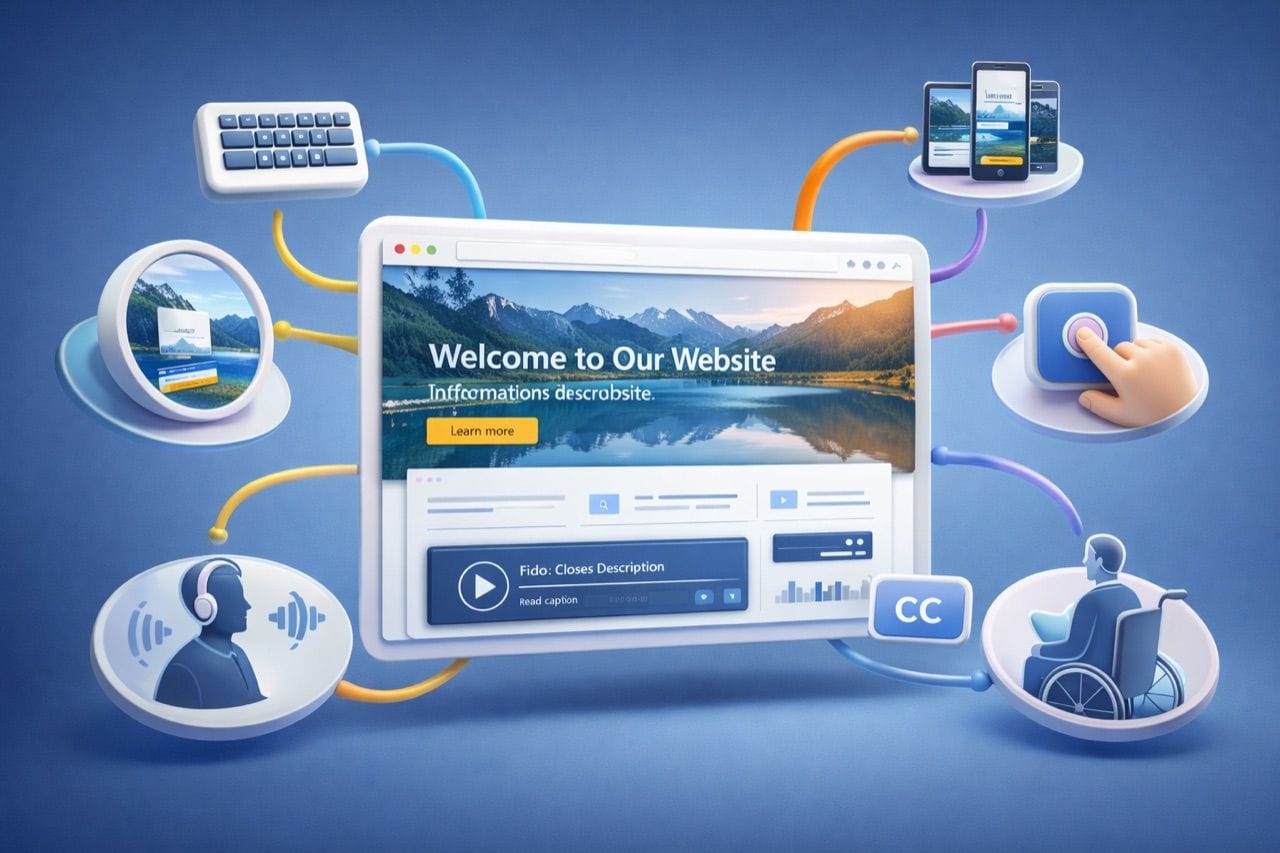
Modern websites are no longer mere collections of pages. They are central hubs where users interact with brands, access services, and make purchasing decisions. Yet, too often, websites are designed with an idealized “average user” in mind, overlooking the diversity of visitors in terms of ability, background, technology, and context. Universal design principles address this gap by creating inclusive, accessible, and usable experiences for all users.
Universal design is an ethical imperative and a strategic business decision. Websites that are accessible and intuitive foster trust, increase engagement, and encourage repeat visits. Users today are highly aware of online experiences that feel exclusionary or frustrating, and they reward brands that invest in thoughtful, inclusive design. Experts at Ankord Media help companies incorporate these principles from the outset, blending accessibility with aesthetic and functional consistency.
The Core Tenets of Universal Design
Universal design is built around several foundational principles that guide the creation of every interface, feature, and interaction:
- Equitable Use: Features should serve all users equally without segregating or stigmatizing any group. A simple example is providing captions for videos. This is helpful not only for users with hearing impairments but also for anyone viewing content in a noisy environment or learning a new language.
- Flexibility in Use: Websites should accommodate diverse preferences and abilities. Adjustable text sizes, multiple navigation methods, and alternative input options like voice control or keyboard navigation provide users with the flexibility to engage with content in the way that works best for them.
- Simple and Intuitive: Even complex products benefit from a clear, predictable interface. Simplifying interactions, labeling buttons accurately, and following conventional patterns reduces cognitive effort, helping users complete tasks efficiently.
- Perceptible Information: Information should be communicated through multiple channels. Visual cues, text alternatives, and auditory signals allow users to perceive and understand content in different ways, accommodating varying sensory needs.
- Tolerance for Error: Websites should minimize potential mistakes and make recovery simple. Clear instructions, undo options, and error prevention tools are crucial for supporting users who may make mistakes or interact with unfamiliar technology.
These principles fortify accessibility compliance and are critical to creating a better experience for everyone. By considering universal design early in the project, companies can build interfaces that feel intuitive, seamless, and trustworthy for all visitors.
How Universal Design Benefits All Users
A common misconception is that accessibility features only help a subset of users. In reality, universal design improves usability and satisfaction for every visitor. For instance, high-contrast color schemes are necessary for users with visual impairments, but they also make content easier to read in bright environments. Similarly, clear navigation benefits experienced users and newcomers alike, reducing frustration and enhancing efficiency.
Incorporating universal design principles also has measurable business benefits. Websites designed inclusively experience longer session durations, higher engagement, and lower bounce rates. Ethical and inclusive design signals that the brand values all users, which strengthens credibility and trust. In a digital landscape where users quickly abandon sites that feel confusing, exclusionary, or manipulative, universal design becomes both a moral and competitive imperative.
The Strategic Value of Universal Design for Businesses
Implementing universal design has strategic advantages. Inclusive websites reach a broader audience, including users with disabilities, older adults, and people with limited technological experience. This expanded reach directly impacts engagement, conversion, and revenue potential.
Universal design also reduces the long-term cost of website maintenance. By addressing accessibility and usability from the beginning, companies avoid costly retrofits or redesigns. Additionally, it mitigates legal and reputational risk associated with non-compliance, which is increasingly important as regulations around accessibility evolve.
Ankord Media’s team helps brands approach universal design strategically. Beyond ticking boxes for compliance, they integrate these principles into the visual, functional, and interaction design of a website. Their expertise ensures that websites are not only accessible and usable but also aligned with brand identity and optimized for engagement.
Implementing Universal Design in Practice
Applying universal design principles requires thoughtful planning and ongoing evaluation. Key steps include:
- Conducting accessibility audits to identify gaps in usability, content, and interaction.
- Designing responsive layouts and adaptive interfaces for multiple devices and screen sizes.
- Testing interactions with diverse user groups to ensure usability across a range of abilities and contexts.
- Using clear language, legible typography, sufficient contrast, and well-structured content to improve comprehension.
- Integrating assistive technology compatibility, such as screen readers, voice commands, and keyboard navigation.
- Regularly gathering user feedback and monitoring behavioral metrics to iterate and refine designs.
A successful universal design strategy evolves with the user base, technology, and business goals. By embedding these practices, companies create experiences that are resilient, inclusive, and future-proof.
Universal Design as a Brand Differentiator
Beyond usability and compliance, universal design reflects a company’s values. Brands that invest in inclusivity and accessibility signal that they care about users’ needs, fostering emotional connection and loyalty. Users notice when a site is easy to use, respectful of their time and abilities, and transparent in its operations.
Startups and established companies alike can gain a competitive edge by embracing universal design as part of their brand strategy. With the guidance of agencies like Ankord Media, businesses can create websites that are not only functional but inspiring, leaving users with the impression of reliability, professionalism, and ethical responsibility.