


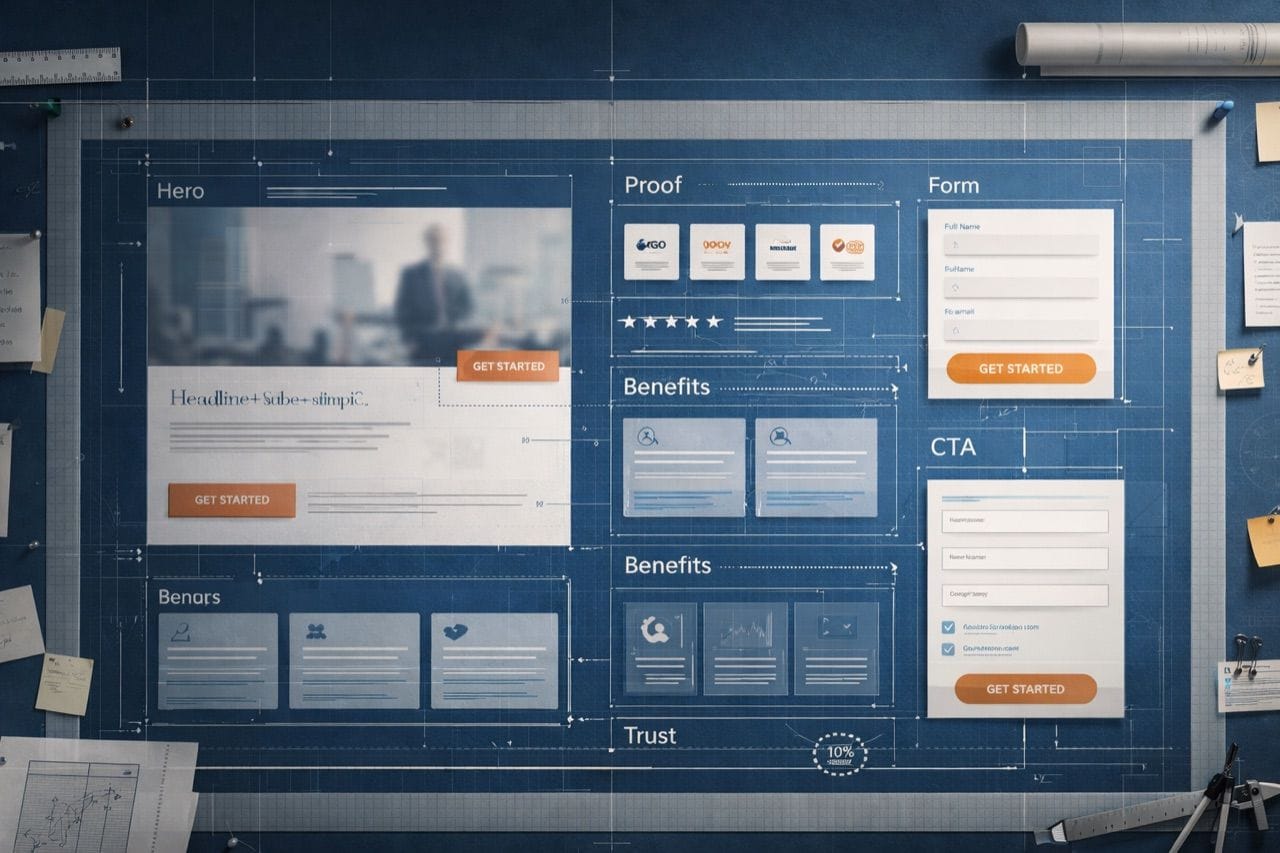
A landing page is often the first impression a potential customer has of your business. Its design can make or break your lead generation efforts. A high-converting landing page excels at clarity, usability, and persuasive design that guides users toward a specific action.
Custom landing page design allows brands to craft experiences tailored to their audience’s needs, removing friction and maximizing engagement. With the right design strategy, businesses can capture qualified leads, build trust, and create a seamless journey from first click to conversion. Experts at Ankord Media specialize in helping companies design landing pages that are not only visually compelling but also optimized for results.
Key Principles for Landing Page Design
When choosing a custom landing page design, certain principles should guide your decisions. First, clarity is critical. Every element on the page should have a clear purpose, from headlines and copy to images and buttons. Reducing clutter and highlighting the key message helps visitors understand your offer quickly.
Visual hierarchy plays a pivotal role in directing attention. Primary calls-to-action (CTAs) should stand out, supported by secondary actions that don’t distract from the main goal. Use of contrast, spacing, and typography all contribute to a logical flow that guides users toward conversion.
Credibility is another essential principle. Incorporate trust signals like testimonials, client logos, or security badges. A visually cohesive design paired with authentic social proof can significantly increase the likelihood of lead submission.
Tailoring Design to Audience and Offer
Not every landing page should look the same. The design must reflect your audience’s expectations, preferences, and the type of offer you’re presenting. For example, a B2B SaaS demo page might focus on clarity and simplicity, emphasizing form completion, while an e-commerce landing page could leverage richer visuals and product highlights.
Consider the psychological triggers that encourage conversions: urgency, exclusivity, and simplicity often resonate strongly with leads. Custom designs allow these elements to be incorporated without disrupting the overall flow or branding. By understanding user motivations and behaviors, a landing page can guide visitors naturally toward taking action.
Optimizing for Performance and Iteration
A high-performing landing page is never truly finished. Monitoring metrics such as click-through rates, form completions, and bounce rates provides insight into what’s working and what needs adjustment. Iterative testing, such as A/B testing headlines, CTAs, or layout variations, can dramatically improve conversions over time.
Responsive design is critical, ensuring that the page functions seamlessly across desktop, mobile, and tablet. Visitors who encounter a slow or broken experience are unlikely to convert, regardless of how compelling the offer or visuals are. Ankord Media helps brands optimize landing pages for both performance and design consistency, so every visitor has a smooth experience that drives results.
Design Systems and Brand Cohesion
While landing pages can be unique, they should still feel part of a cohesive brand ecosystem. Fonts, colors, and imagery should align with the company’s overall visual identity. This not only reinforces recognition but also strengthens trust.
Using a design system or established guidelines ensures new landing pages can be developed quickly without losing cohesion. This approach reduces errors, maintains professional appearance, and helps teams scale their lead generation efforts efficiently.