


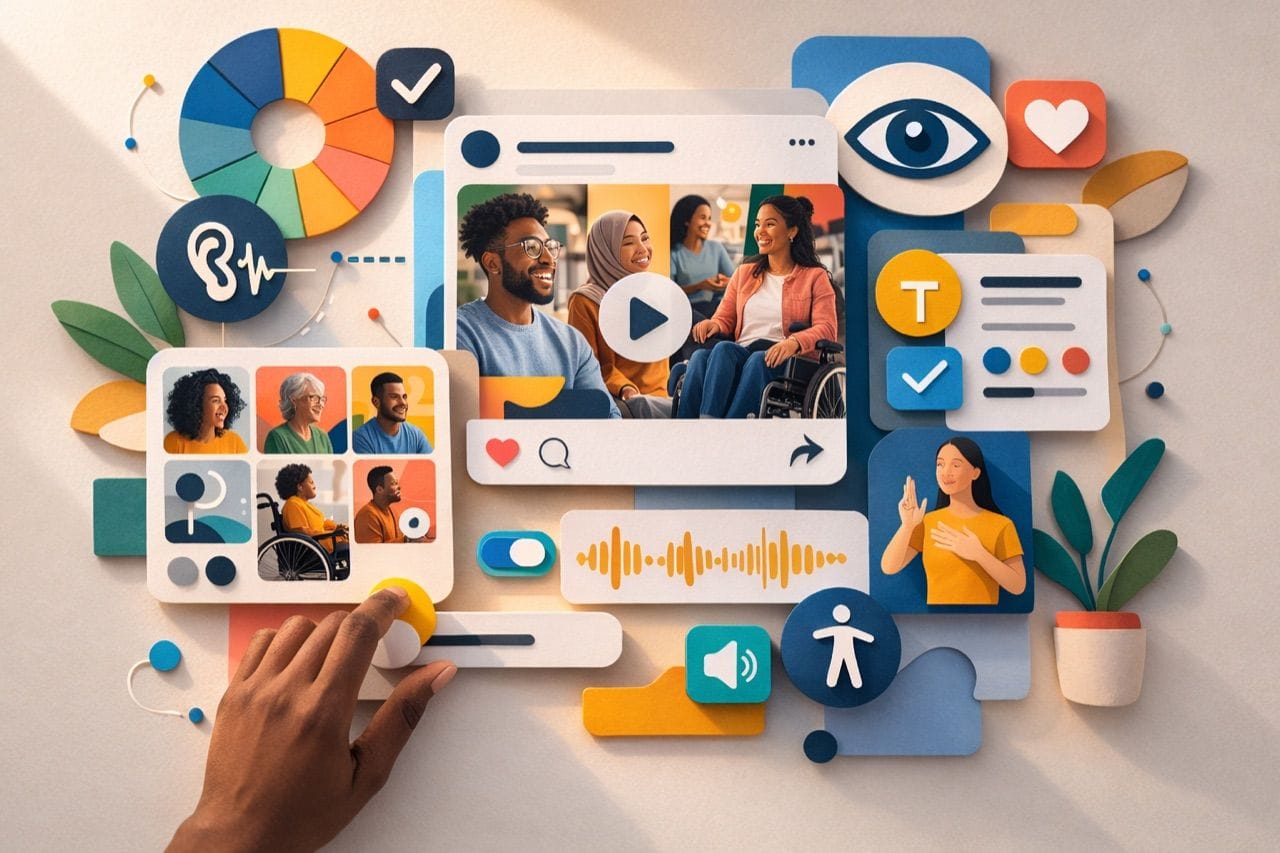
Social media is no longer just a platform for marketing. Today, it is a space where inclusivity and accessibility have become central to effective engagement. Brands that fail to consider users with disabilities, diverse language needs, or varying cultural perspectives risk alienating audiences and missing opportunities for meaningful connection. Ankord Media has worked with organizations to design social media strategies that prioritize accessibility while maintaining creativity and brand voice, ensuring that every post is inclusive and widely reachable.
Accessibility and inclusivity on social platforms extend beyond compliance with legal standards. They are about creating experiences that are genuinely usable and welcoming for everyone. This includes making content perceivable, understandable, operable, and robust for all users. Brands that embrace these principles demonstrate social responsibility, foster stronger communities, and often benefit from increased engagement, loyalty, and brand perception.
Creating Accessible Visual Content
Visual content is often the most engaging on social media, but it also presents the greatest barriers for users with disabilities. Ensuring that images, graphics, and videos are accessible requires careful planning and implementation. Ankord Media emphasizes that visual accessibility is the best path to enhancing user understanding and emotional impact for a diverse audience.
Strategies for accessible visual content:
- Alt Text for Images: Provide descriptive alternative text that conveys key information and context
- Color Contrast: Use high-contrast color combinations to enhance readability for users with visual impairments
- Readable Fonts: Select clear, legible typography, avoiding overly decorative fonts
- Closed Captions for Videos: Add captions to all video content to accommodate users who are deaf or hard of hearing
- Avoid Rapid Flickers or Flashing Elements: Prevent visual triggers for photosensitive users
These strategies ensure that users with a variety of abilities can fully experience your visual content. Alt text and captions not only improve accessibility but also enhance SEO and content discoverability. Thoughtful design choices like color contrast and legible fonts ensure that your message is effectively communicated without excluding any segment of your audience.
Accessible Writing and Language Practices
Text-based content is another area where inclusivity plays a major role. Clear, concise language allows a broader audience—including people with cognitive disabilities, non-native speakers, and those using screen readers—to engage with your messaging. Ankord Media works with social media teams to implement writing practices that balance brand personality with universal comprehensibility.
Key practices for inclusive writing:
- Plain Language: Use simple, direct wording to communicate ideas clearly
- Avoid Jargon or Acronyms: Provide definitions or explanations when specialized language is necessary
- Use Descriptive Links: Instead of “click here,” describe the destination or action
- Gender-Neutral Language: Avoid assumptions about gender. Use inclusive pronouns
- Content Structuring: Break text into digestible paragraphs with headings and bullet points
Accessible writing not only increases comprehension but also enhances engagement, making content usable for a wider audience. Including descriptive links and structured text ensures that users with assistive technologies can navigate and interact with your posts efficiently. By embracing these strategies, brands demonstrate respect and consideration for all users.
Community Engagement and Inclusive Moderation
Accessibility is about the environment in which audiences engage. Social media communities must be moderated to prevent harassment, hate speech, and microaggressions, fostering a safe and welcoming space. Ankord Media emphasizes that inclusivity extends to engagement practices, ensuring that all users feel heard and respected.
Best practices for community inclusivity:
- Inclusive Comment Moderation: Apply policies that prevent discriminatory language and harassment
- Prompt Responses: Address questions and concerns from diverse users respectfully and quickly
- Community Guidelines: Clearly communicate rules that emphasize respect and inclusivity
- Multilingual Support: Consider providing translations or responding to non-English inquiries
- Highlight Diverse Voices: Feature user-generated content that reflects a variety of perspectives and experiences
Implementing these practices encourages a healthy, inclusive community where all members feel valued. By promoting engagement strategies that account for accessibility and inclusivity, brands not only comply with ethical standards but also cultivate loyalty and trust among diverse audiences.
Technical and Platform-Specific Considerations
Each social media platform presents unique technical opportunities and challenges for accessibility. Using platform-specific features thoughtfully can significantly improve inclusivity. Ankord Media has guided brands in maximizing accessibility on Instagram, TikTok, YouTube, LinkedIn, and Facebook, ensuring that posts meet both technical standards and user expectations.
Platform-focused accessibility practices:
- Instagram: Use alt text for images, captions for Reels and Stories, and avoid color-dependent messaging
- TikTok: Provide captions, use clear audio cues, and avoid excessive visual clutter
- YouTube: Ensure all videos have closed captions, descriptive titles, and accessible thumbnails
- LinkedIn: Include alt text, structured headings, and avoid overly complex sentence structures
- Facebook: Utilize accessibility checklists provided in Creator Studio and community resources
Understanding the technical nuances of each platform allows brands to implement accessibility practices efficiently while maintaining engagement and reach. By leveraging these features, brands can ensure that their social media presence is welcoming and usable for all audiences.
Creating accessible and inclusive social media content is a dynamic process that requires continuous assessment, experimentation, and refinement. Brands must stay informed about evolving accessibility standards, emerging platform features, and community feedback to maintain an equitable presence online. Ankord Media advocates for regular audits, user testing with diverse audiences, and iterative improvements to optimize content and engagement practices.