


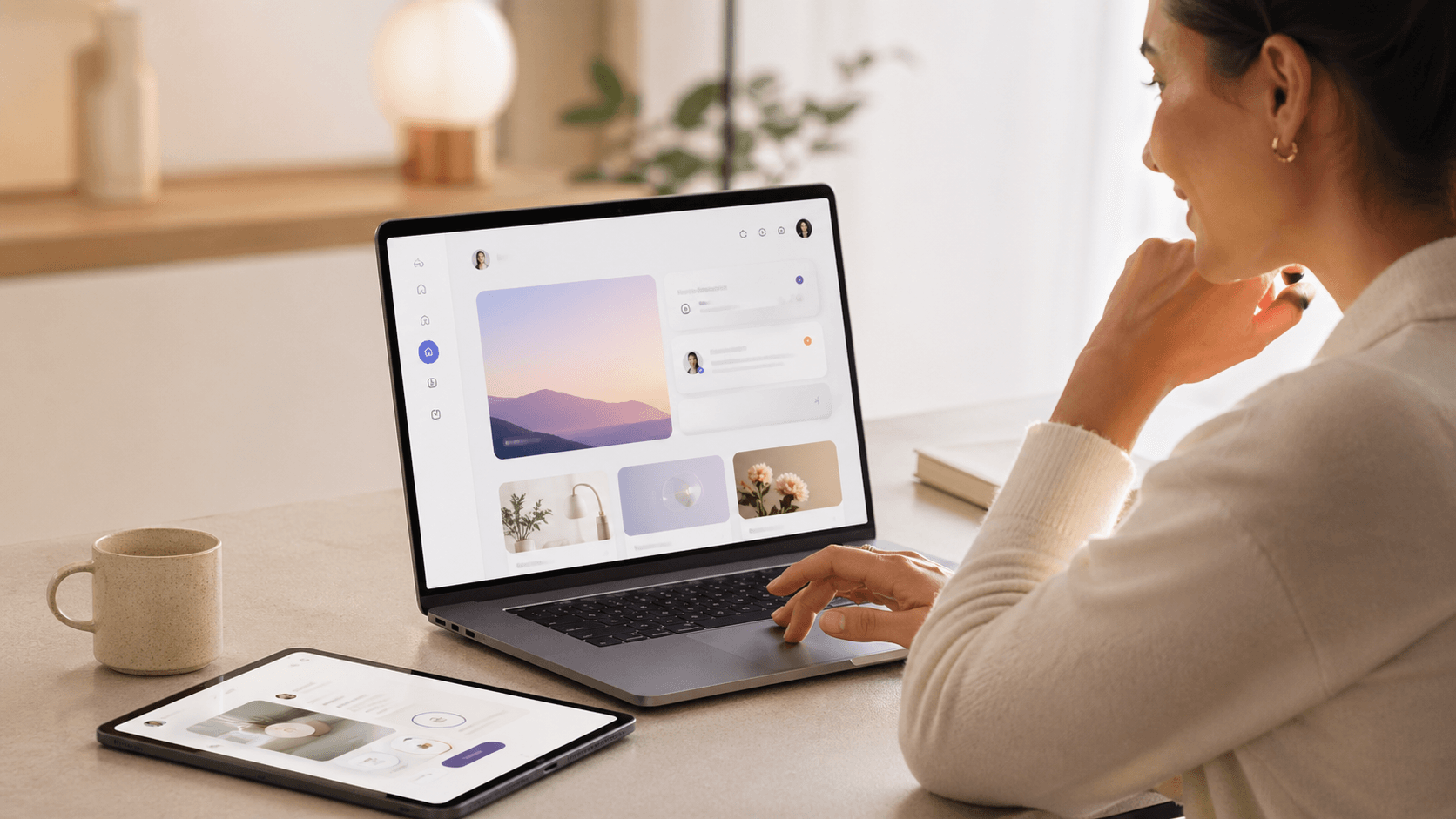
Emotional design is the practice of crafting experiences that resonate with users beyond function and utility. While usability ensures a product works, emotional design ensures users feel something when they engage with it. This emotional resonance builds loyalty, encourages repeat use, and increases the likelihood of advocacy. In competitive markets, functional parity is often high, and the difference between brands frequently comes down to how a product makes users feel.
Brands that invest in emotional design consider the entire user journey, from first impression to ongoing interaction, and identify opportunities to evoke trust, delight, or satisfaction at every touchpoint. A subtle animation, a thoughtful microcopy, or an intuitive flow can create a sense of care and intentionality that users remember. Ankord Media’s team often guides companies through this process, ensuring that emotional elements are purposeful and aligned with business objectives rather than decorative.
Understanding the Three Levels of Emotional Design
The concept of emotional design is often framed around three interconnected levels: visceral, behavioral, and reflective. Understanding and addressing each layer can transform the user experience from functional to memorable.
- Visceral Level: This is the immediate reaction to appearance, aesthetics, or presentation. Colors, shapes, typography, and imagery all contribute to visceral appeal. Users form judgments in seconds based on what they see and feel.
- Behavioral Level: Here, emotion is tied to usability and performance. Does the interface feel smooth? Are interactions intuitive? Positive behavioral experiences make users feel competent and confident.
- Reflective Level: This involves conscious reflection on the experience. Users consider whether the product aligns with their values, makes their life easier, or conveys a desirable identity. Reflective design shapes long-term loyalty and brand attachment.
By designing with all three levels in mind, teams can create experiences that resonate immediately, function seamlessly, and leave lasting impressions.
Applying Emotional Design to Enhance User Loyalty
Emotional design works best when integrated into the entire product experience rather than treated as an afterthought. Every page, screen, or interaction is an opportunity to evoke feelings that reinforce engagement.
Several strategies are particularly effective:
- Personalization: Tailoring experiences to user preferences or behaviors creates a sense of recognition and belonging.
- Microinteractions: Small animations or feedback mechanisms signal responsiveness and attention to detail.
- Narrative and Storytelling: Guiding users through a narrative helps them feel involved and invested in the product journey.
- Delightful Surprises: Thoughtful Easter eggs, progress cues, or confirmation animations enhance positive emotions.
- Consistency and Predictability: Reliable patterns reduce stress and build trust, making users feel secure in returning.
By systematically implementing these strategies, teams can transform routine interactions into emotionally meaningful experiences. Users do not just use the product. They feel connected to it.
The Business Impact of Emotional Design
Investing in emotional design has tangible benefits for customer retention and revenue. Users who feel emotionally connected to a product are more likely to engage repeatedly, explore additional features, and advocate to others. Emotional design can even reduce churn by mitigating frustration points. For example, a well-timed feedback cue or a thoughtful confirmation message can prevent negative feelings that would otherwise lead to abandonment.
Moreover, emotional resonance can differentiate products in crowded markets. When multiple competitors offer similar features, the brand that delivers a smoother, more engaging, or more satisfying emotional experience gains a distinct advantage. Thoughtful emotional design enhances perception of quality, encourages loyalty, and strengthens the overall brand image.
Working with Ankord Media helps brands identify which emotional triggers matter most for their audience and integrate them into both design and strategy. Their approach focuses on meaningful connections that scale across product lines and touchpoints.
Implementing Emotional Design Without Overcomplicating
It is easy to overdo emotional design, adding decorative elements that distract rather than connect. The key is purpose. Every design choice should serve a functional or emotional goal. For instance, a confirmation animation should reassure the user that an action succeeded. It should not simply exist as decoration.
Teams can implement emotional design through a structured approach:
- Audit current experiences for moments that evoke strong emotion, positive or negative.
- Prioritize areas where emotion can reinforce key actions or behaviors.
- Test and iterate on design elements, observing how users respond emotionally as well as functionally.
- Document design patterns that consistently create desired emotional outcomes for repeatable use.
This approach ensures that emotional design is intentional and measurable. Thoughtful integration strengthens loyalty without cluttering the interface or confusing users.
Measuring Success in Emotional Design
Emotional impact can feel intangible, but there are practical indicators. Engagement metrics such as repeat visits, feature usage, time on page, and conversion rates can reflect how well the design resonates. User feedback, surveys, and observational testing reveal satisfaction, frustration, and delight. The combination of quantitative and qualitative data helps teams refine emotional design elements over time.
Brands that consistently optimize emotional design often report not only improved retention but also more vocal advocacy. Satisfied users share their experiences, creating organic growth and reinforcing the emotional connection. This multiplier effect can be especially valuable for startups and scaling companies looking to build a loyal customer base quickly.